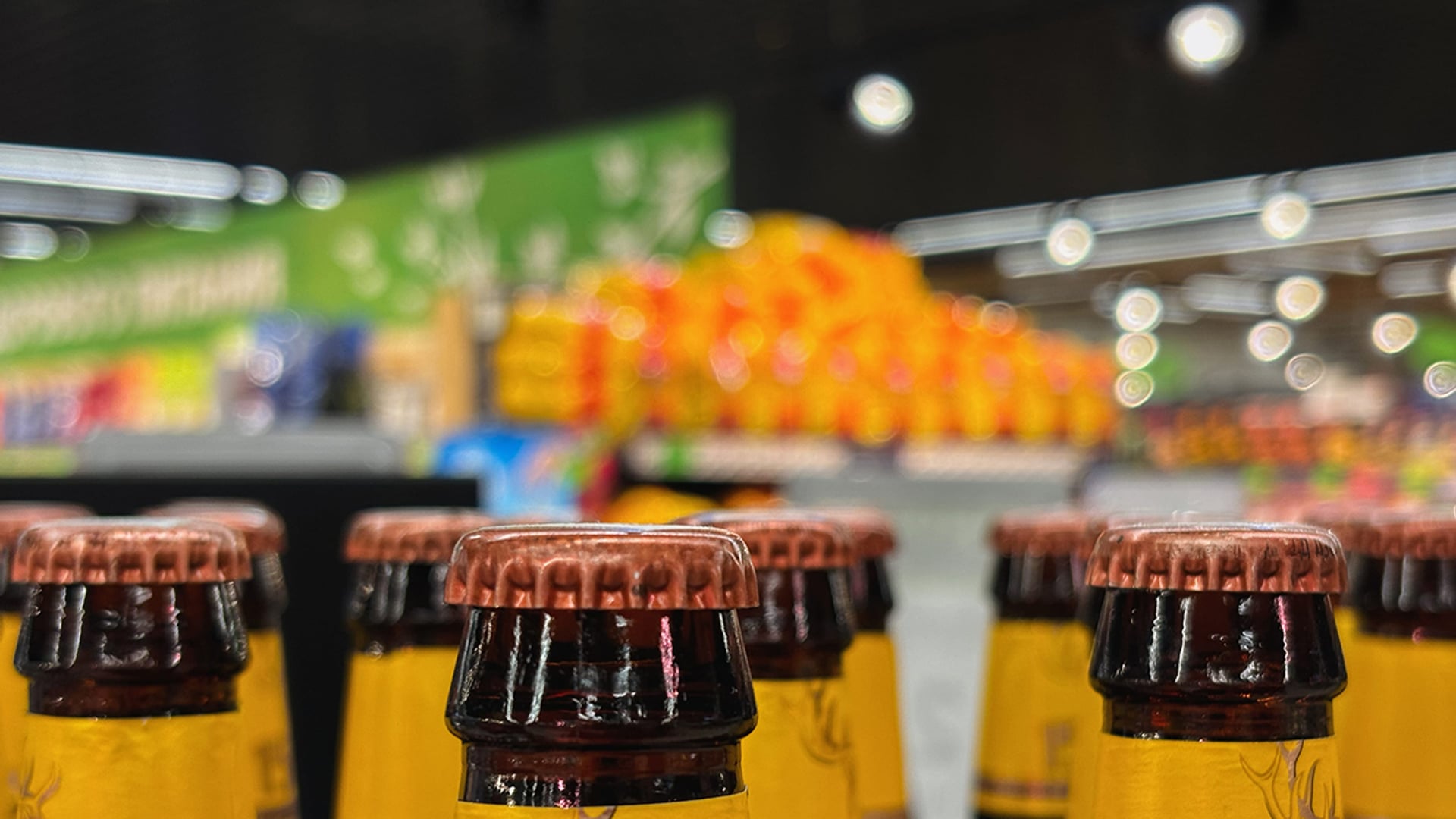
Dutch Beer Sales Plummet as Consumers Flock to Germany and Belgium
Driven by escalating excise taxes, Dutch consumers are increasingly purchasing beer and non-alcoholic alternatives in Germany and Belgium, precipitating a sharp sales contraction in domestic border municipalities. Market research firm Circana, reporting data commissioned by trade association Nederlandse Brouwers, reveals that retail volumes in border zones have dropped significantly faster than the national average since policy shifts enacted in 2024.
Quantifying the Cross-Border Volume Drain
Geographic proximity to international borders dictates the severity of the retail slump. According to data published by market research firm Circana and highlighted by industry platforms such as Biernet.nl, beer sales in Dutch border regions declined by an additional 4 percentage points compared to the rest of the country following the 2024 excise duty hike. Municipalities located within five kilometer strips adjacent to the frontier experience the most pronounced leakage.
The divergence is starkest along the eastern frontier. Retail data shows sales volumes near the German border dropped nearly 5 percentage points faster than the national baseline. Along the Belgian border, the differential registered at nearly 2 percentage points. This regional underperformance persisted over the subsequent year, with border sales falling an extra 1.4 percentage points nationwide, and 2 percentage points near Germany specifically.
Across the entire domestic market, alcohol-containing beer sales contracted by 2.8 percent in the first half of 2026 compared to the same period in 2025. Measured against 2024 volumes, the market shrank by 5.3 percent. Non-alcoholic beer segments are experiencing similar headwinds; consumption growth in border zones lags behind national trends following the tripling of the consumption tax on non-alcoholic beverages in 2024, most noticeably near Germany.
The Fiscal Mechanics of Cross-Border Arbitrage
Price differentials between the Netherlands and its neighbors create powerful economic incentives for consumer migration. Fred Teeven, chairman of Nederlandse Brouwers, points to stark contrasts in statutory tax burdens. Germany levies excise duties that range from four to nine times lower than Dutch rates. Meanwhile, Belgian tax levels sit approximately 50 percent below the Dutch tariff structure.
These disparities damage domestic supply chains across multiple tiers. Independent grocers, hospitality venues, and regional breweries absorb the volume losses while the Dutch national treasury forfeits anticipated tax receipts. Instead, German and Belgian tax authorities capture the excise revenue generated by Dutch shoppers.
Diverging Tax Policies Threaten 2027 Projections
The regulatory outlook threatens to widen existing commercial divides. The Dutch cabinet plans to implement another excise tax increase on beer in 2027. Conversely, neighboring jurisdictions are moving in the opposite direction. The German government has elected to exempt beer from proposed broader alcohol tax increases, while Belgian policymakers are actively exploring excise reductions to counter their own cross-border leakage toward France and Luxembourg.

Industry stakeholders warn that compounding domestic tax escalations will accelerate consumer migration.