
Does Dry Needling Really Work? Here’s What the Science Says.
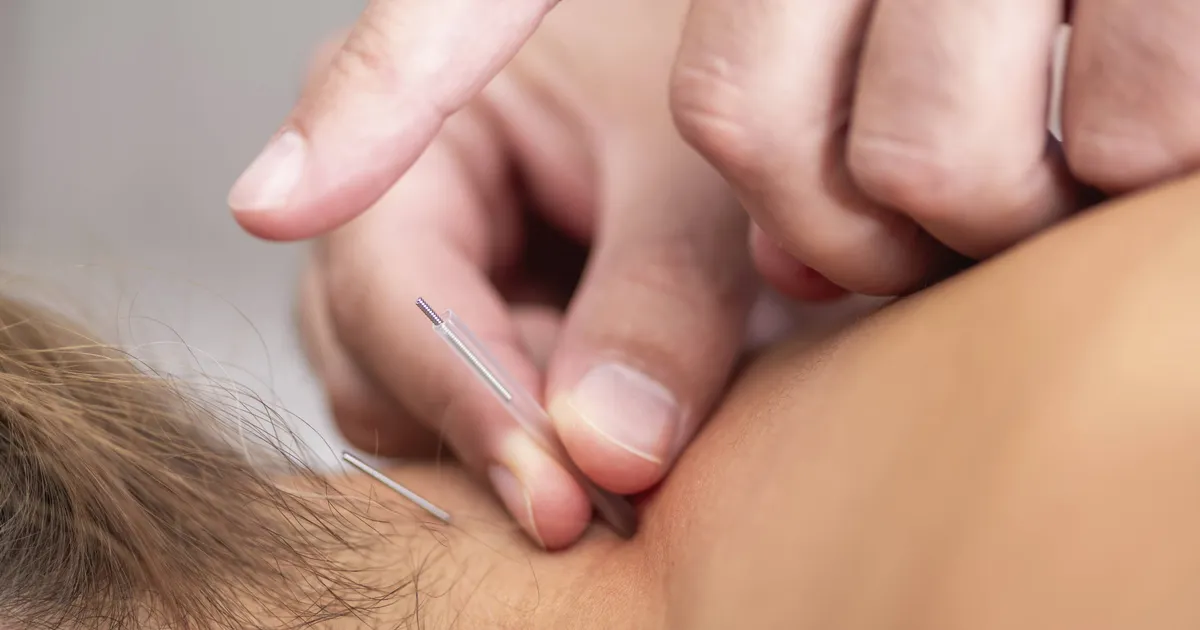
Dry needling, a therapy involving the insertion of thin, dry needles into muscle “knots” to relieve pain, is gaining popularity with physiotherapists. But is it truly effective? Recent research offers a nuanced picture.
Several studies point to short-term benefits,especially when combined with other treatments. A comprehensive systematic review and meta-analysis focusing on patients with chronic low back pain (LBP) found that dry needling did provide short-term pain relief in the initial weeks following treatment. However, the review showed no evidence of advancement in movement function or reduction of limitations during that same period. (https://pubmed.ncbi.nlm.nih.gov/36399082)
Research specifically examining myofascial trigger points suggests dry needling can also be effective in the short term for pain reduction, improved freedom of movement, and enhanced quality of life, when compared to no treatment or a placebo. (https://pubmed.ncbi.nlm.nih.gov/28735825) Though, evidence regarding long-term effects – such as sustained pain relief, improved sleep quality, or reduced reliance on painkillers – remains limited.
A meta-analysis investigating dry needling for general musculoskeletal complaints (muscle and joint pain) performed by physiotherapists revealed similar findings. It showed dry needling outperformed no treatment or placebo in relieving pain and increasing pain thresholds for up to 12 weeks. (https://pubmed.ncbi.nlm.nih.gov/28158962) Importantly, functional improvements were only important when compared to no treatment or a placebo, not when compared to other established therapies like manual therapy or exercise.In summary:
Short-Term Pain Relief: Multiple high-quality studies demonstrate that dry needling can quickly reduce pain, especially when used alongside other therapies.
Limited Long-Term Evidence: Effects on functional recovery, sleep, or overall quality of life are less clear, and robust long-term studies are scarce.
* Not Always Superior: While dry needling can be helpful for some conditions, it isn’t consistently more effective than choice treatments like manual therapy or exercise therapy.
Conclusion:
Dry needling appears to be a valuable option for short-term relief of muscle tension and trigger points. However, it’s not a cure-all. A combined approach with other treatments, and a thorough discussion with your physiotherapist or doctor, is recommended.
