Drug Burns Calories Without Activating Brown Fat, Study Finds
Researchers at the University of Basel and University Hospital Basel have discovered that a drug can increase energy expenditure in humans without stimulating brown fat, a finding that challenges conventional understanding of metabolism.
The study, published in Cell Metabolism, compared the effects of mild cold exposure with fenoterol—a beta2 adrenergic receptor agonist—in 11 healthy volunteers.
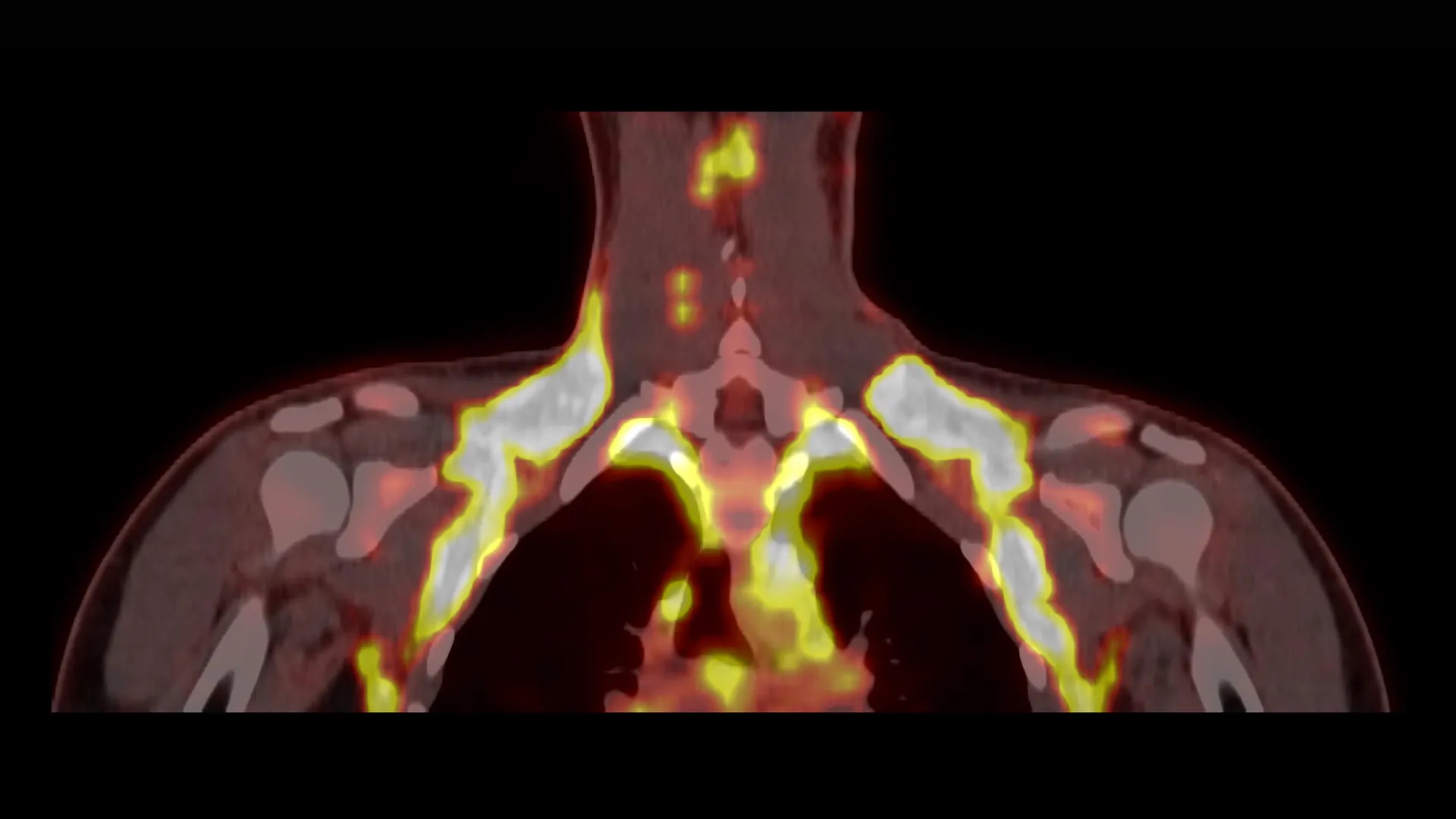
Both interventions raised calorie burning, but PET/CT scans revealed a critical difference. Only cold exposure triggered significant glucose uptake in brown adipose tissue, the body’s primary heat-generating fat. “We were surprised that energy expenditure increased strongly with fenoterol even though we could not detect a comparable activation of brown fat,” said Professor Matthias Betz, who led the research team. “Our study shows that an increase in energy expenditure does not automatically mean that brown fat has been activated.”
The source of the additional energy consumption remains unknown.
The researchers suspect fenoterol may increase energy use in other tissues, such as skeletal muscle or white fat. Analysis of human tissue suggests fully activating brown fat may require combined action of multiple receptors or signals rather than stimulating a single receptor.
Current weight loss medications work primarily by reducing appetite.
As people lose weight, the body often compensates by burning fewer calories, a metabolic adaptation that can stall progress. Betz said a treatment combining appetite reduction with increased energy expenditure could counteract this effect. “Ideally, we could combine a reduction in appetite with an increase in energy expenditure,” Betz said. “But first we need a better understanding of how brown adipose tissue is regulated.”