
Dresden’s Carolabrücke: Plans to Consider Arch Design & Public Input
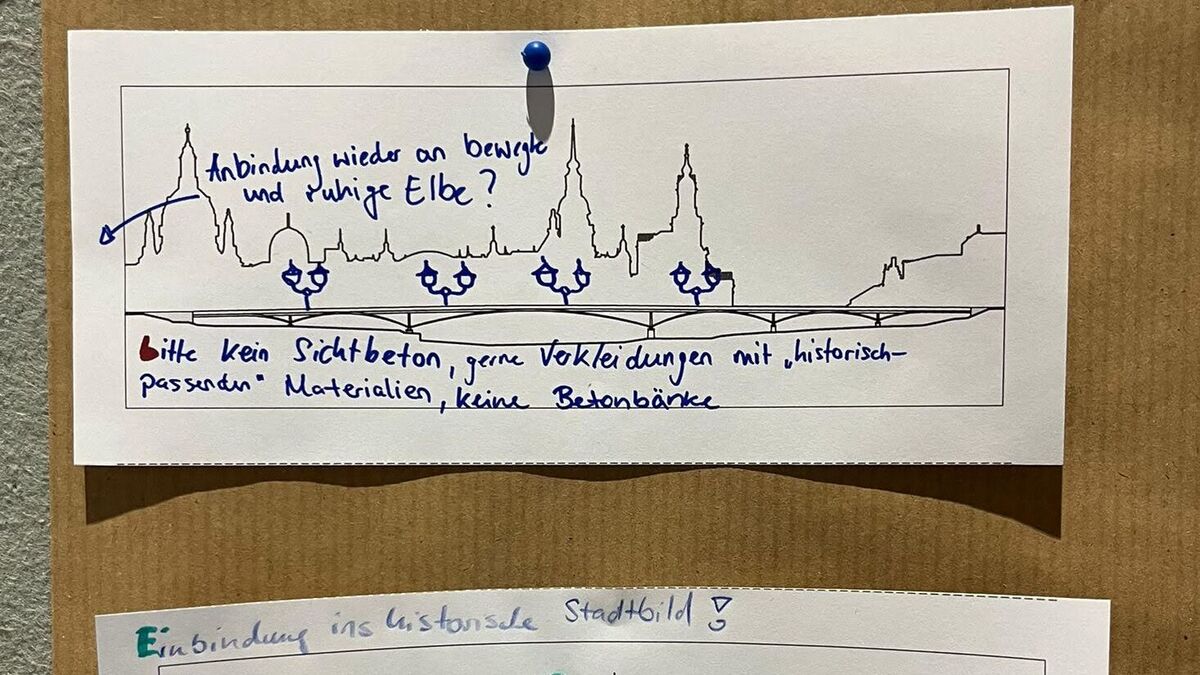
Dresden city planners are officially considering a historic arch design for the replacement Carolabrücke following sustained citizen pressure. This shift aims to reconcile modern traffic requirements with the aesthetic integrity of the old town. The decision impacts regional infrastructure budgets and heritage compliance laws across Saxony. Four planning offices will reveal concrete proposals by late May 2026.
Infrastructure projects often stall when engineering meets memory. In Dresden, that collision is happening right now over the Elbe River. The city stands at a crossroads. They can build a functional crossing that ignores the past. Or they can attempt to weave the latest into the old. The latest signals suggest the latter is gaining ground.
For months, the debate simmered. Now, it has boiled over into actionable planning directives. The desire for an arch bridge is no longer just nostalgia. It is a formal requirement being weighed against structural realities. This is not merely about aesthetics. It is about how a city defines its future identity through concrete and steel.
The Shadow of the 1895 Original
The original Carolabrücke stood as a testament to late 19th-century engineering. Destroyed during the Second World War, its replacement has long been a point of contention. The current structure serves a vital traffic function. Yet, it lacks the visual harmony demanded by the historic skyline. Planners are now tasked with a difficult equation. They must match the 1895 silhouette while meeting 2026 safety standards.
This creates a complex regulatory environment. Any new design must pass rigorous scrutiny under state heritage protection laws. The tension lies in the details. An arch bridge demands different foundational support than a beam structure. This affects river flow, flood protection, and nearby embankments. City of Dresden Urban Planning Department guidelines emphasize that visual integration cannot compromise hydraulic safety.
Local businesses worry about construction timelines. A more complex design often means a longer build. Delays translate to lost revenue for the shops lining the historic center. Yet, a bland structure could depress tourism appeal long-term. The economic calculus is delicate. Stakeholders are weighing immediate disruption against permanent visual legacy.
“We cannot plan over the heads of the citizens. This is a generation-defining decision that requires societal backing to succeed.”
That sentiment echoes through the planning offices. It is not just about building a bridge. It is about building trust. The State of Saxony Ministry of Regional Development has noted that community buy-in is critical for funding approval. Without it, projects risk legal challenges that can halt construction for years.
Bridging the Gap Between Vision and Compliance
The Initiative Carolabrücke has welcomed the planners’ willingness to listen. They argue that a deep engagement with the arch form is necessary. It is not enough to slap a decorative arch onto a modern frame. The structural logic must follow the visual promise. This requires specialized expertise. General contractors often lack the nuance needed for heritage-sensitive infrastructure.
Developers and municipal bodies facing similar challenges often seek external counsel. Navigating the penalties of non-compliance is a logistical minefield. Municipalities are consulting top-tier heritage law attorneys to shield their assets from litigation. Ensuring that every permit aligns with state conservation codes is the first step toward breaking ground.
the technical demands are high. An arch bridge distributes weight differently. It requires precise calculation of load-bearing capacities. The soil composition along the Elbe adds another layer of complexity. Engineers must account for flood risks that have increased in recent decades. Climate change models suggest higher water levels. The bridge must survive not just today’s weather, but tomorrow’s storms.
To manage these risks, project leads are vetting structural engineering consultants with specific experience in historic replication. These experts bridge the gap between modern materials and historical forms. They ensure that the steel and concrete perform as expected without violating visual mandates.
The May Deadline and Economic Implications
Time is becoming a constraint. The four planning offices involved have until the end of May to present concrete designs. This deadline is firm. Public presentation follows shortly after. Once the designs are public, the real scrutiny begins. Citizens will compare the proposals against the 1895 benchmark. They will judge the traffic flow models. They will assess the cost estimates.
Budget overruns are the silent killer of such projects. An arch design typically costs more than a standard beam bridge. The curvature requires more material and complex fabrication. Taxpayers will demand transparency. They seek to understand where every euro is going. Financial oversight becomes as important as architectural vision.
Regional economies depend on reliable infrastructure. If the bridge closes for extended repairs during construction, traffic diverts through narrow city streets. Congestion increases. Emissions rise. Local logistics companies face delays. To mitigate this, urban planners are coordinating with civic organizations to manage traffic flow during the transition. Communication strategies are being drafted to maintain commuters informed.
The Associated Press has tracked similar infrastructure debates across Europe. The trend is clear. Communities are rejecting purely functional designs in favor of those that honor local history. Dresden is following this pattern. They are prioritizing cultural continuity alongside utility.
A Generation-Defining Choice
The stakes extend beyond Dresden. This project sets a precedent for how German cities handle post-war reconstruction gaps. It tests the limits of public-private partnership. It challenges the notion that modern efficiency must sacrifice beauty. The outcome will be studied by urban planners globally.
Success depends on execution. A beautiful design that fails structurally is a monument to waste. A sturdy bridge that uglifies the skyline is a scar on the city. The balance is narrow. It requires constant vigilance from oversight committees. It demands transparency from the planning bureaus.
As the May deadline approaches, the pressure will mount. The designs will be picked apart. The costs will be analyzed. The history will be debated. But the goal remains static. To build a crossing that serves the people of today while respecting the ghosts of yesterday.
For those monitoring this development, the lesson is clear. Complex infrastructure requires complex support networks. Whether you are a municipal leader or a private developer, finding the right partners is the only way to navigate the turbulence. The World Today News Directory remains committed to tracking these shifts. We connect you with the verified professionals equipped to handle these developing stories before the concrete sets.