
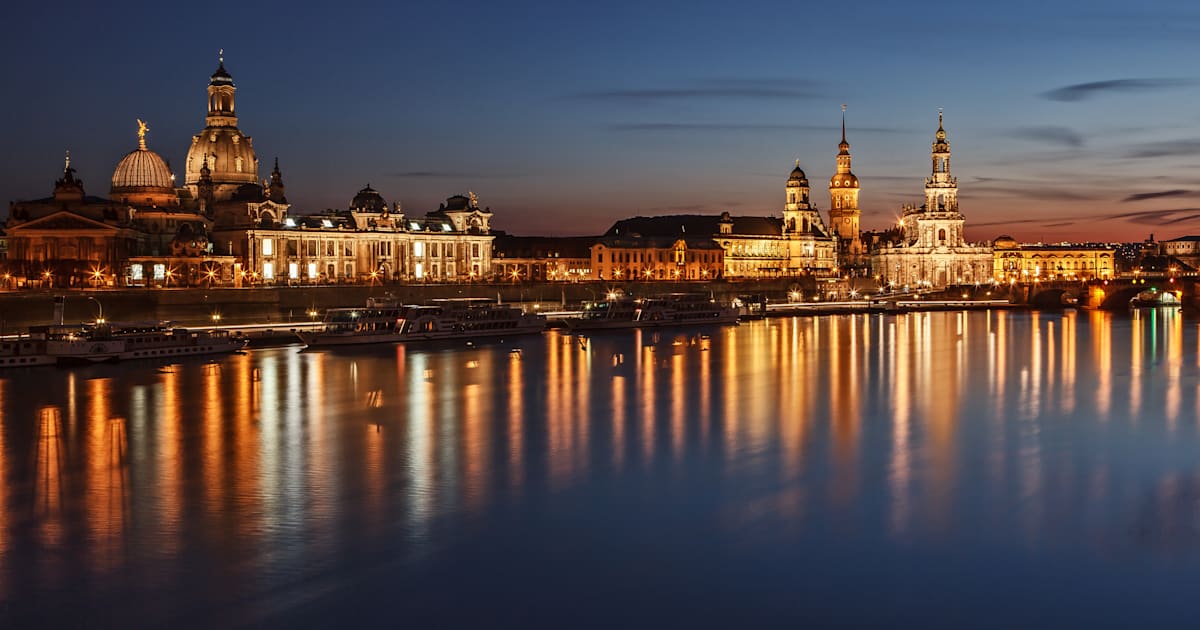
A meticulously crafted porcelain frieze depicting Saxon rulers and their history, known as the Fürstenzug, continues to draw visitors to Dresden’s Augustusstraße. The 102-meter-long artwork, composed of approximately 23,000 Meissen porcelain tiles, portrays 35 Wettin dynasty members on horseback, alongside figures representing various societal classes.
Originally conceived in the 19th century as a replacement for a deteriorating Kalkfarbenmalerei on the Stallhof’s exterior wall, the Fürstenzug’s initial design was drafted by historian painter Wilhelm Walther between 1868 and 1872. Walther’s detailed charcoal sketches, spanning 100 meters and four meters in height, are now preserved in the Staatlichen Kunstsammlungen Dresden. The initial execution, however, utilized the Sgraffito technique – a form of plaster scratching – and took place between 1873 and 1876.
Concerns over the Sgraffito’s vulnerability to weathering prompted a significant transformation between 1904 and 1907. The artwork was painstakingly transferred onto Meissen porcelain tiles, ensuring its longevity and establishing it as the world’s largest porcelain mural. The tiled version was affixed to the outer wall of the Stallhof, adjacent to the Residenzschloss.
The Fürstenzug isn’t merely a display of rulers; it incorporates 59 additional figures, including scientists, artists, craftsmen, and farmers, offering a broader representation of Saxon society. Each figure is rendered with historical accuracy in terms of clothing, weaponry, and tools. The names of the depicted rulers are inscribed directly beneath their images.
The Stallhof itself, where the Fürstenzug is located, has a rich history. In the medieval period, it hosted knightly games and equestrian tournaments. Today, the courtyard, situated between the Johanneum and the Langen Gang, serves as a venue for cultural events. During the winter months, the Stallhof hosts the “Stallhöfischen Adventsspektakel,” a medieval-themed Christmas market.
Guided tours are available, providing insights into the historical figures represented on the Fürstenzug and the artistic techniques employed in its creation. The artwork’s location on the Augustusstraße, near the Frauenkirche, makes it a central feature of Dresden’s Altstadt.
