
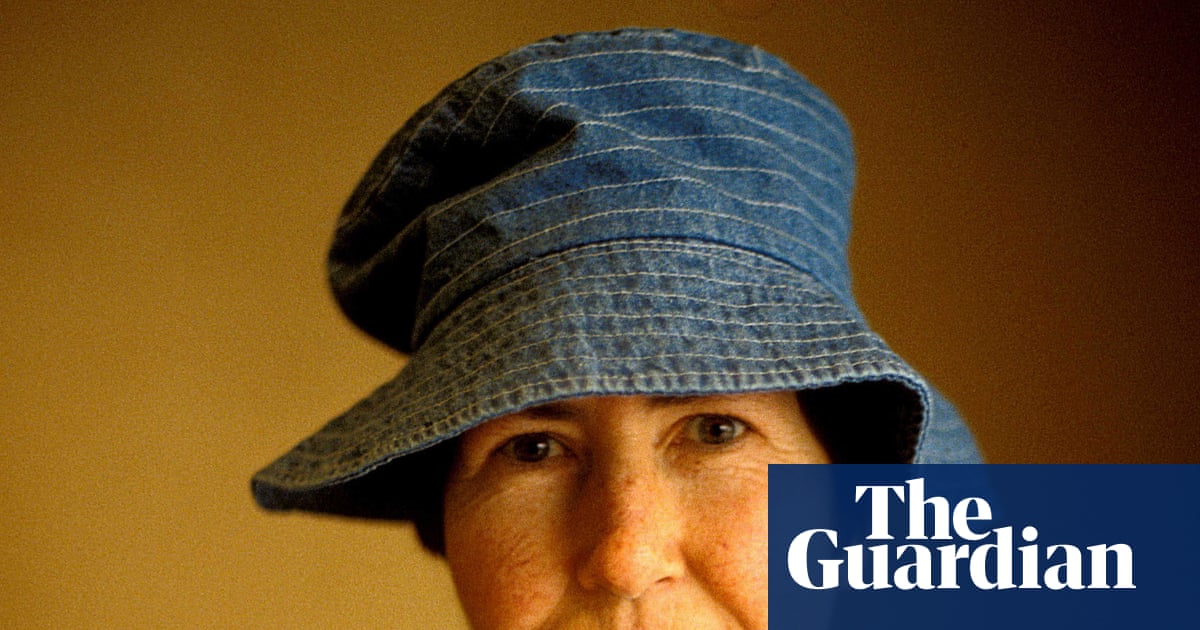
Rosalind Belben’s “Dreaming of Dead People” Offers Unflinching Self-Portrait
Novel Explores Life’s Complexities Through a Unique Autofictional Lens
Rosalind Belben’s 1979 novel, “Dreaming of Dead People,” is a potent early example of autofiction. The book delves into the consciousness of its narrator, Lavinia, mirroring Belben’s own life at the time of writing.
A Life Unfolding in Distinct Chapters
The novel presents a fragmented yet cohesive exploration of human experience. Its six disparate sections, including a sojourn in Venice, reflections on solitary pleasure, a dog’s final moments, and a vivid erotic fantasy, initially seem unconnected. However, upon rereading, these elements coalesce, revealing a profoundly honest portrayal of a singular mind.
Venetian Vignettes and Inner Turmoil
The opening section, “At Torcello,” finds Lavinia on a Venetian island, drawn by a Byzantine mosaic of the Virgin Mary. Her observations of the surroundings—a pregnant dog, a “miserable rat”—and her introspective commentary reveal a complex inner world. Belben’s distinctive prose, marked by angular syntax and strategic ellipses, compels readers to engage deeply with Lavinia’s thoughts and feelings.
“In that sour and barren place, a spinster, who did not wish for the dry, un-rustling grass. I weep with mortification. Yet I was extremely happy.”
—Rosalind Belben, Dreaming of Dead People
Lavinia grapples with significant regrets, particularly her lack of sexual experience for a decade following her mother’s prolonged illness. In the 1970s, societal expectations meant that at 36, her unmarried status carried a different weight. Despite this, she expresses a remarkable lack of shame, noting, “I have woken sopping and swollen, with a devil to suppress between my legs.”
Fearless Confrontation of Life’s Difficulties
The novel confronts profound themes with remarkable courage. Death, aging, anorgasmia, loneliness, despair, and madness are all explored. Lavinia’s journey includes discovering masturbation with an electric toothbrush, a detail that underscores the book’s raw honesty.
Fantasy and Reality Intertwined
A striking shift occurs with the Robin Hood section. As a child, Lavinia found solace in the myth of the outlaw and stories of children living in nature. This fantasy is reimagined as a sensual and humorous account of a sexual encounter, depicting sexuality as pure and natural. This episode contributes to what might be termed Lavinia’s “love map,” reflecting her understanding of desire.
Illuminating Echoes and Generational Divides
The narrative unfolds like an Adam Curtis documentary, with recurring images and memories obliquely shedding light on each other. Lavinia’s complex relationship with her mother, her deep affection for animals, and her views on mortality and urban life are revealed. Her schooling and her profound connection with the natural world are also central. She envisions a daughter, “Jessie,” but acknowledges the vastly different upbringing she would likely have, lamenting, “She would reckon a Forestry Commission plantation is a nice wood to walk in … she wouldn’t have a clue about apples, how to pick them, how to store them: or pears.”
Through Lavinia, Belben examines the inevitable gap between generations and the relentless march of time. “I am worried that Jessie won’t read,”
she writes, expressing a deep-seated concern about the potential loss of literary engagement. This sentiment resonates in an era where digital distractions are ever-present; a 2023 Pew Research Center study indicated that 37% of Americans aged 18-29 reported not having read a book in the past year.Source
A Hauntingly Beautiful Conclusion
The novel concludes with an impressionistic yet meticulously structured stream of consciousness, exploring aging, mortality, and inner resilience. This powerful testament, particularly from a writer in her mid-30s at the time of publication, is likened to the works of Virginia Woolf. Belben, as Lavinia, reflects, “There comes a time for making peace with oneself… Life as I have known it is ending. I am drying up… I am saying: here is a life, what do you make of it. And trying not to mind that you turn aside.”
