
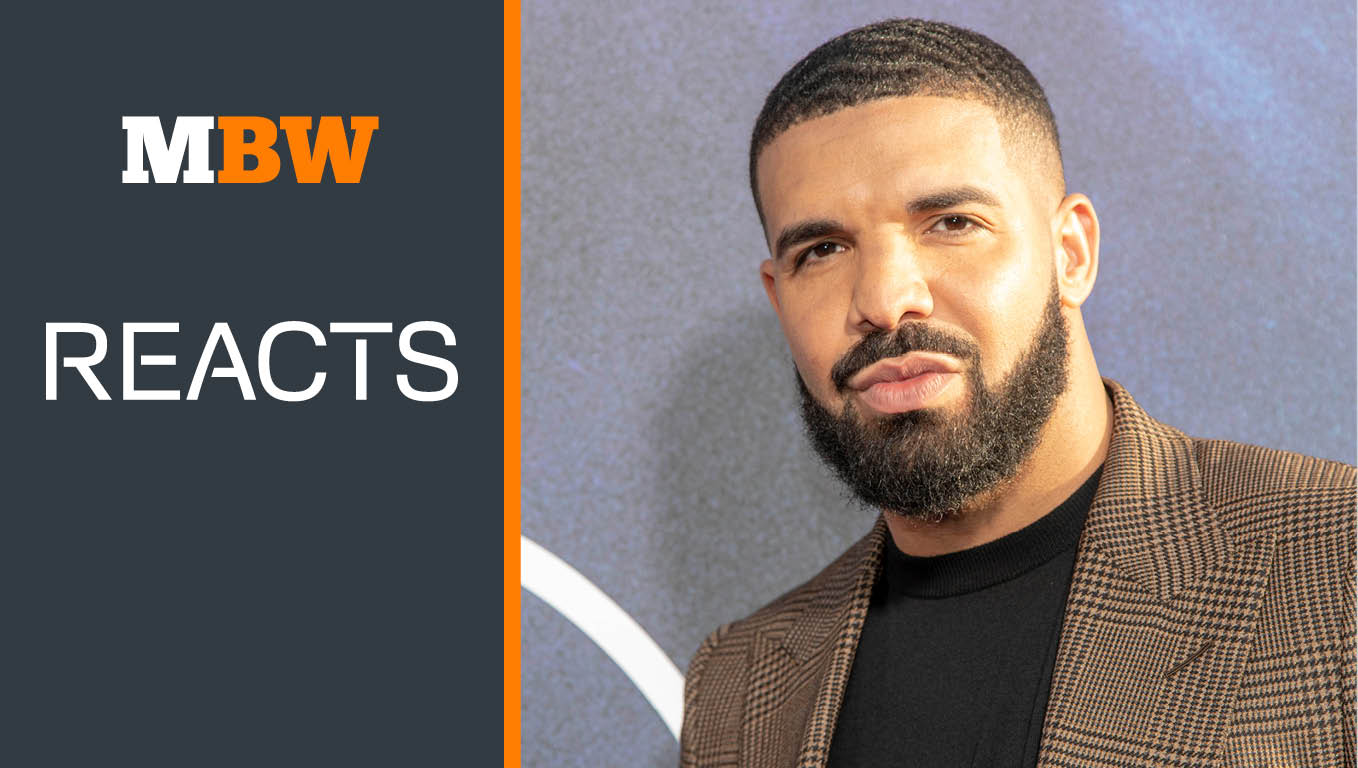
Drake vs. UMG: Label Argues Rapper ‘Goaded’ Kendrick Lamar Diss Track & More Key Filing Details
Universal Music Group has filed an 83-page response brief urging the Second Circuit to affirm the dismissal of Drake’s defamation lawsuit over Kendrick Lamar’s “Not Like Us.” UMG argues the track constitutes protected artistic opinion, claiming Drake provoked the lyrics using AI-generated voices and that subsequent performances, including the Super Bowl, do not constitute novel defamation.
The legal skirmish between hip-hop’s biggest titan and its most critical conscience has moved from the court of public opinion to the cold, hard file cabinets of the Second Circuit Court of Appeals. It is late March 2026, and while the industry breathes a sigh of relief as the Q1 earnings season stabilizes, the fallout from the 2024 “beef of the century” continues to generate billable hours. Universal Music Group (UMG) has officially fired back at Drake’s appeal, dismantling the rapper’s attempt to resurrect his defamation case regarding Kendrick Lamar’s chart-topping diss track, Not Like Us.
This isn’t just about bruised egos or streaming numbers; it is a foundational test case for how the legal system interprets hyperbole in the digital age. For the intellectual property attorneys and crisis communication firms watching from the sidelines, this brief offers a masterclass in defending artistic expression against corporate liability. UMG’s strategy is aggressive, leveraging the very culture Drake claims to protect to shield the label from damages.
The AI Provocation: A Legal Precedent in the Making
The most explosive element of UMG’s 83-page filing is the assertion that Drake essentially wrote the lyrics he is now suing over. The brief details how Drake utilized AI-generated voices of Tupac Shakur and Snoop Dogg in his track Taylor Made Freestyle to explicitly taunt Lamar. According to the filing, the AI-Tupac voice encouraged Lamar to “Talk about [Drake] likin’ young girls,” a lyric that later appeared in Lamar’s response.
This argument shifts the liability landscape significantly. By framing the diss track as a direct response to an AI-mediated provocation, UMG is arguing that the context was manufactured by the plaintiff. This creates a complex web for digital rights specialists. If an artist uses synthetic media to incite a response, can they later claim defamation when that response mirrors the incitement? UMG thinks not. They argue Drake “goaded” Lamar into the very content he now deems actionable, a defense that could set a massive precedent for future disputes involving generative AI in music production.
“A rap diss track signals—if not shouts—opinion not fact. It is the quintessence of an art form expected to contain considerable hyperbole, speculation, and diversified forms of expression.”
Context is King: The “Rap Battle” Defense
UMG’s legal team leans heavily on the cultural context of the “rap battle,” a genre convention dating back to the 1970s. The brief posits that within this specific ecosystem, accusations are understood by the audience as competitive posturing rather than factual assertions. What we have is a critical distinction for reputation management firms. The defense argues that Drake is attempting to strip words from their context to deem them defamation, ignoring the “infamous rap battle” framework that governed the release.
UMG highlights a stark hypocrisy in Drake’s legal positioning. The brief notes that in November 2022, Drake signed a petition criticizing prosecutors who use rap lyrics as evidence in criminal cases, arguing that such usage criminalizes Black creativity. Yet, in this civil suit, Drake’s team argues that rap lyrics can convey factual assertions worthy of legal scrutiny. UMG’s brief describes this flip-flop as “nonsensical” and “astoundingly hypocritical.” It is a rhetorical checkmate that underscores the difficulty of navigating entertainment law when cultural norms clash with statutory definitions of harm.
The Republication Myth: Super Bowl and Market Harm
Perhaps the most financially significant argument involves the concept of “republication.” Drake’s appeal hinged on the idea that UMG republished the defamatory lyrics to new audiences during high-profile events like the Super Bowl Halftime Display and the Democratic National Convention, thereby expanding the pool of potential victims who lacked the “rap battle context.”
UMG shuts this down with data. The brief points out that Not Like Us generated a record-breaking 13 million streams in its first 24 hours, reaching ubiquity almost instantly. The argument that a Super Bowl performance reached a “new” audience is dismissed as meritless when the song had already saturated the cultural ether. UMG notes that at the DNC, only the hook (“they not like us”) was played, excising the specific lyrics Drake claims are defamatory.
Regarding the Super Bowl, UMG argues the media frenzy surrounding the performance actually heightened audience awareness of the feud, reinforcing the “opinion” context rather than diluting it. Lamar himself referenced the lawsuit during the halftime show, telling the crowd, “I wish to play their favorite song… but you know they love to sue.” This meta-commentary further cements the track’s status as part of an ongoing public dispute rather than a standalone factual claim.
Industry Implications: What So for the Business
Beyond the specific lyrics, this case highlights the volatility of managing legacy IP in a modern content ecosystem. The brief likewise addresses Drake’s initial claim that UMG used bots to inflate streams—an allegation Drake withdrew after UMG issued a Rule 11 warning. This procedural history suggests a litigation strategy that may have been overly aggressive from the start, potentially exposing the plaintiff to sanctions.
For the broader industry, the takeaway is clear: context is the ultimate shield. As one senior entertainment attorney not involved in the case noted regarding the filing:
“The UMG brief effectively argues that you cannot invite a knife fight and then sue for stabbing when you obtain cut. By anchoring the defense in the specific subcultural norms of hip-hop and the timeline of AI provocation, they are making it nearly impossible for a generalist judge to find actionable defamation without redefining the art form itself.”
As the Second Circuit reviews these arguments, the stakes extend beyond Drake’s reputation. A ruling in favor of UMG reinforces the protection of artistic hyperbole, safeguarding labels and artists from liability when engaging in competitive cultural discourse. Conversely, a ruling for Drake could chill creative expression, forcing talent agencies and legal teams to vet every bar of a diss track for factual accuracy before clearance.
The music business is often described as a war, but usually, that is a metaphor. In this instance, the trenches are real, dug deep within the federal court system. Whether Drake can convince the appeals court that a diss track is a statement of fact remains to be seen, but UMG has made it clear: they are ready to fight for the soul of the genre, one brief at a time.
Disclaimer: The views and cultural analyses presented in this article are for informational and entertainment purposes only. Information regarding legal disputes or financial data is based on available public records.