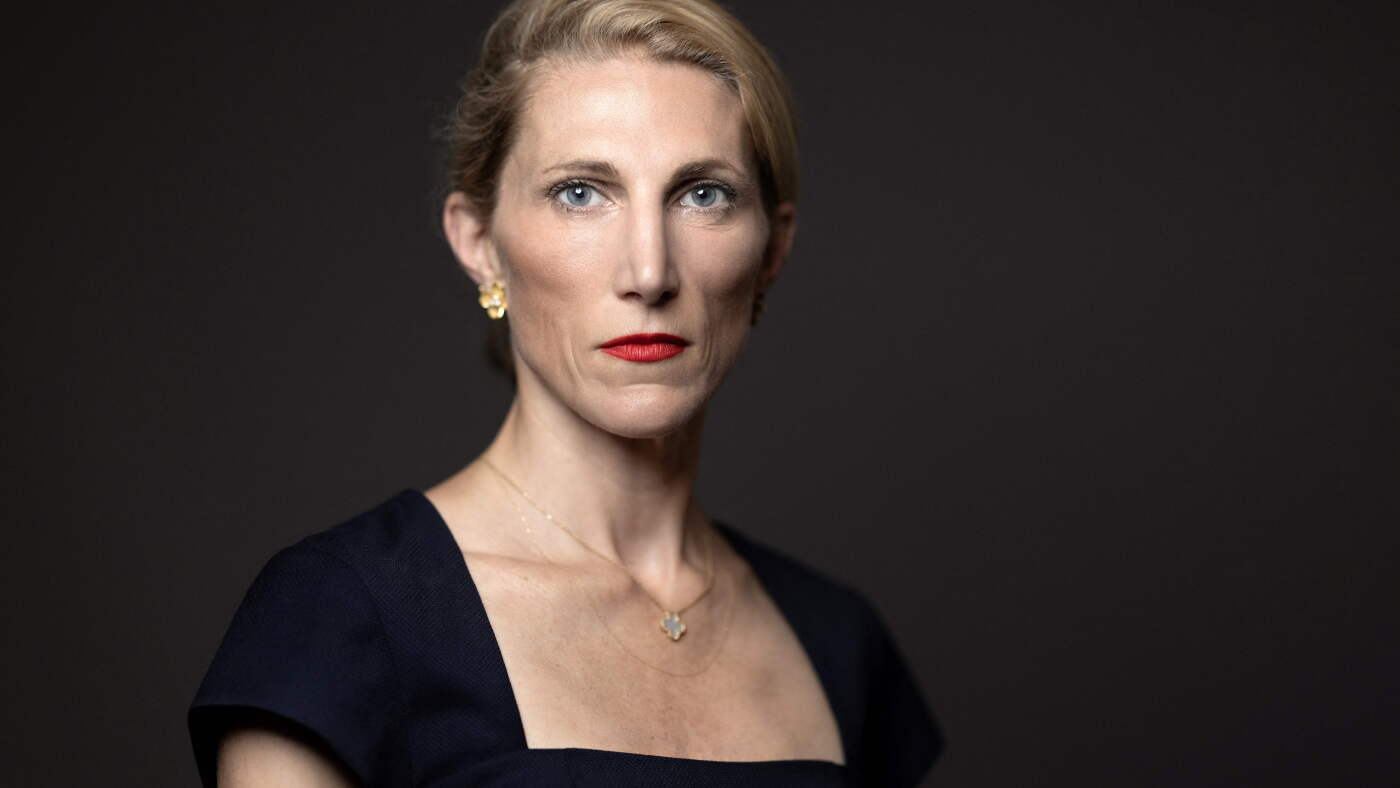
Dr. Vanessa Kerry Appointed WHO Special Envoy for Health Resilience
Dr. Vanessa Kerry has been appointed as the World Health Organization Director-General’s Special Envoy for Health Resilience, stepping into a role aimed at transforming how international health institutions prepare for and respond to systemic shocks.
-
Key Clinical Takeaways:
- Dr. Vanessa Kerry assumes the role of WHO Special Envoy for Health Resilience to advocate for strong primary care systems and sustainable financing.
- The appointment builds on her leadership at Seed Global Health, a nonprofit focused on training medical workers in lower-resource nations.
- WHO Director-General Dr. Tedros Adhanom Ghebreyesus announced the appointment, highlighting the need to shift from fragmented crisis funding to permanent infrastructure.
Defining Resilience Through Primary Care Preparedness
Resilience in global health requires concrete operational readiness rather than abstract policy goals, according to Dr. Kerry. In her assessment, preparedness centers on strong primary care networks, established institutional systems, and the immediate capacity to respond when health crises emerge. Rather than addressing public health threats through isolated responses to specific diseases, her mandate focuses on embedding sustainable infrastructure directly into national health systems.
Seed Global Health, the nonprofit organization Dr. Kerry founded and continues to lead as CEO, has spent over a decade operationalizing this exact model. The organization dispatches medical educators and mentors to train local healthcare students and practitioners in lower-resource countries, building internal medical capacity that remains active long after outside intervention ceases.

From Clinical Emergencies to Systemic Reform
The operational philosophy behind Dr. Kerry’s approach stems from formative experiences early in her medical career. During her medical training, a harrowing experience in a Rwandan hospital—where she assisted a nurse with a high-risk, complicated delivery without imaging technology or specialized obstetric training—exposed the deep vulnerabilities of under-resourced healthcare delivery. That event served as the catalyst for establishing Seed Global Health, framing her conviction that short-term medical missions do little to solve systemic gaps.
That training model has since yielded measurable public health outcomes. In Uganda, Seed Global Health partnered with the Ministry of Health to train 30 emergency medicine physicians. When an Ebola virus outbreak occurred in the country, those trained specialists and other specialists deployed across the nation to instruct more than 3,000 additional health workers in case management, infection prevention and control.

Shifting the Global Funding Architecture
Dr. Kerry’s new WHO portfolio addresses a structural flaw in international health finance: the historical tendency to fund responses disease by disease and crisis by crisis. As Special Envoy, she aims to align governments and international partners behind integrated, long-term investments that strengthen national health workforces before emergencies occur.
WHO Director-General Dr. Tedros Adhanom Ghebreyesus noted that the appointment reflects the natural evolution of Dr. Kerry’s prior work with the organization, where she served as the WHO’s first special envoy for climate change and health. In her expanded capacity, she will work alongside the World Health Organization to ensure member states secure the partnerships and funding required to withstand future climate pressures, economic shocks, and infectious disease outbreaks.