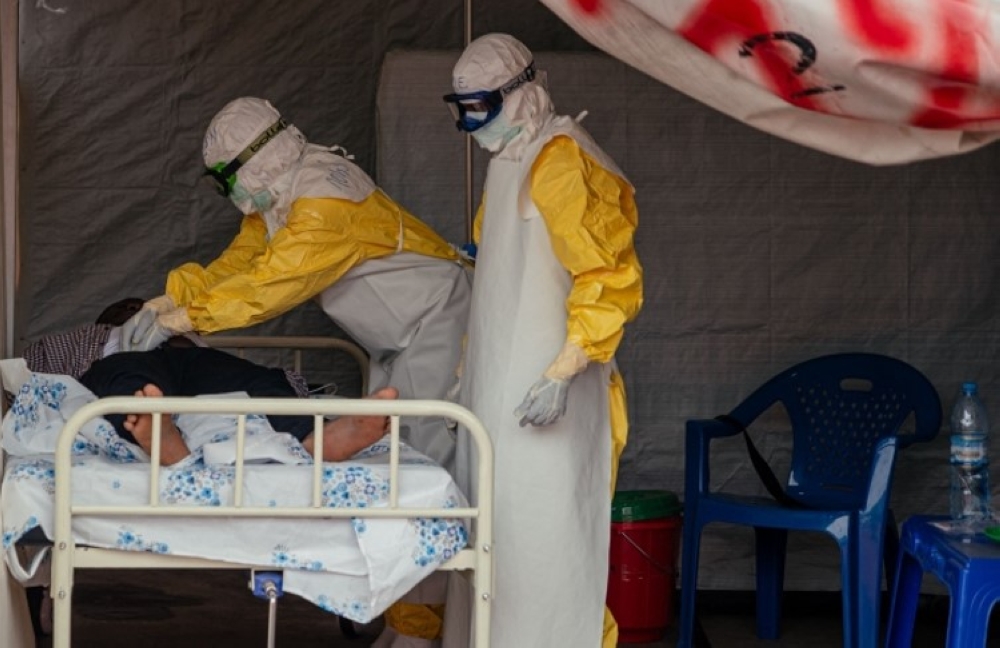
DR Congo Ebola outbreak reaches 7,022 cases and 3,398 deaths
An escalating Ebola outbreak in the Democratic Republic of the Congo has surpassed 7,000 reported cases, reaching 7,022 total infections and 3,398 deaths according to official government data reported in September 2026. This marks the most lethal epidemic of the virus in the nation’s history, exceeding the scale of the 2018-2020 outbreak. The current wave, categorized as the country’s seventeenth, is driven by the Bundibugyo strain, for which no licensed vaccine or approved therapeutic treatment currently exists.
- Total infections have reached 7,022 cases alongside 3,398 confirmed deaths, while 1,671 individuals have successfully recovered.
- The outbreak has expanded across seven distinct provinces, recently reaching Sud-Ubangi in the western region of the country.
- The active epidemic strain is identified as Bundibugyo, which lacks an approved vaccine or standard-of-care medical treatment.
Epidemiological Spread Across Seven Provinces
The epidemic initially emerged in the northeastern province of Ituri before spreading into remote territories across the eastern and northern parts of the country. Government data confirms that viral transmission has now penetrated a seventh administrative region with the recent confirmation of cases in Sud-Ubangi province, bordering the Central African Republic and the Republic of the Congo. Experts note that the virus likely circulated undetected in communities for weeks prior to official detection by public health authorities in mid-May.
Most active transmission remains concentrated in Ituri province. The persistence of the pathogen in populated settings has created heightened clinical concern, particularly after cases were detected inside local schools following the summer holiday break. In the provincial capital of Bunia, educational administrators have instituted mandatory handwashing protocols with soap and capped classroom densities at 30 students to mitigate risk, according to school official Roger Mongiembo. Community members, including local parent Angele Magani, report widespread anxiety regarding potential viral exposure despite the implementation of preventive hygiene measures.
Clinical Challenges Posed by the Bundibugyo Strain
The severity of the current public health emergency is compounded by the virological profile of the circulating pathogen. Public health authorities emphasize that the Bundibugyo strain driving this seventeenth outbreak lacks a licensed vaccine or approved treatment.
Africa CDC officials have raised concerns regarding public health surveillance, noting that contact-tracing operations in affected Congolese provinces remain insufficient to interrupt transmission chains effectively. The combination of geographic diffusion into seven provinces, school-based exposures, and a lack of specific antiviral therapeutics presents a complex challenge for infectious disease specialists managing regional containment protocols.

Healthcare facilities and diagnostic centers operating in regions vulnerable to viral hemorrhagic fevers face continuous operational pressure. Maintaining rigorous infection prevention and control standards requires strict adherence to institutional safety protocols, personal protective equipment usage, and rapid isolation procedures. Healthcare providers and diagnostic laboratories handling suspected viral cases are advised to coordinate closely with specialized infectious disease clinicians and public health agencies to ensure prompt case identification and patient management.
Disclaimer: The information provided in this article is for educational and scientific communication purposes only and does not constitute medical advice. Always consult with a qualified healthcare provider regarding any medical condition, diagnosis, or treatment plan.