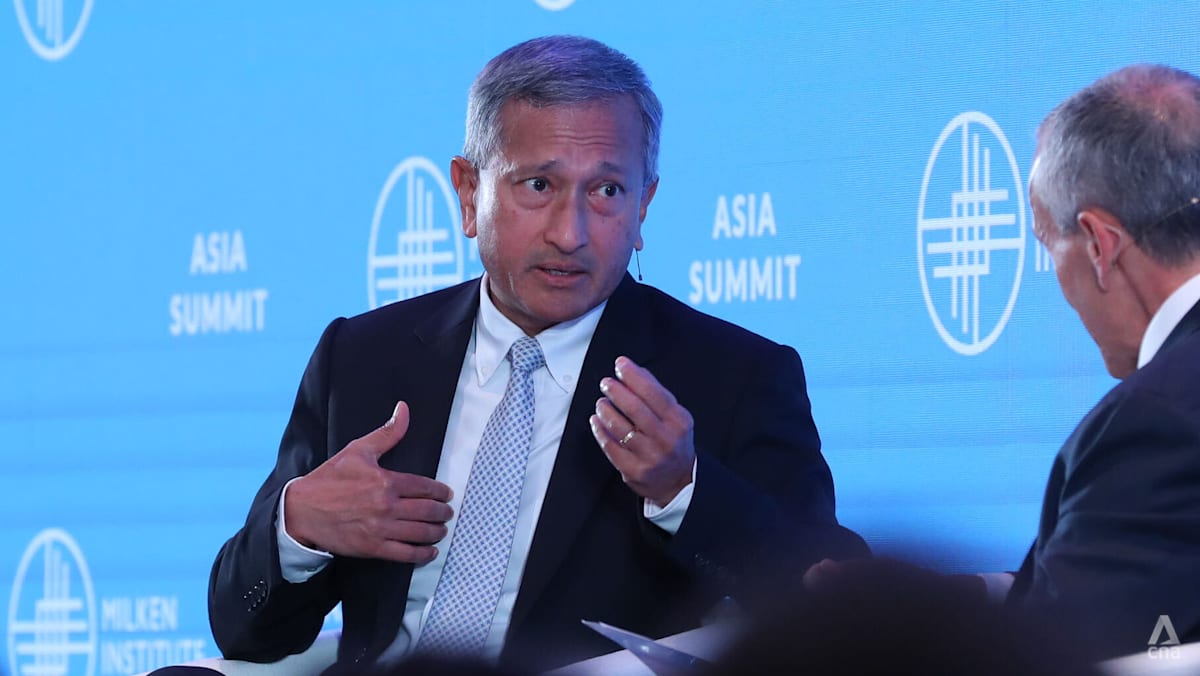
Dr. Balakrishnan says Singapore refuses to choose between US and China
Seventy-four per cent of Singapore’s population shares Chinese ancestry, forming part of a complex geopolitical matrix where the nation refuses to choose between competing global superpowers, according to statements reported by channelnewsasia.com. This demographic link exists alongside deep linguistic and historical connections to China, even as the United States remains vital to Singapore as a source of foreign investment, technology, and a key market for goods and services.
Maintaining Strategic Autonomy Between Superpowers
Dr. Balakrishnan addressed the growing rivalry between the United States and China during a dialogue session, describing the current diplomatic environment as a peculiarly sensitive existential point. Channelnewsasia.com reported that maintaining trust with both nations is essential for Singapore to function as a relevant and useful partner rather than a vassal or tributary state. “As far as we can do so, we will refuse to choose because the moment you choose, in fact, you’ve lost strategic options,” Dr. Balakrishnan said, emphasizing that Singapore avoids positions where either superpower could use the country as a proxy or a lever.
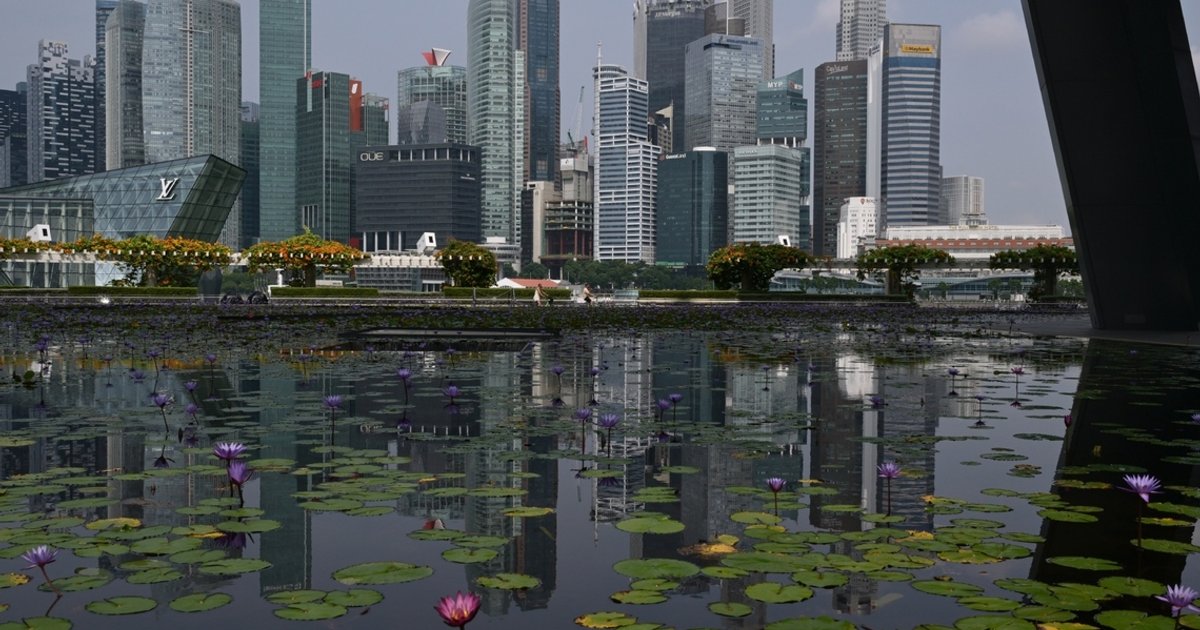
To safeguard its position, Singapore pursues a principled and consistent foreign policy based on independent calculations of its long-term national interest. This approach allows the government to decline requests or actions that conflict with its sovereignty, regardless of which superpower makes them. Concurrently, Singapore prepares to strengthen South-East Asia’s centrality and unity when it assumes the ASEAN chairmanship on January 1, 2027, serving through December 31, 2027, after taking over from the Philippines, the straitstimes.com reported. Prime Minister Lawrence Wong noted at the National Day Rally that deepening regional integration will help build resilience in an increasingly unstable world.
Singapore Prioritizes Transit Passage Through International Straits
Any disruption to vital waterways poses an immediate challenge to regional stability and supply chains. Discussing potential disruptions such as the closure of the Strait of Hormuz, Dr. Balakrishnan warned that a full-frontal assault on the transit passage regime represents a direct threat to Singapore’s economic model. The straitstimes.com added that the Singapore government actively secured essential supplies and alternative fuel products—including jet fuel and motor petrol—following the energy crisis caused by the Middle East conflict and subsequent blockades that began on February 28.