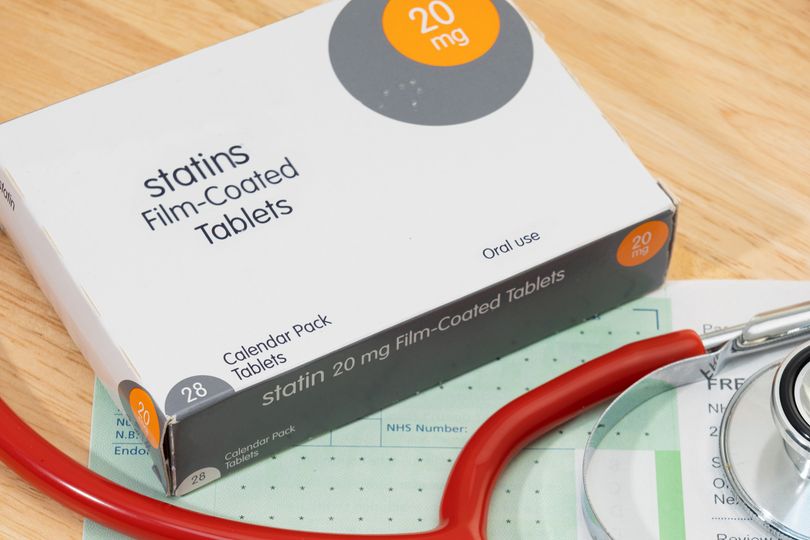
Dr Amir Khan’s High Cholesterol Advice for Statin Users
As of August 2026, clinical guidance regarding statin therapy remains a focal point for cardiovascular disease management, following public health messaging from medical professionals addressing patient concerns over side effects and adherence. Dr. Amir Khan has recently emphasized the necessity of continued statin usage for high-risk populations, highlighting that the clinical benefits of lowering low-density lipoprotein (LDL) cholesterol significantly outweigh the risks of reported adverse effects for the vast majority of patients.
Key Clinical Takeaways:
- Statins remain the clinical standard of care for reducing cardiovascular morbidity and mortality by inhibiting the HMG-CoA reductase enzyme.
- Reported muscle-related symptoms are often subject to the “nocebo effect,” where patient expectations influence the perception of side effects in clinical settings.
- Patients experiencing persistent intolerance should seek a clinical evaluation to discuss alternative lipid-lowering therapies or dosage adjustments under professional supervision.
The Pathophysiology of Statin Therapy and Clinical Adherence
Statins function by competitively inhibiting HMG-CoA reductase, the rate-limiting enzyme in the mevalonate pathway of cholesterol biosynthesis. By reducing endogenous cholesterol production, these agents upregulate LDL receptor expression in the liver, thereby increasing the clearance of circulating LDL particles. According to data published in The Lancet, the reduction of major vascular events is proportional to the absolute reduction in LDL cholesterol levels, establishing statins as a cornerstone in the prevention of myocardial infarction and ischemic stroke.
Despite this established efficacy, non-adherence remains a significant barrier to optimal therapeutic outcomes. Public discourse often centers on myalgia—muscle pain without significant creatine kinase elevation—which is frequently cited as the primary reason for treatment discontinuation. However, large-scale, double-blind, placebo-controlled trials have consistently shown that the incidence of muscle-related symptoms is not significantly higher in patients taking statins compared to those on a placebo, suggesting that the clinical burden of statin-associated muscle symptoms (SAMS) may be overestimated in community settings.
Addressing Clinical Intolerance and Therapeutic Alternatives
For patients who report genuine, persistent intolerance to multiple statin formulations, the clinical pathway involves a structured assessment to differentiate between true pharmacological side effects and unrelated musculoskeletal conditions. This process often requires a systematic “statin challenge,” where a patient is monitored while cycling through different statin types or dosages. If intolerance is confirmed, clinicians may look toward non-statin lipid-lowering agents, such as ezetimibe or PCSK9 inhibitors.
Patients navigating these challenges should prioritize care within a structured clinical environment. For those requiring a formal review of their lipid management protocol, consulting with a board-certified cardiologist or lipid specialist is the recommended standard of care. These specialists utilize advanced diagnostic testing to quantify cardiovascular risk, ensuring that therapy is tailored to the individual’s specific metabolic profile and risk factors.
The Role of Clinical Oversight in Long-term Cardiovascular Health
The management of hypercholesterolemia is not a static process; it requires ongoing monitoring of liver function tests and lipid panels to ensure the target goals are met while minimizing potential contraindications. Research funded by institutions such as the National Institutes of Health (NIH) continues to investigate the long-term impact of various lipid-lowering strategies on patient quality of life. This research underscores that individual patient response to pharmacotherapy is heterogeneous, necessitating a personalized approach to medical management.
“The objective of lipid management is the prevention of clinical events through the stabilization of atherosclerotic plaques,” notes Dr. Elena Rossi, a cardiovascular epidemiologist. “When patients encounter barriers to adherence, the clinical response should be a rigorous evaluation of the patient’s specific symptoms rather than a reflexive cessation of therapy, which leaves the patient vulnerable to adverse cardiovascular outcomes.”
Effective management requires a seamless integration of diagnostic precision and patient-centered communication. For healthcare providers and clinics managing large cohorts of patients on statin therapy, maintaining rigorous documentation and adherence to evolving clinical guidelines is essential for optimizing patient safety and outcomes. Organizations seeking to streamline their patient referral and management processes can leverage specialized clinical consultation services to ensure that treatment protocols remain aligned with the latest peer-reviewed evidence.
As the medical community continues to refine the use of statins, the focus remains on mitigating the gap between clinical recommendation and real-world implementation. By addressing patient concerns with empirical data and providing clear, actionable pathways for those who struggle with standard therapies, clinicians can ensure that the benefits of lipid-lowering interventions are fully realized across the patient population.
Disclaimer: The information provided in this article is for educational and scientific communication purposes only and does not constitute medical advice. Always consult with a qualified healthcare provider regarding any medical condition, diagnosis, or treatment plan.