Doxy PEP: Effectiveness Against Gonorrhea, Chlamydia, and Syphilis
Doxycycline post-exposure prophylaxis is losing significant ground in preventing gonorrhea infections among high-risk populations, even as it maintains robust protection against chlamydia and syphilis, according to a large-scale real-world study of electronic health records. Researchers tracking more than 26,000 transgender women and men who have sex with men in Southern California between 2023 and 2025 found that the antibiotic regimen’s efficacy against gonorrhea dropped sharply once the intervention became widely available, a trend linked directly to surging tetracycline resistance in circulating bacterial strains.
Key Clinical Takeaways:
- Real-world evaluation of over 26,000 patients reveals that doxy PEP protection against gonorrhea dropped rapidly, starting from an early-period effectiveness of about 42%.
- The regimen maintained high and consistent efficacy against other bacterial pathogens, remaining roughly 67% effective against chlamydia and 61% against syphilis.
- Investigators attribute the decline in gonorrhea defense to a growing proportion of infections caused by tetracycline-resistant bacterial strains, underscoring urgent needs for antimicrobial surveillance.
Real-World Effectiveness Across Bacterial STIs
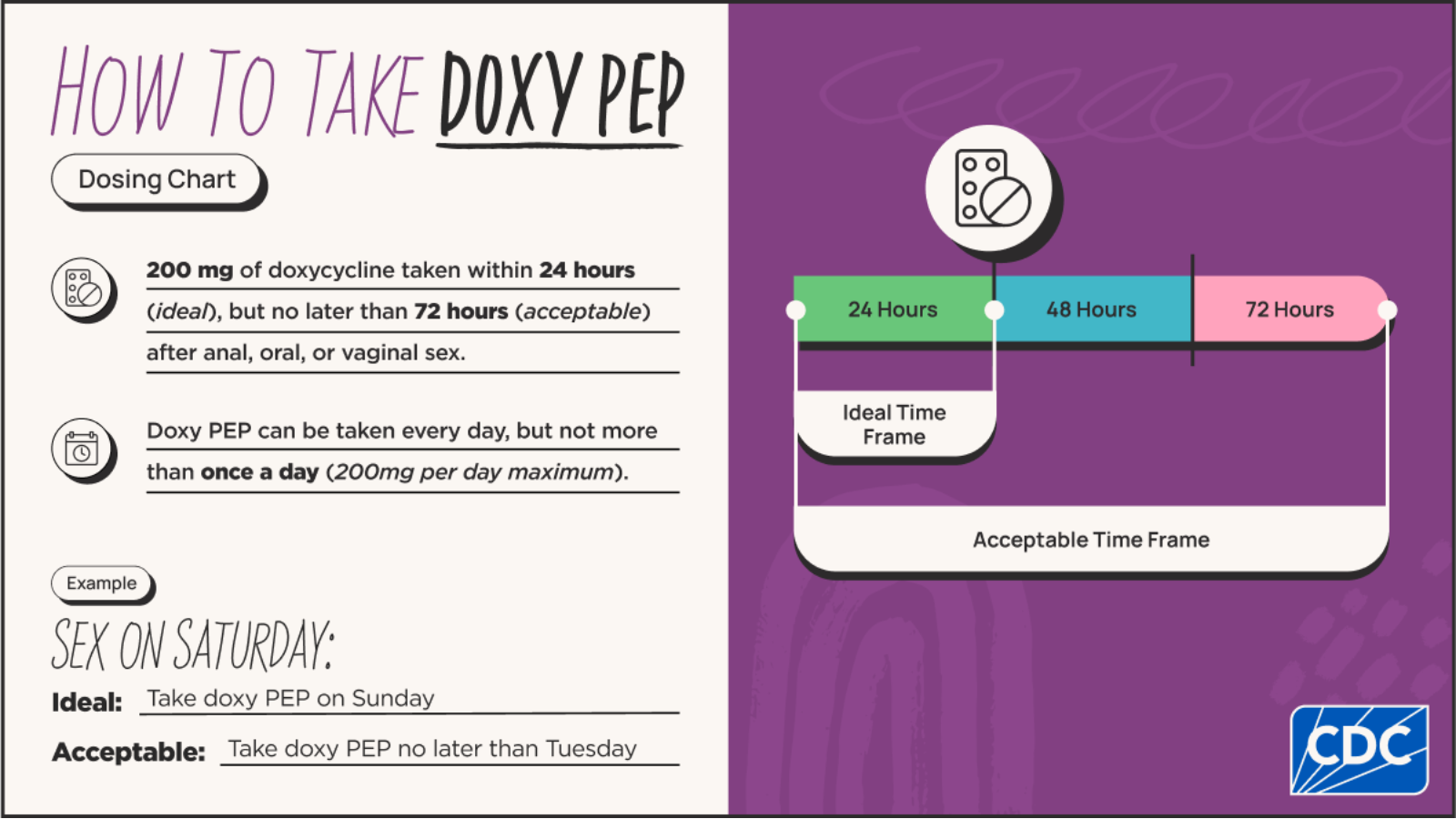
The evaluation, which focused on individuals living with HIV or utilizing pre-exposure prophylaxis to prevent HIV, highlights a growing divergence in how effective post-exposure antibiotics are across different sexually transmitted pathogens. While doxycycline administration within 72 hours of condomless oral or anal sex continues to suppress chlamydia and syphilis effectively, its utility against Neisseria gonorrhoeae is waning. Public health agencies like the Centers for Disease Control and Prevention began recommending doxy PEP in 2024 following landmark clinical trials in California showing roughly 80% reductions in chlamydia and syphilis alongside a 50% drop in gonorrhea.
However, real-world data from the subsequent rollout tell a more complex story. Investigators observed that doxy PEP’s protection against gonorrhea hovered near 42% early in the study window before plummeting as broader community adoption took hold. Conversely, real-world protection rates for chlamydia held steady at roughly 67%, while syphilis protection remained anchored near 61%.
The Mechanism and Impact of Antibiotic Resistance
The biological underpinning of this efficacy gap lies in decades of evolutionary pressure on bacterial populations. Gonorrhea has demonstrated a persistent capacity to develop resistance to numerous classes of drugs, establishing notable resistance to tetracyclines—the antibiotic family that includes doxycycline—as early as the 1980s. Resistant variants pass easily between individuals, complicating standard therapeutic approaches because older, conventional medications frequently fail to clear the pathogen.
The Southern California study revealed a direct correlation between the rising proportion of tetracycline-resistant gonorrhea strains in circulation and the declining performance of doxy PEP. When resistant strains dominated, the prophylactic dose offered minimal defense; when non-resistant variants appeared more frequently, overall protection ticked upward. This dynamic has sparked concern among clinicians that expanded, unmonitored deployment of the drug could accelerate resistance patterns further.
Evolving Clinical Guidance and Public Health Surveillance
The findings point to an impending need to adapt public health recommendations, particularly as antibiotic resistance reshapes the landscape of preventative medicine. Investigators emphasize that continuous monitoring of circulating bacterial strains must accompany any broad public health intervention to catch shifts in pathogen susceptibility before clinical failure becomes widespread.
While doxy PEP remains a foundational tool for reducing the burden of chlamydia and syphilis among men who have sex with men and transgender women, its limitations regarding gonorrhea require a more nuanced approach to risk reduction. Healthcare providers managing complex patient panels must weigh localized resistance data when counseling individuals on prophylaxis options.