
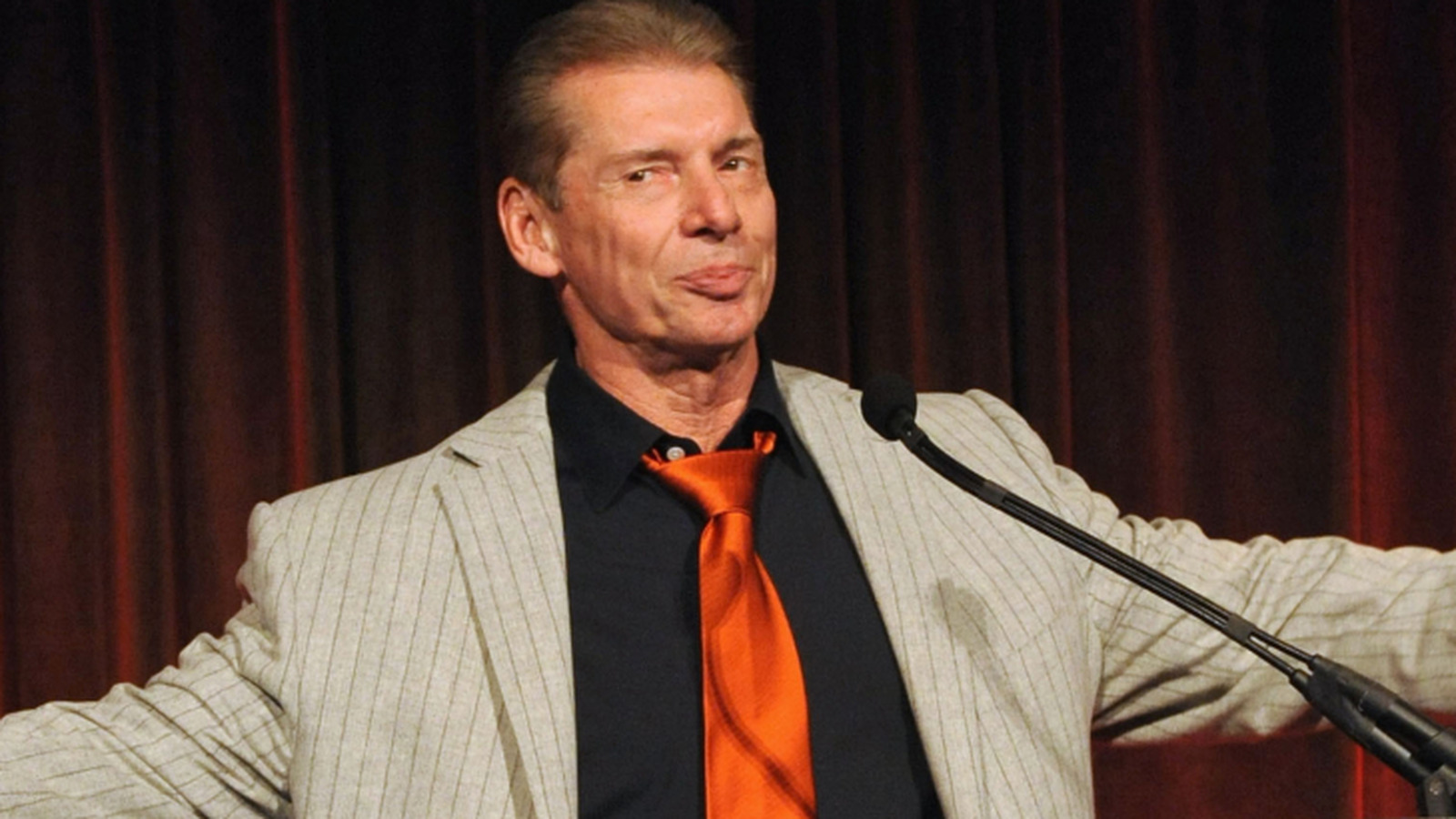
WWE’s Dominance: Hall of Famer Dory Funk Jr. Defends Vince McMahon’s Business tactics
For decades, World Wrestling entertainment (WWE) reigned supreme as the undisputed leader in professional wrestling. Its dominance wasn’t just about captivating audiences; it was built on strategic acquisitions, industry-shaping practices, and a historically closed-door approach to outside promotions. While the wrestling landscape has evolved, with the rise of competitors like All Elite Wrestling (AEW) and New Japan Pro-Wrestling, some argue that the aggressive business strategies employed by the McMahon family were ultimately beneficial for the industry. WWE Hall of famer Dory Funk Jr. is among those who believe Vince McMahon’s takeover was, in fact, “good for the business.”
A Look back at WWE’s Rise to Power
Prior to WWE’s ascent, professional wrestling existed as a network of regional promotions, each with its own territory and stars. Companies like the National Wrestling Alliance (NWA), Jim Crockett Promotions, and the American Wrestling Association (AWA) thrived, fostering unique styles and rivalries. However, this fragmented landscape limited the potential for national growth.
Vince McMahon Sr. began to challenge this status quo in the 1960s,and his son,vince McMahon Jr., dramatically accelerated this process in the 1980s. Through aggressive expansion, strategic television deals, and the signing of top talent, McMahon Jr. transformed WWE (then WWF) into a national phenomenon. A key component of this strategy was acquiring or effectively eliminating competition.This included purchasing rival promotions and securing exclusive contracts with key performers, consolidating power within WWE.
Dory Funk Jr.’s Perspective: A Veteran’s Take
In a recent interview on News4Jax’s “Going ringside” , Dory Funk Jr., a legend of the sport who wrestled extensively before WWE’s dominance, offered a unique perspective. Having experienced the pre-WWE era of autonomous promotions, Funk Jr. acknowledged the impact of McMahon’s business acumen.“yeah, Vince bought everything. It was good for the business,” he stated, reflecting a belief that consolidation ultimately benefited the industry as a whole.
Funk Jr.’s viewpoint is especially noteworthy given his long and storied career. He witnessed firsthand the challenges of navigating a fractured wrestling world. his endorsement of McMahon’s tactics suggests a recognition that a unified, nationally recognized brand was necessary for professional wrestling to reach its full potential.
The Importance of Competition, Even in Consolidation
Despite praising McMahon’s business model, Funk Jr. didn’t dismiss the value of competition. He emphasized that the emergence of new wrestling companies,whether collaborating with or challenging WWE,played a crucial role in the sport’s overall success. “And then, other, new companies would come along, and be working with Vince, or working against him. It was good for the wrestling business,” he explained.
This highlights a nuanced understanding of the wrestling ecosystem. While WWE’s dominance undeniably shaped the industry, the presence of alternative promotions has consistently pushed innovation, provided opportunities for talent, and catered to diverse fan preferences. The current wrestling landscape, with the rise of AEW as a legitimate competitor, exemplifies this dynamic.
The Modern Wrestling Landscape and Funk Jr.’s Continued Involvement
Funk Jr. remains engaged with the world of professional wrestling, though the extent of his current viewing habits remains unclear. He expressed admiration for the modern product, describing it as “good business” and praising the dedication of today’s performers.“Everybody works hard to give the fans what they would like to see,” he noted, acknowledging the commitment of current wrestlers to entertaining audiences.
Despite his age, 83 as of December 2024, Funk jr. continues to contribute to the sport he loves. He still participates in limited in-ring activities and operates a wrestling school , passing on his knowledge and experience to future generations of wrestlers.
Looking Ahead: The Future of Professional Wrestling
The wrestling industry continues to evolve. WWE’s recent sale to Endeavor, and the potential for further consolidation, raises new questions about the future of competition and innovation. However, the enduring popularity of the sport, fueled by passionate fans and dedicated performers, suggests a radiant future. dory Funk Jr.’s perspective serves as a reminder that even seemingly ruthless business practices can have unintended positive consequences, and that a healthy wrestling ecosystem requires both dominant forces and challenging competitors.
Key Takeaways:
- WWE’s rise to dominance was driven by strategic acquisitions and a national expansion strategy.
- Dory Funk Jr.believes Vince McMahon’s business tactics were ultimately beneficial for the wrestling industry.
- Competition, even in the face of a dominant force like WWE, is crucial for innovation and growth.
- The modern wrestling landscape is dynamic, with new promotions and evolving fan preferences.
- Legends like Dory Funk Jr. continue to contribute to the sport through training and occasional in-ring appearances.
