

Donald Trump Questions NATO Commitment and Delays Iran Ultimatum
Donald Trump’s recent assertions that the United States might not defend NATO allies under attack have sent shockwaves through the transatlantic alliance, raising fundamental questions about the future of collective security. This isn’t simply campaign rhetoric; it’s a calculated disruption of decades-long security architecture, forcing European nations to reassess their defense strategies and prompting a surge in demand for specialized risk mitigation services. The implications extend far beyond Europe, impacting global trade flows and investment confidence.
The Erosion of Article Five: A Calculated Risk?
The core of the issue lies with Article Five of the NATO treaty – the principle of collective defense. Trump’s statements, made repeatedly in recent weeks, suggest a conditional approach to this commitment, hinting that nations failing to meet certain (unspecified) financial obligations to NATO might not receive US support. This isn’t a new position for Trump, but the timing – amidst escalating geopolitical tensions in Eastern Europe and a renewed focus on Iran’s nuclear ambitions – is particularly alarming. The former president has long criticized European nations for what he perceives as insufficient contributions to their own defense, arguing that the US bears an unfair burden.

This isn’t merely about money. It’s about leverage. Trump’s strategy appears designed to force European allies to increase defense spending and align more closely with US foreign policy objectives. However, the tactic risks fracturing the alliance and creating a security vacuum that adversaries like Russia could exploit. The potential for miscalculation is immense.
The European Response: A Scramble for Self-Reliance
European leaders have responded with a mixture of concern and defiance. While publicly reaffirming their commitment to NATO, many are quietly accelerating plans for greater strategic autonomy. France, under President Macron, has been a vocal advocate for a more independent European defense capability for years. Germany, traditionally hesitant to project military power, is now significantly increasing its defense budget. Poland, facing a direct threat from Russia, is actively bolstering its military and seeking closer security ties with the US – even as it expresses concern over Trump’s rhetoric.
This shift towards self-reliance is creating significant opportunities for the defense industry. Demand for advanced weaponry, cybersecurity solutions, and intelligence gathering capabilities is soaring. However, it also presents logistical challenges. Building up independent defense capabilities requires substantial investment, long lead times, and a coordinated effort across multiple nations. Companies specializing in defense logistics and supply chain management are poised to benefit from this increased demand. Defense logistics firms are already seeing a surge in inquiries regarding the rapid deployment of equipment and personnel.
The Iran Factor: A Converging Crisis
Trump’s comments on NATO coincide with escalating tensions in the Middle East, particularly regarding Iran. He has repeatedly threatened Iran and recently reiterated his demand for the reopening of the Strait of Hormuz, a vital shipping lane for global oil supplies. Iran, in turn, has warned that any attack on its territory would be met with a swift and decisive response. Reuters reports that Iran is now urging civilians to evacuate areas near US forces, signaling a heightened state of alert.
The potential for a conflict in the Persian Gulf is particularly concerning given the already fragile global economic situation. Disruptions to oil supplies could send energy prices soaring, triggering a recession. A wider conflict could draw in regional powers like Saudi Arabia and Israel, further destabilizing the region. Multinational corporations operating in the Middle East are facing increased political risk and are actively seeking advice from political risk consultants to assess their exposure and develop contingency plans.
“The Trump statements are a wake-up call for Europe. They expose a fundamental vulnerability in the transatlantic alliance and underscore the need for a more robust and independent European defense capability. This isn’t about abandoning NATO; it’s about diversifying risk and ensuring that Europe can defend its interests, regardless of the political climate in Washington.” – Dr. Eleanor Reynolds, Senior Fellow, Chatham House.
The Macroeconomic Fallout: A Shifting Global Order
The implications of a weakened NATO extend far beyond military security. A less predictable security environment increases uncertainty and discourages foreign direct investment (FDI). Companies are likely to postpone or cancel investment plans in countries perceived to be at greater risk. This could lead to a slowdown in economic growth and a decline in global trade.
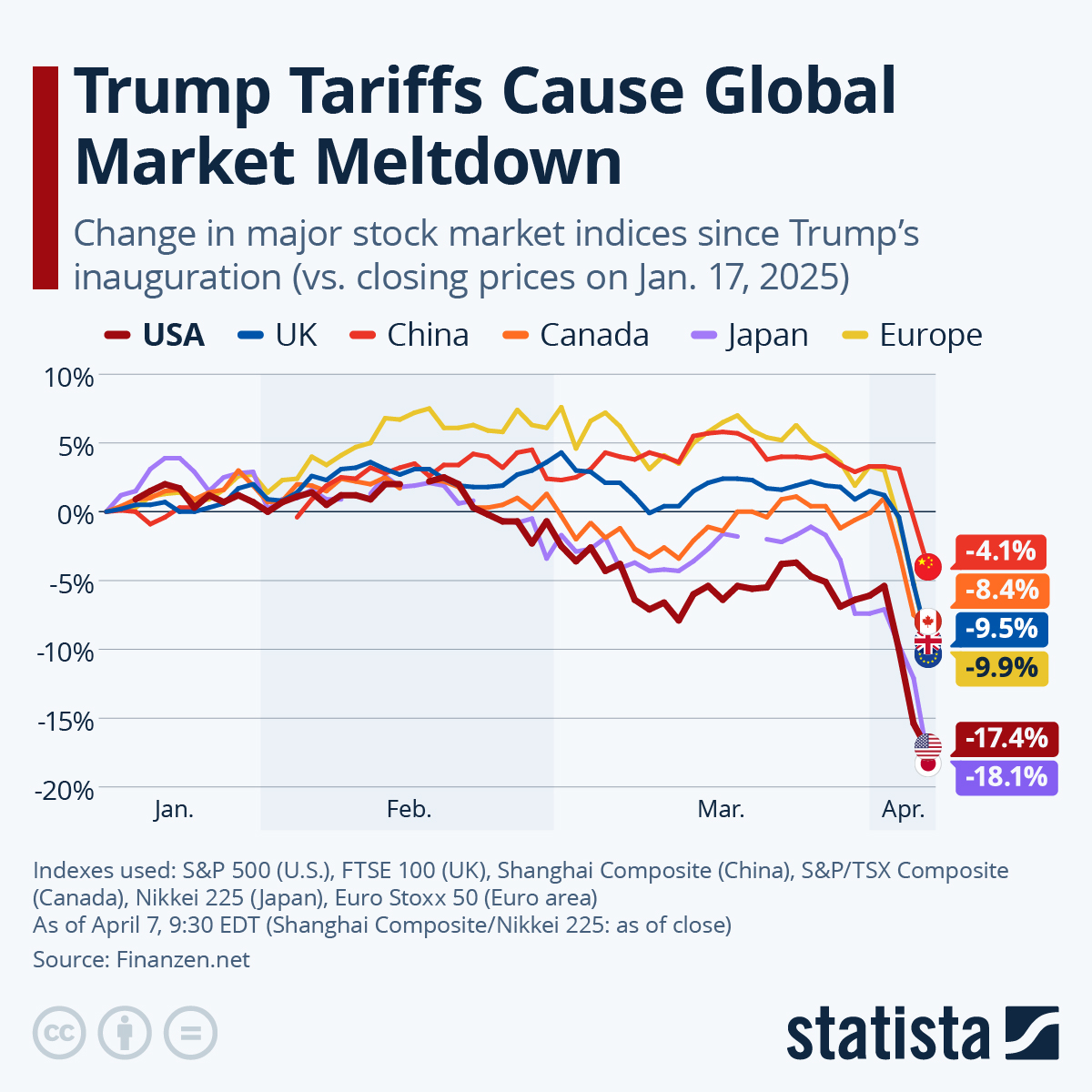
The impact on currency markets could also be significant. A flight to safety could see investors flocking to the US dollar, strengthening its value and potentially harming US exports. The euro, meanwhile, could come under pressure. The World Bank’s latest Global Economic Prospects report highlights the growing risks to the global economy, citing geopolitical tensions as a major factor.
Here’s a comparative look at defense spending among key NATO members (USD Billions, 2023):
| Country | Defense Spending |
|---|---|
| United States | 886 |
| United Kingdom | 75 |
| Germany | 66 |
| France | 62 |
| Italy | 34 |
These figures demonstrate the significant disparity in defense spending within NATO, a point Trump frequently emphasizes. However, simply increasing spending isn’t enough. European nations also need to improve their defense capabilities and coordinate their efforts more effectively.
Navigating the New Landscape: Legal and Financial Considerations
The shifting geopolitical landscape presents a complex set of legal and financial challenges for multinational corporations. Companies operating in Europe need to reassess their risk exposure and ensure they are compliant with evolving sanctions regimes. They also need to consider the potential impact of increased defense spending on government procurement policies.
International trade lawyers specializing in sanctions compliance and government contracts are in high demand. International trade law firms are advising clients on how to navigate the complex legal landscape and mitigate their risks. Financial advisors are helping companies to diversify their investments and protect their assets.
“The uncertainty surrounding US commitment to NATO is forcing companies to re-evaluate their long-term strategic plans. They are looking for ways to reduce their exposure to geopolitical risk and build more resilient supply chains. This is driving demand for specialized legal and financial advice.” – Jean-Pierre Dubois, Global Economist, BNP Paribas.
The situation is fluid and unpredictable. Trump’s statements are a symptom of a broader trend towards deglobalization and a more fragmented world order. The future of NATO, and indeed the future of global security, hangs in the balance. To navigate this turbulent environment, businesses need to be proactive, informed, and prepared to adapt to rapidly changing circumstances. The World Today News Directory provides access to the leading international legal, financial, and consulting partners equipped to help you do just that.