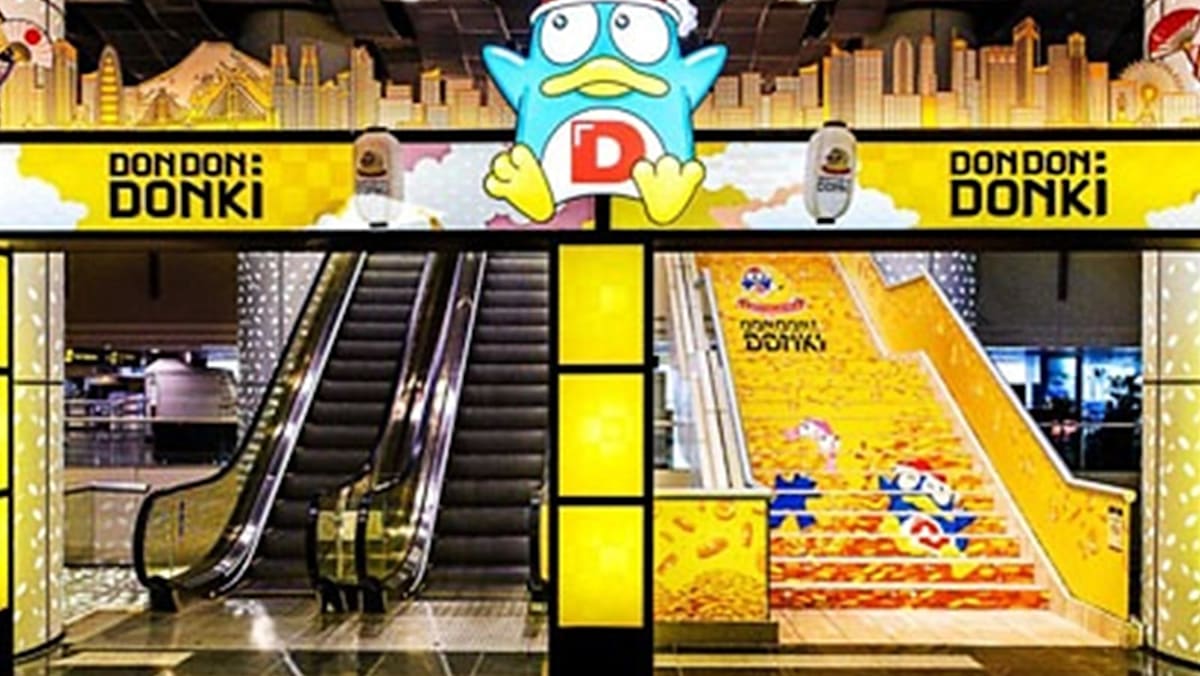
Don Don Donki HarbourFront Centre to Close July 19 With 70% Off Sale
Don Don Donki is closing its HarbourFront Centre outlet in Singapore on July 19, 2026, to facilitate the mall’s redevelopment into a 33-storey mixed-use complex. The Japanese retailer is currently executing a clearance sale with discounts of up to 70% on selected items to liquidate inventory.
Retail footprint optimization is rarely a quiet process. When a prime commercial asset is earmarked for total redevelopment, the friction manifests in the sudden need for aggressive inventory churn and the termination of high-traffic lease agreements. For a high-volume operator like Don Don Donki, the exit from HarbourFront Centre isn’t just a store closure; it is a tactical liquidation play designed to minimize losses on perishable and seasonal stock before the site transitions into a new phase of asset intensification.
The fiscal problem here is twofold: the immediate need to convert physical stock into liquidity and the long-term challenge of maintaining market share in the southern corridor of Singapore. Companies facing these transitions often require the expertise of inventory liquidation specialists to ensure that the “closing down” phase doesn’t erode brand equity while maximizing recovery value.
The Asset Play: From World Trade Centre to Mixed-Use Hub
The trajectory of HarbourFront Centre reflects a broader trend in urban regeneration. Originally opening in 1978 as the World Trade Centre, the complex underwent a major pivot in 2003 to become the current HarbourFront Centre. Now, the site is slated for a transformation into a 33-storey mixed-use building. This new development will integrate retail and office spaces with an elevated waterfront park, shifting the value proposition from a traditional shopping mall to a diversified ecosystem.
What we have is a classic capex-heavy play to increase the yield per square foot. By moving toward a mixed-use model, the developers are hedging against the volatility of pure-play retail. They are effectively trading stable, long-term retail tenants for a higher-density mix of corporate offices and leisure spaces that can command premium rents.
Footprint optimization is the only way to survive the current retail cycle.
For the tenants, this redevelopment triggers a mandatory exit. While the 70% discounts currently seen at the HarbourFront outlet are attractive to consumers, from a balance sheet perspective, they represent a desperate attempt to increase inventory velocity. The goal is to clear the shelves of sushi, bentos, and Japanese imports without incurring the logistics costs of relocating thousands of SKUs to other outlets.
“The shift toward high-density, mixed-use developments in Singapore’s prime districts is a direct response to the compression of retail margins. Landlords are no longer looking for just ‘anchor tenants’; they are looking for asset diversification that integrates work, life, and leisure to ensure long-term valuation growth.”
The Liquidation Logic and Inventory Velocity
The decision to slash prices by up to 70% is a calculated move to avoid the “dead stock” trap. In the Japanese convenience retail model, where freshness and seasonality drive margins, holding onto inventory past its prime is a liability. By announcing the July 19 deadline early, Don Don Donki is creating a sense of urgency that drives foot traffic, effectively using the closure as a final marketing push to extract maximum value from the remaining stock.
This process is fraught with legal and operational risks. Terminating a lease under the pressure of redevelopment requires precise negotiation to ensure that exit clauses are honored and that the handover process doesn’t result in unforeseen penalties. This is where firms typically engage corporate legal advisors to navigate the complexities of commercial lease exits and settlement agreements.
Liquidity is king when the lease expires.
The HarbourFront branch served a unique demographic: a mix of Sentosa-bound tourists, cruise passengers, and late-night commuters. The loss of this specific node creates a gap in the retailer’s accessibility to the southern waterfront, forcing a reallocation of customer flow to other existing outlets. This shift tests the elasticity of customer loyalty—will the “late-night snack hunters” travel further, or will they migrate to a competitor?
The Macro Shift: Three Drivers of Retail Evolution
The closure of a popular outlet for the sake of a 33-storey redevelopment is a micro-event that signals three macro-economic shifts in the regional retail landscape:
- Asset Intensification: The move from a low-rise mall to a 33-storey mixed-use tower demonstrates the necessity of vertical growth in land-constrained markets. Developers are maximizing the “floor area ratio” to offset rising land costs and interest rate pressures.
- Experience-Led Zoning: The inclusion of an elevated waterfront park suggests that “shopping” is no longer the primary draw. The new model prioritizes “dwell time”—creating environments where people spend time for leisure, which indirectly supports the surrounding retail and office components.
- Strategic Consolidation: Retailers are increasingly moving away from fragmented, smaller footprints in favor of “power hubs” or highly optimized locations. The exit from HarbourFront Centre allows for a leaner operational model, reducing the overhead associated with managing an outlet in a site slated for demolition.
The era of the standalone shopping mall is fading; the era of the integrated urban hub has arrived.
Bridging the Gap to Future Growth
As HarbourFront Centre prepares for its transformation, the surrounding business ecosystem must adapt. The transition from a retail-heavy center to a mixed-use office and retail hub will create a new demand for B2B services, from facility management to high-end corporate fit-outs. Companies looking to capitalize on this redevelopment will need to align themselves with commercial real estate consultants who understand the nuances of mixed-use zoning and the shifting demographics of the waterfront district.

For Don Don Donki, the July 19 closure is a tactical retreat. For the developers, it is the first step in a high-stakes gamble on the future of urban living. The real winners in this transition will be the firms that can bridge the gap between the old retail guard and the new, integrated corporate landscape.
The market doesn’t reward nostalgia; it rewards the ability to pivot. As the southern waterfront of Singapore evolves, the winners will be those who treat every lease termination not as a loss, but as an opportunity for strategic reallocation. To find the vetted partners necessary for navigating these corporate transitions—from M&A advisory to urban planning—the World Today News Directory remains the definitive resource for institutional-grade B2B connections.