
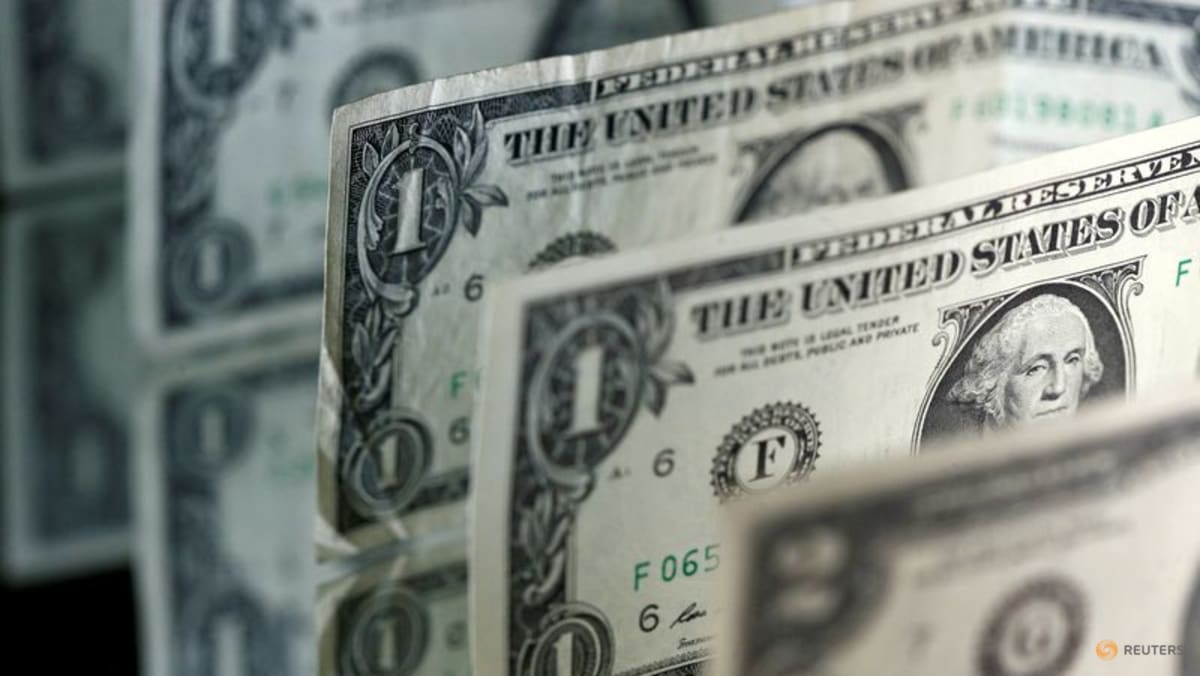
Dollar Rises as Middle East Conflict Concerns & Slowing US Growth Return
New York – The dollar gained ground Tuesday as doubts emerged regarding a swift resolution to the escalating conflict in the Middle East, partially reversing gains seen Monday fueled by initial optimism. The dollar index, which measures the US currency against a basket of peers, rose 0.18 percent to 99.36, after dipping 0.4 percent to near a two-week low the previous day.
The shift in market sentiment followed statements from US President Donald Trump suggesting “very good and productive” conversations with Iran regarding a potential de-escalation of hostilities. However, Iran has denied any direct negotiations took place, casting uncertainty on the prospects for a quick end to the crisis. This ambiguity has prompted investors to reassess their positions, moving away from the risk-on attitude that briefly prevailed Monday.
Adding to the pressure on markets, data released Tuesday indicated a slowdown in US business activity in March to an 11-month low. The report cited rising energy and input costs linked to the Middle East conflict as contributing factors, raising concerns about accelerating inflation. “I think that many people recognised what the US and Iranian officials say is part of the psych operations related to war,” said Marc Chandler, chief market strategist at Bannockburn Capital Markets in New York. “The market is less optimistic than it was yesterday. Broadly we’re consolidated within yesterday’s ranges.”
European currencies weakened against the dollar. Sterling fell 0.51 percent to $1.3387, after a near 1 percent jump on Monday, while the euro was down 0.27 percent at $1.1585, having gained 0.4 percent in the prior session. The yen also softened, trading 0.2 percent lower at 158.75 a dollar.
Early Economic Impacts
The conflict is already showing early signs of impacting the global economy. Survey data released Friday revealed that business activity in the Eurozone and Britain fell to multi-month lows, suggesting economic strain from the ongoing instability. “While US PMIs echoed the pattern seen in the earlier euro zone and UK prints of firmer manufacturing and softer services, leading to lower composites, the slowdown was more muted in the US, lending support to the dollar,” said Uto Shinohara, senior investment strategist at Mesirow Currency Management in Chicago.
The disruption of energy trade is a significant concern. The conflict has effectively halted approximately one-fifth of the world’s oil and liquefied natural gas shipments through the Strait of Hormuz, creating volatility in energy markets. Oil prices rebounded Tuesday after a more than 10 percent plunge Monday.
The potential for increased energy prices is also influencing expectations regarding monetary policy. Markets have scaled back expectations of interest rate cuts from the Federal Reserve, while pricing in at least two rate hikes each from the European Central Bank and the Bank of England this year. The two-year US Treasury yield rose 7.7 basis points to 3.908 percent Tuesday, after dropping over 6 basis points Monday.
The dollar has strengthened 1.7 percent this month, putting it on track for its strongest monthly gain since October, as the conflict fuels demand for safe-haven assets. The International Energy Agency (IEA) has proposed a coordinated release of strategic reserves, and the G7 is considering the proposal, but no concrete action has been announced.