DOJ Seeks to Restore Trump Name to Kennedy Center
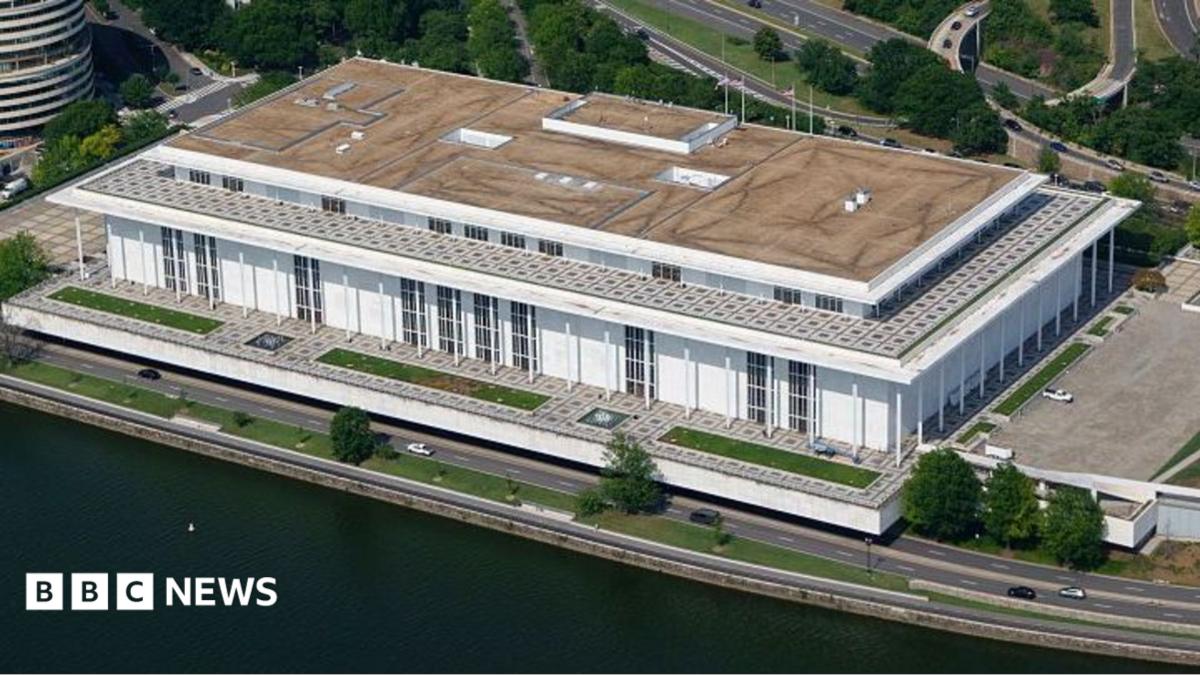
Legal representatives for the Kennedy Center warned a federal judge on Monday that the historic performance arts venue may face total demolition and replacement with an open-air performance space if court orders continue to block its closure and renovation plans.
Renovation Disputes and Demolition Threats in Federal Court
The filing submitted by the venue’s lawyers outlines a stark choice for the property. Without immediate and extensive infrastructure repairs, the center “will deteriorate further into an unsafe, decrepit structure that will be required to be taken down,” according to court documents. If the building is dismantled, officials stated that decisions would then be required regarding alternative structures for the site, including a large outdoor amphitheater overlooking the Potomac River that has been proposed, by some, for many years.
This legal filing arrived just days after the center’s board, which is stacked with Trump allies, voted once again to shut down the performing arts venue for renovations. Previous closure attempts faced intense judicial scrutiny, resulting in a federal judge stepping in earlier this year to block the plans after ruling that they were made unlawfully. U.S. District Judge Casey Cooper scheduled a hearing for Thursday to address a separate legal challenge brought by Democratic Rep. Joyce Beatty of Ohio, who is seeking to stop the board from inscribing Donald Trump’s name onto the building’s facade and interior spaces.
The ongoing naming dispute stems from June actions where Trump’s name was removed following a court order. The justice department has since asked for the designation be restored, setting up a legal battle over federal compliance and executive influence at the national cultural landmark.
Infrastructure Decay and Capital Project Realities
Kennedy Center officials previously granted media tours in April to showcase the severity of the building’s internal wear. Behind the scenes, inspections revealed extensive water intrusion across parking deck ceilings and floors, severely rusted and corroded steel beams, and deteriorating fireproofing materials. Furthermore, the river pump room—responsible for supplying cooling capacity via a large pipe drawing water from the Potomac River—houses equipment installed in 1971 that has remained non-functional for 30 years.

Despite the scale of the proposed shutdown, center officials have acknowledged that patrons may notice very few outward physical transformations after the renovations conclude. Planned visible modifications remain largely confined to landscape pavers, fountains, and potential interior color updates. The primary objective centers on structural remediation rather than architectural redesign.
Managing structural overhauls and compliance issues of this magnitude requires extensive oversight. When public institutions face intense regulatory scrutiny and complex project management hurdles, administrators frequently retain specialized commercial real estate legal counsel and municipal engineering specialists to evaluate asset viability and maintain building codes.
The Path Forward for the National Cultural Landmark
As the legal battle intensifies before Judge Cooper, the future of the Kennedy Center hangs in the balance between mandated preservation, structural necessity, and executive-level redesign proposals. The court’s upcoming decisions will dictate whether the structure undergoes its planned closure or faces a trajectory toward demolition.

Resolving severe architectural and jurisdictional disputes demands rigorous adherence to federal oversight. Stakeholders navigating these intricate administrative pathways often rely on experienced civic advisory and municipal consulting firms to secure long-term structural integrity.