DOH Urges Parents for Bakuna Eskwela Free Vaccines for Grades 1-7
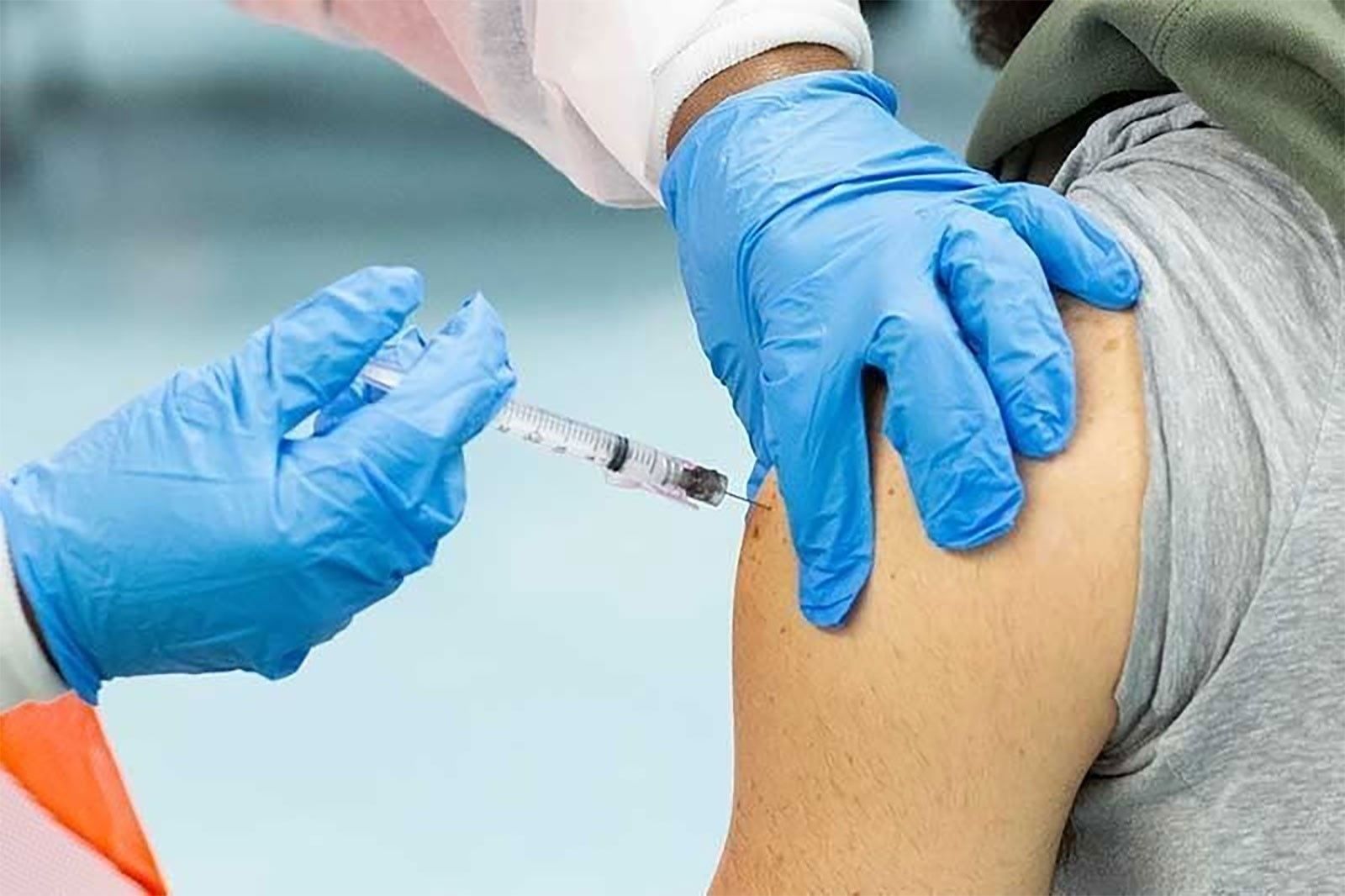
The Department of Health (DOH) is urging parents to participate in the nationwide “Bakuna Eskwela” program, which provides free vaccinations to students in Grades 1 to 7. The immunization campaign, running from October 12 through December 15, aims to protect children against measles, rubella, tetanus, diphtheria, and human papillomavirus (HPV).
Cost Savings for Families
The DOH said that families could save up to P13,000 by accessing these vaccines through the school-based program instead of private clinics. According to the ClinicFinder PH Price Guide cited by the health department, measles-rubella vaccines typically cost between P1,500 and P3,000, while tetanus shots range from P500 to P1,000. HPV vaccines, which are provided to female students, carry a market price of P2,000 to P9,000.
Vaccine Coverage and Eligibility
Grade 1 and Grade 7 students, regardless of gender, are eligible for measles-rubella and tetanus-diphtheria vaccines. For HPV, the program focuses on female learners in Grade 4, with a catch-up strategy now including previously unvaccinated Grade 5 female students to improve coverage.
| Vaccine Type | Market Price Range | Target Demographic |
|---|---|---|
| Measles-Rubella | P1,500 – P3,000 | Grades 1 and 7 |
| Tetanus | P500 – P1,000 | Grades 1 and 7 |
| HPV | P2,000 – P9,000 | Grades 4 and 5 (females) |
Expanding Reach Beyond Traditional Classrooms
The immunization initiative extends beyond standard school settings to ensure no eligible child is left behind. According to the DOH-CHD-CAR, the program includes out-of-school youth, learners in the Alternative Learning System, and students with special education needs.
Children who miss their scheduled school-based doses can still receive vaccines at fixed posts. These include rural health units, barangay health stations, and other designated local health facilities.
Health Officials Address Vaccine Safety and School Scheduling
Health officials are addressing parental concerns by highlighting the long-standing history of the vaccines provided. Dr. Rodney Labis of the IPHO said that these immunizations have been used globally for years, with their safety and effectiveness backed by extensive scientific evidence.
To further support the rollout, schools are instructed to manage scheduling carefully to minimize classroom disruption. When necessary, facilities are directed to provide catch-up activities for any students who miss lessons or experience side effects following their vaccination.
The Department of Health serves as the national government’s overarching technical authority on health, maintaining a mandate to ensure all Filipinos have access to basic public health services. This scope includes the regulation of health services and products, facilitating the delivery of essential care nationwide. By acting as the primary executive department for these functions, the agency coordinates the infrastructure necessary to implement large-scale immunization initiatives across the archipelago.
To support its operational capacity, the department manages an extensive network of facilities, including regional health offices established following a 1958 reorganization. These offices allow for the decentralized administration of healthcare duties, ensuring that public health programs remain effective and accessible at the local level throughout the country.
Implementation and Safety
The DOH and the Department of Education coordinate the initiative, which has functioned as a routine health service for nearly 13 years. While the program shifted to community settings during the pandemic, it currently uses both school and community-based approaches to ensure students receive their doses. “The Bakuna Eskwela program aims to provide additional protection to our children against vaccine-preventable diseases or dangerous illnesses that can be avoided through vaccination,” said Dr. Rodney Labis, head of the IPHO Health Service Delivery Division.
Health officials emphasize that the single-dose HPV schedule for girls aged 9 to 14 is supported by the National Immunization Technical Advisory Group and the World Health Organization.
“The single-dose approach is intended to expand vaccination coverage, simplify service delivery, and optimize resources,” said Nurse V Joycelyn Rillorta of the DOH-CHD-CAR. Dr. Labis added that the vaccines are supported by extensive scientific evidence and are recommended by experts, including the Philippine Pediatric Society in Iloilo.