
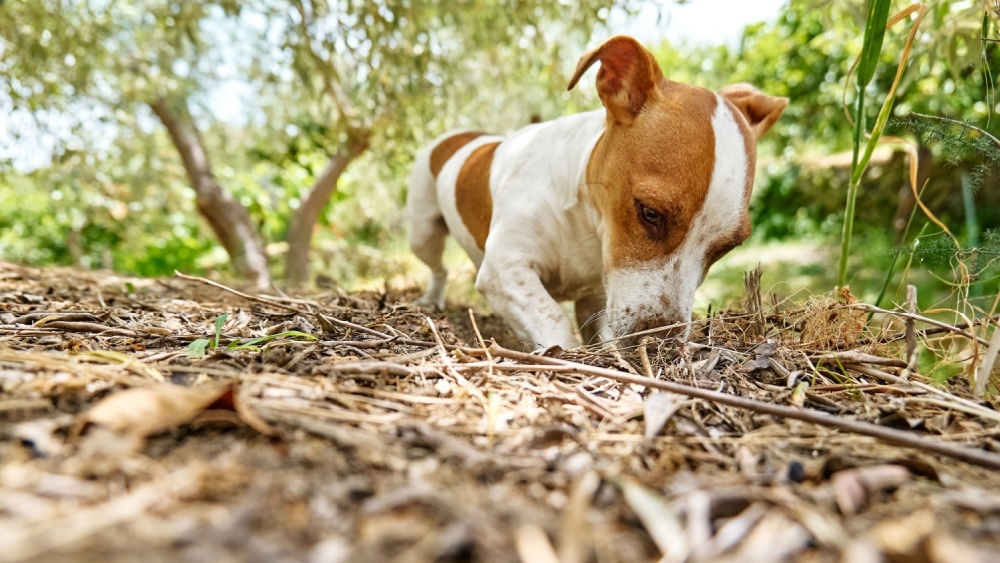
The Instinct to Stash: why Your Dog Hides Food
Ever find a forgotten chew hidden under the rug or a biscuit tucked into a sofa corner? You might chalk it up to a quirky habit,but your dogS food-hiding behavior is rooted in a interesting,ancient survival strategy.
Scientists call this instinct “caching“ – the act of storing food for later consumption. It’s a behavior observed across the animal kingdom, from squirrels burying nuts to wolves concealing portions of a kill.
There are two primary caching methods seen in wild animals: lard caching, where food is concentrated in a few key locations, and dispersive caching, involving numerous, smaller hidden stashes.
Domestic dogs, descendants of wild canids, exhibit a remnant of this instinct. While they may not need to store food for lean times, the drive to do so remains.They rely on a combination of scent and spatial memory to recall the locations of their hidden treasures.
interestingly, certain breeds are more prone to caching than others. Terriers and hounds, historically bred for hunting, demonstrate this behavior more frequently. This isn’t a sign of anxiety about food scarcity, but rather a manifestation of deeply ingrained survival mechanisms passed down through generations.
If your dog’s caching causes disruption, understanding its origins is key.This isn’t misbehavior, but a natural expression of instinct. To help manage this behavior and ensure your dog’s well-being,focus on providing:
* Sufficient physical activity: A tired dog is less likely to focus on stashing.
* Social interaction: Engagement with you and other dogs fulfills their social needs.
* Mental stimulation: Challenge their minds to reduce boredom and anxiety.
Tools like feeding puzzles, slow-feed toys, and search games are excellent ways to channel this natural instinct in a positive way. If your dog becomes possessive of their hiding spots, create multiple feeding areas and ensure there are plenty of toys available.
If you have concerns about this behavior, consulting with a veterinarian or animal behaviorist is always a good idea. The next time you discover a hidden snack, remember you’re witnessing a behavior shaped by thousands of years of evolution – a testament to the enduring power of instinct.
