Does Brain-Computer Interface (BCI) Training Help Stroke Recovery?
Brain-computer interface (BCI) training, a technology designed to bridge the gap between neurological intent and physical execution, remains an experimental frontier in post-stroke rehabilitation. Current clinical evidence suggests that while BCI training may provide marginal improvements in upper-limb motor function, its efficacy regarding lower-limb mobility and the mastery of activities of daily living (ADLs) remains statistically inconclusive. As of October 2025, the medical community continues to navigate the disparity between the high-tech promise of neural signal feedback and the tangible, functional outcomes required for patient recovery.
Key Clinical Takeaways:
- BCI training may offer small, incremental improvements in arm movement, but shows little to no significant benefit for leg movement or functional independence.
- Studies comparing BCI to “sham” or placebo training indicate that the specific neural feedback mechanism may not be the primary driver of observed clinical gains.
- Current evidence is limited by small sample sizes and inconsistent methodology, necessitating larger, well-designed studies to establish clinical standards.
The Mechanism of Neural Feedback in Stroke Recovery
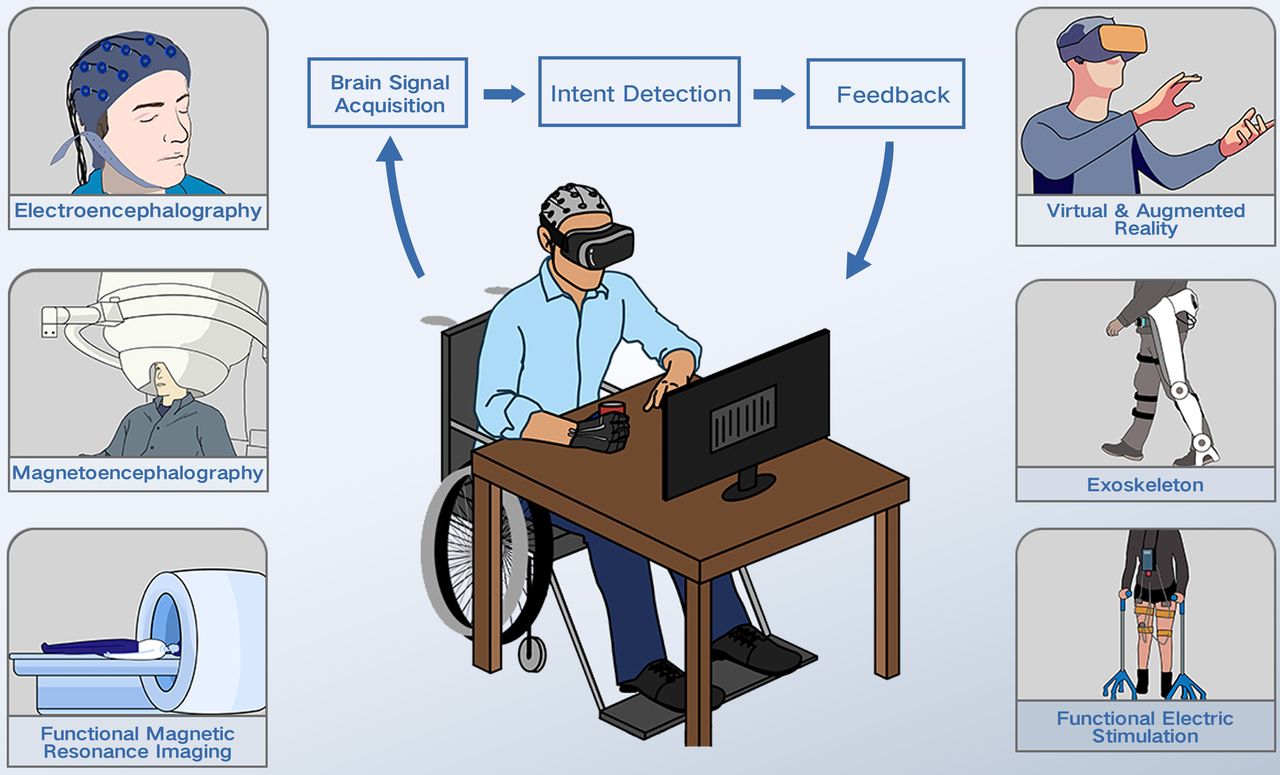
The pathophysiology of stroke often involves the disruption of neural pathways essential for motor control. BCI systems address this by detecting signals—specifically those generated when a patient attempts or visualizes a movement—and translating these signals into real-time feedback. This feedback loop, which may involve robotic-assisted limb movement or electrical stimulation to the muscles, is hypothesized to facilitate neuroplasticity, potentially “rewiring” damaged cortical areas.
However, the clinical translation of this technology is complex. According to a systematic review updated through October 2025, researchers analyzed 43 studies involving 1,628 stroke survivors to evaluate the efficacy of these interfaces. The data indicates that when BCI training is compared to conventional physical therapy, patients may experience a slight boost in arm movement. Conversely, when BCI is compared to a “sham” BCI—a device that mimics the setup without providing genuine neural signal feedback—the perceived benefits largely vanish. This suggests that the “active” component of BCI may not be significantly more effective than the placebo effect inherent in intensive, focused rehabilitation.
Evaluating the Evidence: Limitations and Clinical Uncertainty
The current body of evidence regarding BCI in stroke recovery is characterized by high levels of uncertainty. Many of the 43 reviewed studies suffered from small cohort sizes and significant heterogeneity in rehabilitation protocols. A critical limitation identified by investigators is the nature of many trials, where participants were aware of the treatment they were receiving, potentially biasing the reported outcomes.
Navigating Treatment Pathways and Professional Consultation
For patients and their families, the transition from acute stroke care to long-term rehabilitation requires a focus on evidence-based practices. While BCI remains a promising research tool, it is not yet a universal standard of care. Identifying a comprehensive recovery plan requires collaboration with multidisciplinary teams, including neuro-rehabilitation specialists and physical medicine practitioners.
Patients seeking to optimize recovery should consult with board-certified physiatrists and neurologists who can assess whether emerging interventions are appropriate for their specific motor deficits. For clinical facilities and research centers, integrating new neuro-technologies requires adherence to rigorous patient safety standards and institutional review board oversight. It is essential to engage with specialized rehabilitation centers that prioritize evidence-based protocols to avoid the pitfalls of unproven or experimental therapies that lack robust validation.
Future Trajectories in Neuro-Technology
The path forward for BCI in rehabilitation depends on the maturation of larger trials that address the current gaps in the literature. As the field moves toward more standardized, well-designed research, the focus must shift from purely technological innovation to functional, patient-centered outcomes. Whether BCI can eventually transition from a laboratory curiosity to a clinical staple will depend on whether it can provide a statistically significant, reproducible advantage over conventional, cost-effective physical therapy.
Ongoing efforts to refine signal acquisition and minimize the “sham” effect are essential. Until such time that large-scale clinical trials confirm efficacy, clinicians and patients are encouraged to maintain a cautious, evidence-driven approach to neuro-rehabilitation. To evaluate the most current, verified treatment options, patients should reach out to accredited stroke rehabilitation networks capable of providing individualized, evidence-based care plans.
Disclaimer: The information provided in this article is for educational and scientific communication purposes only and does not constitute medical advice. Always consult with a qualified healthcare provider regarding any medical condition, diagnosis, or treatment plan.