
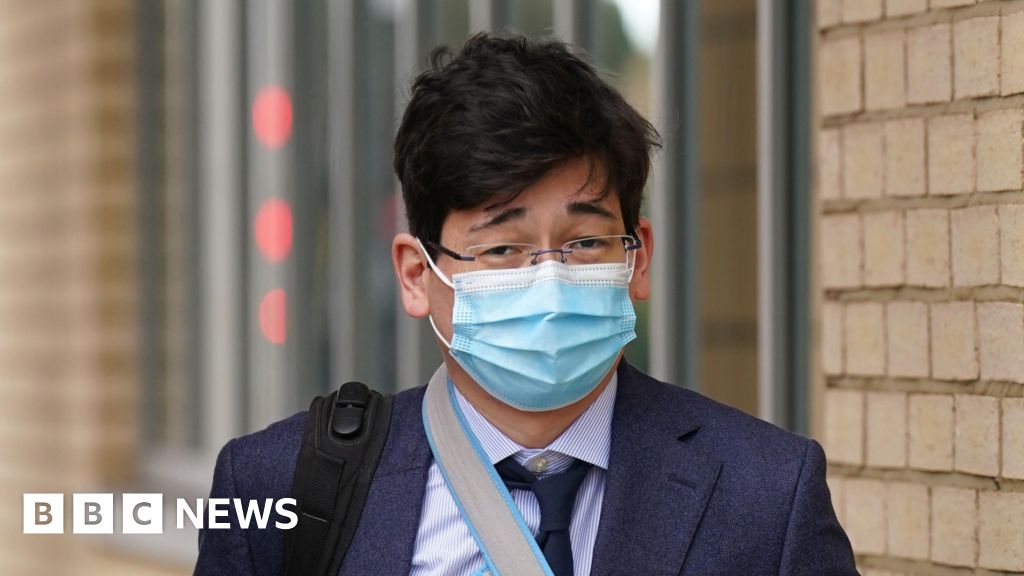
Doctor Banned: NHS Drug Theft & Chemsex Link
Doctor Stripped of Medical License After Chemsex Scandal Highlights Growing Public Health Concern
Dr. Jonathon Dean, a former trainee anaesthetist, has been permanently banned from practicing medicine after admitting to stealing powerful drugs from the NHS and using them during sexually explicit encounters, a practice known as ‘chemsex.’ The Medical Practitioners’ Tribunal Service ruled his actions “sexually motivated and exploitative,” raising critical questions about drug access within healthcare systems and the underreporting of harm related to chemsex. The case, initially surfacing in 2024, underscores a growing trend that public health officials are struggling to quantify and address.

The Anatomy of a Breach: From Hospital Theft to Exploitation
Dean’s crimes spanned from December 2018 to March 2024, during which he systematically stole cyclizine, ondansetron, propofol, midazolam and morphine from Whipps Cross Hospital in Leytonstone. He then drove to Cambridge in December 2018 to meet a woman, having pre-arranged “chemically enhanced sex.” The details, as reported by the BBC, reveal a calculated act of professional betrayal and a dangerous disregard for patient safety. The court heard he sent a message to the woman stating he “could have done anything” to her after injecting her with drugs during sex. This isn’t simply a case of individual misconduct; it’s a systemic failure that allowed a medical professional to exploit his position for personal gratification and potentially endanger a life.
Chemsex: A Hidden Epidemic and the Data Deficit
The Dean case isn’t isolated. A recent BBC investigation, as detailed in Attitude, reveals a disturbing lack of official recording of deaths linked to chemsex. Currently, the Office for National Statistics (ONS) only records overdoses involving specific drugs like GHB, failing to capture the broader spectrum of harm associated with combining sex and substances. Dr. Naomi Fitzgerald, a consultant in HIV and sexual health at King’s College London, points to the absence of a dedicated coding system for chemsex-related harms as a major obstacle. “At present we don’t have a code for Chemsex related drugs so if somebody comes in with a crystal meth intoxication then we cannot code that so it’ll be coded as drug intoxication,” she stated to the BBC. This data gap hinders effective resource allocation and preventative measures.
“The tribunal determined that the level of current and ongoing risk he poses to public protection is so significant that he should not be permitted to practice.”
— Medical Practitioners’ Tribunal Service, ruling on Dr. Jonathon Dean’s case.
The Legal and Ethical Fallout: Brand Equity and Professional Responsibility
The implications of Dean’s actions extend beyond the criminal charges and professional sanctions. This case represents a significant blow to the brand equity of the medical profession and raises serious questions about vetting processes within the NHS. Hospitals and healthcare organizations are now under increased scrutiny to demonstrate robust safeguards against drug theft and misuse. The incident also highlights the demand for enhanced training on ethical boundaries and professional conduct for all medical staff. When a healthcare institution faces this level of reputational damage, swift and decisive action is crucial. Organizations like specialized crisis PR firms are often brought in to manage the narrative and rebuild public trust. The potential for civil lawsuits related to patient harm necessitates proactive engagement with experienced medical malpractice legal counsel.
The Rise of Chemsex and Associated Risks
Chemsex, defined as the use of drugs to enhance, prolong, or facilitate sexual experiences, is increasingly prevalent, particularly within certain communities. As the BBC’s investigation highlights, while some participants report positive experiences, the practice carries significant risks, including increased susceptibility to sexually transmitted infections (STIs) like HIV and Hepatitis C, unpredictable drug interactions, and mental health issues. The practice often involves the use of drugs like crystal meth and GHB, which can lead to addiction and physical decline. North London Mental Health NHS Trust provides resources detailing these risks, emphasizing the increased sexual disinhibition and potential for needle sharing. The lack of comprehensive data on chemsex-related harms makes it difficult to assess the true scale of the problem and develop targeted interventions.
The Intersection of Addiction, Mental Health, and Legal Ramifications
The Dean case also underscores the complex interplay between addiction, mental health, and criminal behavior. While his actions are unequivocally reprehensible, understanding the underlying factors that contributed to his choices is crucial for preventing similar incidents in the future. Addressing the root causes of addiction and providing accessible mental health support are essential components of a comprehensive public health strategy. The legal ramifications for individuals involved in chemsex-related offenses can be severe, ranging from drug possession charges to sexual assault allegations. Navigating these legal complexities requires the expertise of specialized criminal defense attorneys who understand the nuances of these cases.
Looking Ahead: Strengthening Safeguards and Addressing the Data Gap
The case of Dr. Jonathon Dean serves as a stark reminder of the vulnerabilities within healthcare systems and the urgent need to address the growing public health concern of chemsex. Strengthening drug security protocols, enhancing professional training, and improving data collection are critical steps towards mitigating these risks. The NHS and ONS must prioritize the development of a dedicated coding system for chemsex-related harms to accurately measure the scope of the problem and allocate resources effectively. Increased investment in addiction treatment and mental health services is essential to support individuals struggling with substance abuse and promote safer sexual practices. The entertainment industry, often reflecting and influencing cultural trends, has a responsibility to engage in responsible storytelling and promote awareness of these issues. As the industry navigates increasingly complex ethical landscapes, the need for proactive legal counsel and robust crisis management strategies will only continue to grow.
Disclaimer: The views and cultural analyses presented in this article are for informational and entertainment purposes only. Information regarding legal disputes or financial data is based on available public records.