Do Any Other Animals Give Each Other Names?
Do other animals call each other by name, or is symbolic individualized vocal labeling a uniquely human linguistic milestone? Recent bioacoustic investigations suggest that select mammalian and avian species utilize specific, unique vocalizations to address individual conspecifics. However, establishing rigorous diagnostic frameworks remains a central challenge in behavioral biology.
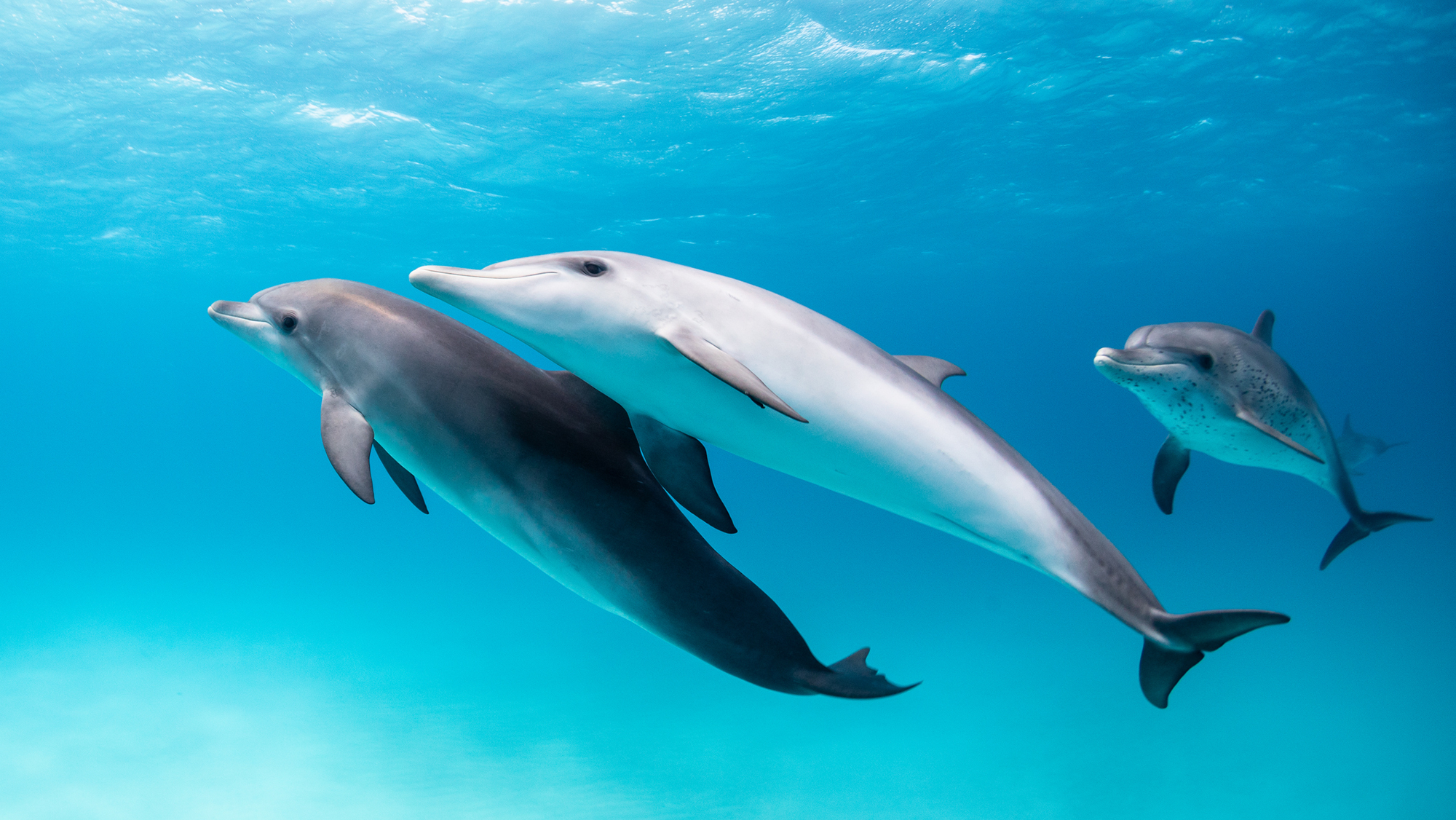
- Bottlenose dolphins (Tursiops) employ individually distinctive signature whistles that function as contact calls and direct identifiers within complex social systems, according to research cited by cognitive psychologist Kelly Jaakkola.
- Wild African elephants (Loxodonta) utilize distinct low-frequency rumbling vocalizations directed at specific herd members, as detailed in a 2023 preprint study led by behavioral ecologist Michael Pardo.
- Researchers in July 2026 proposed three universal criteria for animal naming—individual reference, symbolic representation, and shared meaning—to standardize cross-species comparative analyses.
Dolphin Signature Whistles and Individualized Auditory Recognition
Decades of behavioral research indicate that bottlenose dolphins possess sophisticated auditory identification capacities. In the 1960s, marine scientists discovered that young dolphins develop idiosyncratic signature whistles. According to Kelly Jaakkola, a cognitive psychologist at the Dolphin Research Center in Florida, dolphins assign these whistles to specific peers and match them during collaborative tasks and social integration events.
Playback experiments demonstrate that dolphins recognize individual peers based on whistle frequency modulation and contour shape, regardless of the vocal tone of the signaling animal. When dolphins initiate contact, they frequently copy the signature whistle of the intended recipient. This communicative mechanism parallels human naming structures by applying arbitrary, individualized auditory labels across aquatic environments.
Elephant Vocalizations and Social Coordination Studies
Terrestrial mammals exhibit parallel vocal labeling adaptations. In a 2023 preprint study led by Colorado State University behavioral ecologist Michael Pardo, wild African elephants were observed addressing one another using distinct low-frequency rumbles. Pardo described these signals as bearing acoustic similarities to a giant cat purring.

During controlled playback experiments, wild elephants approached acoustic speakers more rapidly and produced higher volumes of vocal responses when researchers broadcasted their specific individual identifier. This behavior occurs within fluid social networks that frequently fracture into smaller subgroups, requiring reliable long-distance communication channels.
Avian Vocal Labels in Parrots and Marmoset Primate Models
Avian species, particularly spectacled parrotlets (Forpus conspicillatus) native to Central and South America, also utilize learned vocal labels. Captive surveys conducted by University of Northern Colorado biologist Lauryn Benedict revealed that approximately half of surveyed parrot owners observed their birds employing learned vocal tags for household humans and companion animals. While captive birds often mimic human utterances without full linguistic comprehension, wild parrotlets demonstrate foundational vocal learning necessary for maintaining individual identity markers.
Conversely, primate studies present analytical complexities. Research involving marmosets suggests they direct specific vocalizations toward family members, yet published scientific critiques note that these calls show limited predictive accuracy, occasionally reflecting vocal imitation rather than symbolic naming.
Establishing Universal Diagnostic Criteria for Animal Naming
Defining an animal vocalization as a true name requires rigorous parameters. To resolve divergent interpretations across species, Kelly Jaakkola and colleagues published a framework in July 2026 outlining three minimum criteria:
- Individual Reference: A vocalization designated exclusively for one distinct individual.
- Symbolic Representation: The acoustic label mentalizes the specific individual in the user’s internal cognitive state.
- Shared Meaning: Mutual association of the acoustic label with the targeted individual by at least two group members.
When evaluated against these standards, bottlenose dolphins demonstrate the most robust empirical support for naming behaviors. Taxa such as elephants, parrots, and marmosets continue to require further documentation regarding symbolic cognitive representation. As comparative psychologists and ethologists expand their investigative methodologies, establishing standardized diagnostic definitions remains vital for understanding the evolutionary trajectory of language.
Disclaimer: The information provided in this article is for educational and scientific communication purposes only and does not constitute medical advice. Always consult with a qualified healthcare provider regarding any medical condition, diagnosis, or treatment plan.