
DNA Building Blocks Found on Asteroid: What It Means for Life’s Origins
Researchers in Japan have identified all five nucleobases – adenine, guanine, cytosine, thymine, and uracil – within samples retrieved from the asteroid Ryugu by the Hayabusa2 space probe, according to findings published this week. The discovery, while building on previous detections of individual nucleobases in extraterrestrial samples, resolves a prior inconsistency: earlier analyses of Ryugu material had failed to detect the full set of components despite their presence in other asteroid samples.
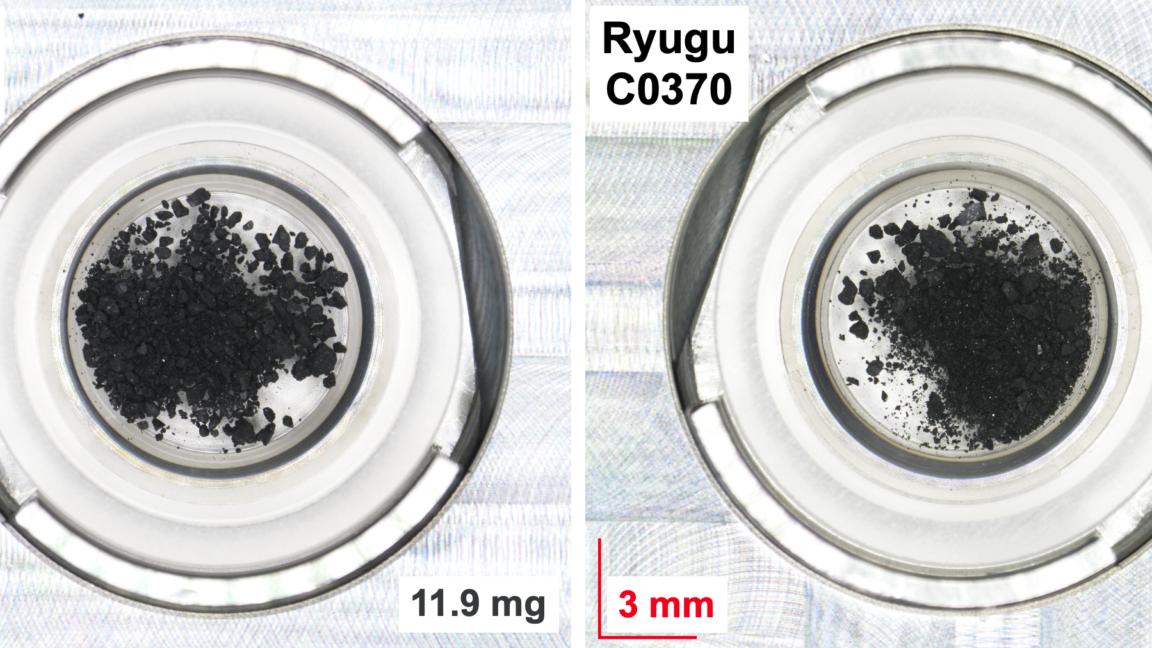
The nucleobases are fundamental building blocks of DNA and RNA, the molecules that carry genetic information in all known life forms. The presence of all five in Ryugu samples suggests these components can form without biological processes, bolstering theories about the potential for extraterrestrial delivery of these crucial molecules to early Earth. The Japan Aerospace Exploration Agency (JAXA) collected the samples from Ryugu between 2018 and 2019, returning them to Earth in December 2020.
This latest analysis, detailed in a paper published on March 17, 2026, builds on earlier work. Scientists had previously detected uracil in Ryugu samples, and similar nucleobases have been found in other meteorites. However, the complete set had eluded detection in Ryugu material until now. The findings broaden the understanding of organic molecules present in the early solar system, according to researchers at the Center for Astrochemistry.
The asteroid Ryugu is believed to have formed approximately 4.6 billion years ago, around the same time as the planets in our solar system. Due to the fact that of its relatively undisturbed state since formation, Ryugu offers a glimpse into the chemical conditions that existed during the solar system’s infancy. The detection of these nucleobases supports the idea that the raw materials for life could have been widely distributed throughout the solar system via asteroids.
Toshiki Koga, an astrochemist with the Japan Agency for Marine-Earth Science and Technology, who contributed to the initial analysis of the Ryugu samples, noted the significance of the complete detection. The research team meticulously studied the grains returned by Hayabusa2, focusing on identifying these nitrogen-containing organic molecules.
The Japanese space probe Hayabusa 2 successfully collected two samples from the carbon-rich asteroid, which orbits the sun between Earth and Mars. The mission involved several “touchdown rehearsals” prior to sample collection, ensuring precise and safe retrieval of the asteroid material. The samples have been undergoing extensive analysis since their return to Earth.
Further research is planned to investigate the specific mechanisms by which these nucleobases formed on Ryugu and how they might have been transported across the solar system. JAXA has not yet announced any further missions to Ryugu, but continues to analyze the existing samples.