DMI Warns of ‘Black Ice’ Across Denmark Sunday Morning
Road conditions will become dangerously slippery across parts of Denmark on Sunday due to the risk of black ice, according to weather authorities.
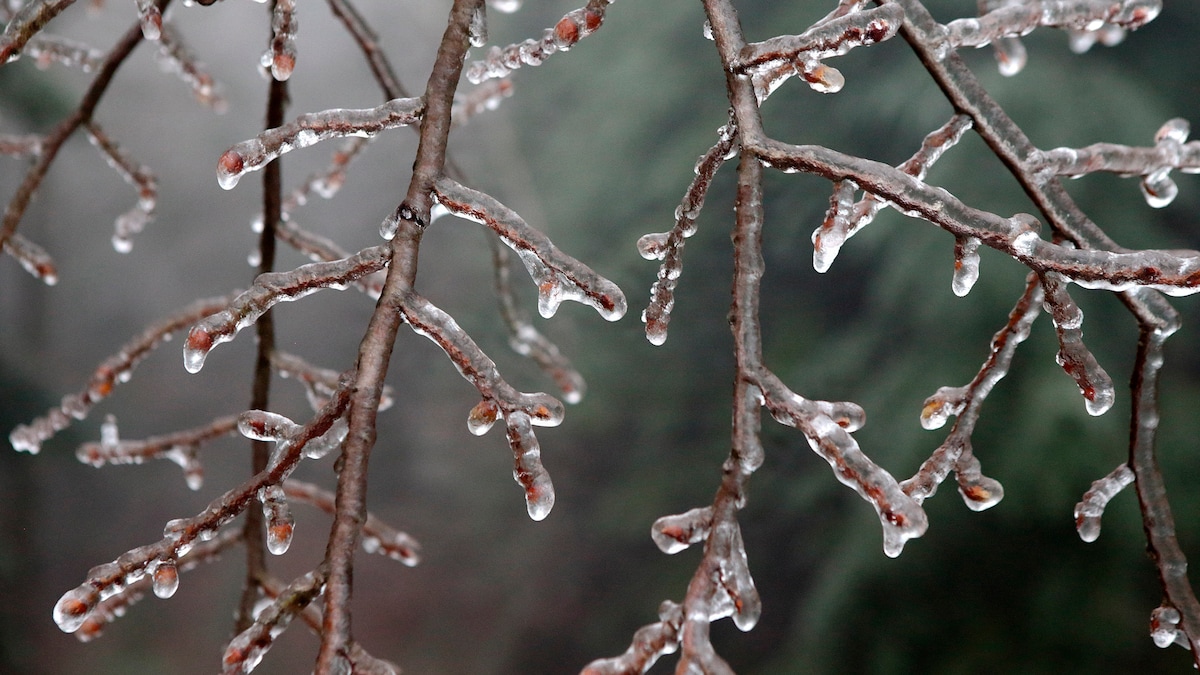
The phenomenon, known as black ice, occurs when undercooled raindrops make contact with a sub-zero surface and freeze instantly, DMI reported. “Black ice is tiny raindrops that are in liquid form, even though their temperature is actually negative. When they hit a surface, they freeze into ice immediately, and then it becomes mirror-slippery,” said Mette Zhang, a meteorologist on duty at DMI, according to Politiken.
The risk is highest in most of Jyllland, with the northernmost third of the peninsula expected to remain largely unaffected, according to DMI. “It begins early tomorrow morning around 06:00 in West Jyllland, and then it moves slowly eastward,” said Mette Zhang.
“It looks as though it will stay south of Karup and primarily in Jylland, if the models are correct.” Several models at DMI point to the risk of black ice affecting most of Jyllland.
The icy conditions are expected to start around 6:00 a.m. in West Jyllland and then move slowly eastward, primarily south of Karup.
DMI models show the high-pressure system over Russia is slowing the progress of the weather front, meaning the risk of black ice for Fyn and Sjælland is almost zero, DMI reported.
The rain that forms black ice often begins as snowflakes in the clouds, melts into rain in a warmer layer of air closer to the ground, and then cools again as it nears the surface, creating a hazard that is difficult for drivers to see.
Black ice can be hard to see, and therefore catches many drivers by surprise when it hits. The precipitation in black ice typically leaves the clouds as snowflakes but melts on its way toward the ground because it encounters a warmer air layer sandwiched between two cold air layers.
When the precipitation leaves the warm air layer and meets the cold again, the temperature drops below freezing, but the droplets do not have time to freeze into ice before they hit the ground.
DMI, the Danish Meteorological Institute, is Denmark’s official weather authority, responsible for forecasting and monitoring atmospheric conditions to protect public safety. DMI also reported homeowners could spread salt or gravel to mitigate dangers, as black ice occurs “several times each winter in Denmark.”
Homeowners in affected areas can spread salt or gravel in advance to mitigate the danger, DMI reported. Black ice occurs several times each winter in Denmark.