
Distraction Osteogenesis: Maxilla & Mandible Reconstruction After Trauma | Cureus
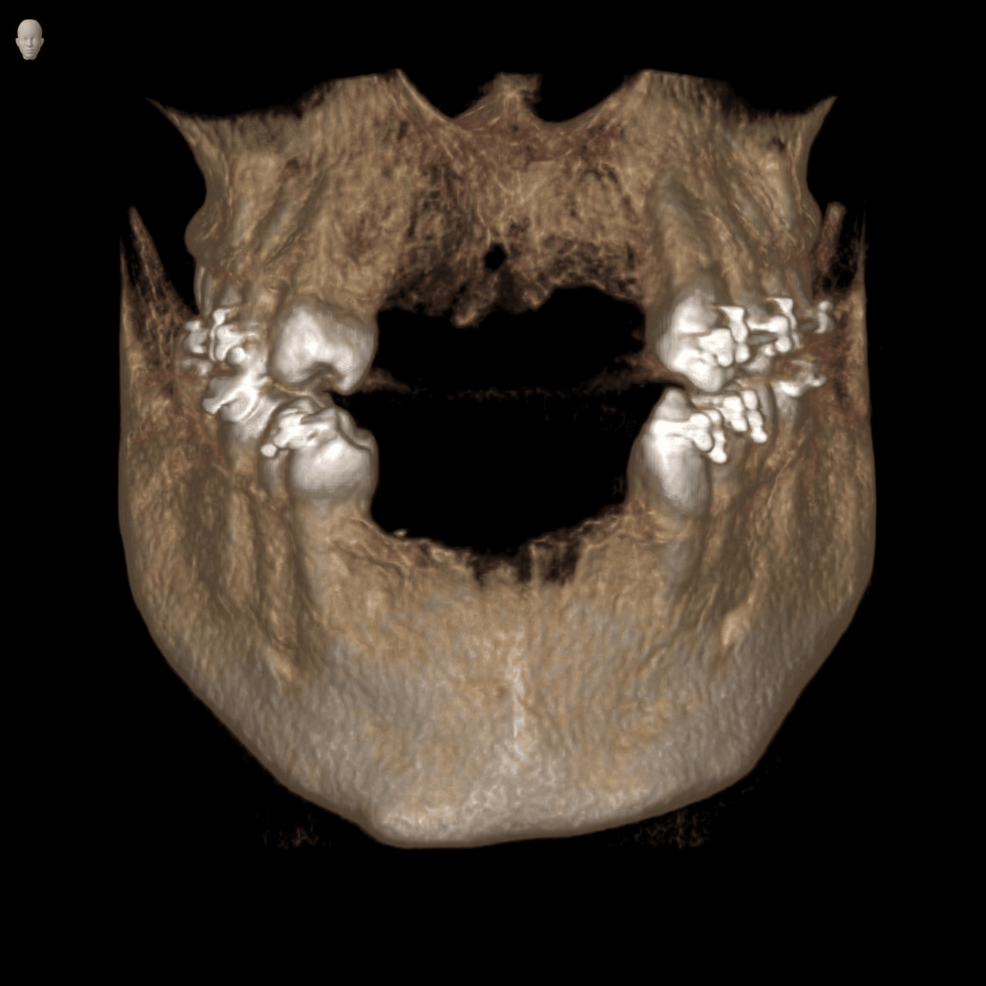
Surgeons in Saudi Arabia successfully reconstructed the anterior maxilla and mandible of a patient injured in a road traffic accident using distraction osteogenesis, according to a case report published in Cureus. The procedure, detailed in a report released March 2024, involved a complex series of surgical interventions and follow-up care.
The patient, whose details were not released, sustained significant facial trauma as a result of the accident. Distraction osteogenesis, a biological process of new bone formation, was employed to restore the damaged bone structures. The report outlines a meticulous approach to the reconstruction, focusing on restoring both form, and function.
Road traffic accidents are a significant cause of orthopedic injuries in Saudi Arabia. A 2021 study published in Annals of Medicine and Surgery examined orthopedic injury patterns resulting from road traffic accidents in the Aseer region of Saudi Arabia between 2011 and 2016. The study identified specific fracture types and locations commonly affected in such incidents. Although the Cureus case report does not specify the exact nature of the patient’s injuries beyond the anterior maxilla and mandible, it highlights the potential for severe facial trauma in these events.
The surgical team utilized a staged approach, initially performing the osteotomy – the cutting of bone – followed by a latency period allowing for soft tissue reorganization. A distraction device was then applied to gradually separate the bone segments, stimulating new bone growth in the gap. This process was carefully monitored, and the device was subsequently removed once sufficient bone consolidation was achieved. The report emphasizes the importance of precise planning and execution to minimize complications and optimize outcomes.
Recent data indicates a decline in road traffic accident-related fatalities in Saudi Arabia, particularly after 2016, coinciding with the implementation of Vision 2030 road safety initiatives. A study published in Nature analyzing trends from 2000 to 2023 showed a significant reduction in both injuries and fatalities. However, the study also noted regional disparities, with less urbanized areas experiencing higher mortality rates. The case report does not specify where the accident occurred, or whether the patient was treated in an urban or rural facility.
The Cureus report details the post-operative care provided to the patient, including regular monitoring for signs of infection, assessment of bone healing, and rehabilitation to restore facial function. The long-term success of distraction osteogenesis relies heavily on adherence to a comprehensive rehabilitation program.
The Saudi Open Data Portal continues to collect data on road traffic crashes, injury rates, and fatalities, providing a valuable resource for assessing the effectiveness of ongoing road safety measures. The data from 2021-2022 showed a sharp increase in traffic violations, suggesting ongoing challenges in compliance and enforcement, despite the overall decline in fatalities.