
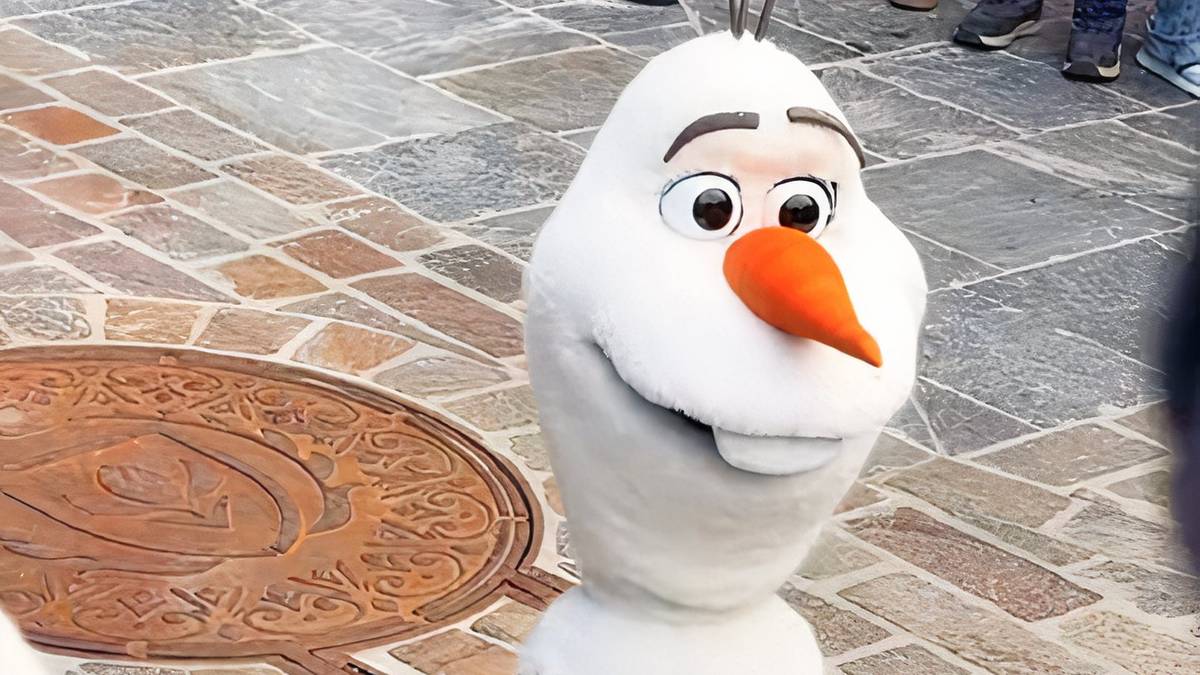
Disney’s AI Olaf Animatronic Malfunctions at Disneyland Paris Debut
Disney’s AI-driven Olaf animatronic malfunctioned during its Disneyland Paris debut on March 30, 2026, raising immediate liability and brand equity concerns. As Dana Walden assumes leadership, the incident tests Imagineering’s robotics integration against guest safety protocols and crisis management readiness in a hyper-connected media landscape.
The magic kingdom relies on illusion, but the machinery behind the curtain is increasingly visible. When the next-generation Olaf animatronic toppled over at Disneyland Paris, it wasn’t just a mechanical failure; it was a stress test for the newly configured Disney Entertainment leadership. The timing is precarious. Dana Walden only unveiled her revamped leadership team on March 16, 2026, promoting Debra OConnell to Chairman of Disney Entertainment Television just days before the robot’s fall. According to the official announcement via Deadline, Walden’s mandate spans film, TV, streaming and games, yet the physical parks remain the bedrock of the brand’s revenue stream. A glitch in Paris echoes louder than a streaming bug in Burbank.
The Uncanny Valley of Liability
Footage circulating on social media shows the three-foot robot freezing mid-interaction before tipping backward, its carrot nose detaching upon impact. While the crowd reaction ranged from laughter to concern, the legal implications are no joke. This isn’t a static ride fixture; This represents an autonomous unit powered by artificial intelligence, designed to roam freely among guests. The shift from controlled environments to dynamic interaction introduces a cascade of insurance and liability variables that standard theme park policies may not fully cover.
Entertainment attorneys specializing in robotics and IP liability note that the distinction between a prop and an autonomous agent changes the risk profile entirely. When a machine makes decisions via AI, the chain of accountability shifts from simple maintenance negligence to potential algorithmic failure.
“We are entering a phase where theme park attractions function as data-collecting entities. A malfunction isn’t just a repair job; it’s a potential data breach or safety litigation event,” notes a Senior Partner at a leading Los Angeles entertainment law firm.
This complexity demands specialized legal counsel capable of navigating both intellectual property rights and personal injury claims within the context of emerging tech.
For Disney, the immediate solution involves damage control. The brand cannot afford a narrative where their beloved characters become hazards. This is where the crisis communication firms and reputation managers earn their retainers. The goal is to frame the incident as a charming quirk rather than a safety failure, leveraging the inherent humor of a snowman falling down to diffuse tension. However, if injuries occurred, the strategy shifts from PR spin to rigorous legal defense.
Leadership Under the Microscope
The incident lands squarely in the lap of the new regime. With Debra OConnell now overseeing all Disney TV brands, the pressure is on to ensure cross-platform consistency. Reports from the Radio & Television Business Report confirm OConnell’s expanded oversight, yet the parks operate under a different divisional structure. The siloed nature of Disney’s conglomerate means Parks & Experiences must coordinate with Entertainment to ensure character integrity remains intact across physical and digital touchpoints. A malfunctioning Olaf in Paris undermines the polished image sold on Disney+.
the integration of AI voice talent, such as Josh Gad’s returned vocals, adds another layer of contractual nuance. SAG-AFTRA agreements regarding AI replication and voice usage are still being stress-tested across the industry. If the robot’s behavior deviates from the character’s established personality due to AI drift, it could trigger clauses related to moral rights or brand dilution. Studios investing in AI-driven attractions must secure intellectual property lawyers who understand the intersection of performance rights and robotics.
Operational Logistics and Guest Safety
Beyond the legal and PR fallout, the logistical reality of deploying roaming animatronics requires military-grade precision. The video shows cast members rushing to retrieve the fallen figure, highlighting the need for immediate human intervention protocols. Large-scale deployments of autonomous units require robust support systems. Production companies and park operators alike are increasingly sourcing contracts with regional event security and A/V production vendors who specialize in crowd control and tech maintenance.
The cost of innovation is high, but the cost of failure is higher. Box office economics dictate that franchise longevity depends on consumer trust. If guests perceive the parks as unsafe or the technology as unreliable, ticket sales suffer. Disney’s official press materials highlight the advancements in robotics, but the public judges based on performance. The industry is watching closely to see how quickly Imagineering can patch the software bugs without recalling the hardware.
Data from the Bureau of Labor Statistics indicates that arts and entertainment occupations are evolving to include technical oversight roles previously unseen in traditional performance sectors. Occupational requirements now span digital and physical domains, requiring a workforce fluent in both creative direction and engineering safety. This shift demands agencies that can recruit talent capable of bridging the gap between showmanship and software engineering.
The Path Forward for Imagineering
Disney will likely operate the bugs out of the little guy before putting him back on public display. As far as AI malfunctions move, a fainting Olaf is on the milder side of the spectrum compared to data breaches or safety incidents. However, in an era where every guest is a broadcaster with a 4K camera in their pocket, minor glitches become major headlines. The studio’s immediate move must be to deploy elite crisis management to stop the bleeding while engineering teams conduct a root cause analysis.
The future of entertainment lies in immersive experiences, but the infrastructure must support the ambition. As Walden stabilizes the leadership ship, the operational teams on the ground must ensure the magic doesn’t break under the weight of its own complexity. For businesses navigating similar launches, the lesson is clear: innovate aggressively, but insure comprehensively. The World Today News Directory connects brands with the vetted professionals required to manage these high-stakes deployments, from luxury hospitality sectors managing guest expectations to legal teams safeguarding the IP.
*Disclaimer: The views and cultural analyses presented in this article are for informational and entertainment purposes only. Information regarding legal disputes or financial data is based on available public records.*