
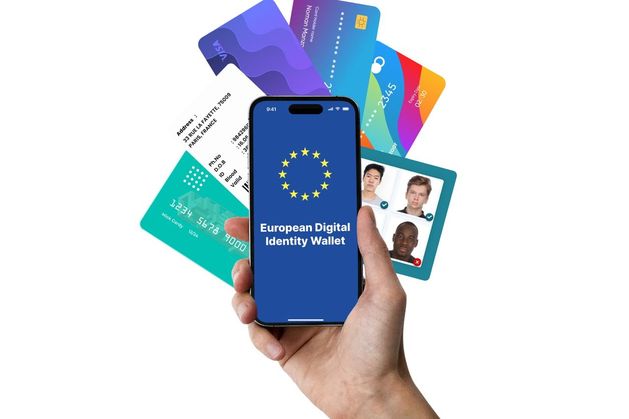
Digital Identity Wallet to be available by the end of the year
Ireland’s Cabinet has confirmed the rollout of a mandatory European Digital Identity Wallet by year-finish 2026, forcing banks and social platforms to overhaul legacy KYC infrastructure. This regulatory shift eliminates manual verification friction but imposes immediate capital expenditure requirements on private sector integrators to meet eIDAS 2.0 compliance standards before the Q4 deadline.
The clock is ticking on fiscal year 2026. With Minister for Public Expenditure Jack Chambers updating the Cabinet today, the abstract concept of digital sovereignty has crystallized into a hard deadline: public services must accept the wallet by December 2026, with private sector compliance following a year later. For the C-suites of Ireland’s banking sector and the global tech giants operating within its jurisdiction, this is not merely a software update. It is a balance sheet event.
The mandate stems from the broader European Union framework, specifically the revised eIDAS regulation. While the government frames this as a convenience for citizens registering births or taking driving tests, the backend reality involves a massive migration of identity data from siloed proprietary databases to a interoperable, state-verified protocol. The friction here is financial. Financial institutions currently spend an estimated 15% to 20% of their operational compliance budgets on customer onboarding and Know Your Customer (KYC) checks. The wallet promises to slash those costs, but the transition period creates a liquidity trap for mid-tier lenders lacking the engineering bandwidth to pivot.
The Compliance Cost Curve
Legacy verification systems are expensive. They rely on third-party data brokers, manual document review, and fragmented APIs that degrade user experience and increase drop-off rates during onboarding. According to data from the European Central Bank’s recent assessments on digital payment infrastructure, the average cost to onboard a retail customer in the EU remains stubbornly high due to anti-money laundering (AML) overhead. The Digital Wallet changes the unit economics.

But, integration is not free. Banks must now allocate capital to rebuild their authentication layers. This creates an immediate surge in demand for specialized cybersecurity and identity management firms capable of bridging the gap between legacy core banking systems and the new government-issued API standards. The institutions that fail to secure these partnerships risk falling behind on customer acquisition velocity as the market shifts toward instant, wallet-based verification.
The pressure is not limited to finance. The source material indicates that social media giants like Meta, X, and TikTok face a parallel mandate regarding age verification. Tánaiste Simon Harris has previously linked this infrastructure to the Online Safety Code, aiming to restrict access for users under 16. This moves the needle from voluntary safety measures to statutory requirements. For these platforms, the risk profile shifts from reputational damage to direct regulatory fines.
“The wallet will allow anyone to identify themselves online and offline on the territory of the EU. This is not just an Irish initiative; it is a continental shift in how digital trust is monetized and managed.”
Minister for Communications Patrick O’Donovan emphasized that age verification is “vital” for ensuring children are not exposed to harmful content. A voluntary pilot is launching immediately to test these waters. But pilots do not scale without robust architectural support. Tech giants will necessitate to consult with regulatory compliance consultancies to navigate the intersection of GDPR, the Digital Services Act, and this new identity mandate. The legal exposure for mishandling wallet data or failing to verify age correctly is substantial.
Operational Friction and Market Opportunity
The timeline creates a specific window of opportunity for B2B service providers. The government has outlined a two-stage approach: public consultation followed by voluntary testing for those over 16. This phased rollout allows agile enterprises to get ahead of the curve. While larger incumbents struggle with bureaucratic inertia, fintechs and neobanks can leverage the wallet to offer superior onboarding experiences.
Consider the supply chain of trust. The wallet acts as a single source of truth. For a bank, this reduces the risk of synthetic identity fraud, a plague that cost the global financial sector billions in 2025 alone. By offloading the verification burden to the state-backed wallet, institutions reduce their liability. Yet, the technical implementation requires precision. One broken API endpoint can halt customer onboarding entirely.
This is where the market corrects itself. Companies specializing in API integration and development become critical vendors. They are the plumbers of the new digital economy, ensuring that the flow of verified data from the government wallet to the private sector ledger is seamless, encrypted, and compliant. The demand for these services will spike as the Q4 2026 deadline approaches, driving up billing rates for top-tier integration specialists.
The Strategic Imperative for Q4
Businesses cannot wait for the final rollout to begin their preparation. The “legal obligation” cited by government spokesmen implies penalties for non-compliance. For credit institutions, accepting the wallet is not optional by the end of next year. The strategic imperative is clear: audit current identity management stacks immediately.
- Assess Legacy Debt: Determine if current KYC providers can interface with the eIDAS 2.0 wallet specifications.
- Budget for Integration: Allocate CAPEX for the necessary middleware to connect internal databases with the public wallet infrastructure.
- Secure Expert Counsel: Engage legal and technical experts who understand the nuances of the Online Safety Code and cross-border data sovereignty.
The Digital Identity Wallet is more than a civic tool; it is a market disruptor. It redistributes power from private data holders to the public sector, fundamentally altering the cost structure of trust. For the astute business leader, the question is not whether to adopt, but how quickly one can integrate to capture the efficiency gains before competitors do.
As the pilot phase begins this month, the window to secure the right technical partners is narrowing. The World Today News Directory tracks the vetted B2B entities ready to execute this transition. Whether you require high-level strategic management consulting to navigate the regulatory landscape or hands-on engineering teams to build the bridge, the infrastructure for the future of Irish commerce is being laid today. The firms that act now will define the market; those that wait will simply pay the compliance tax.