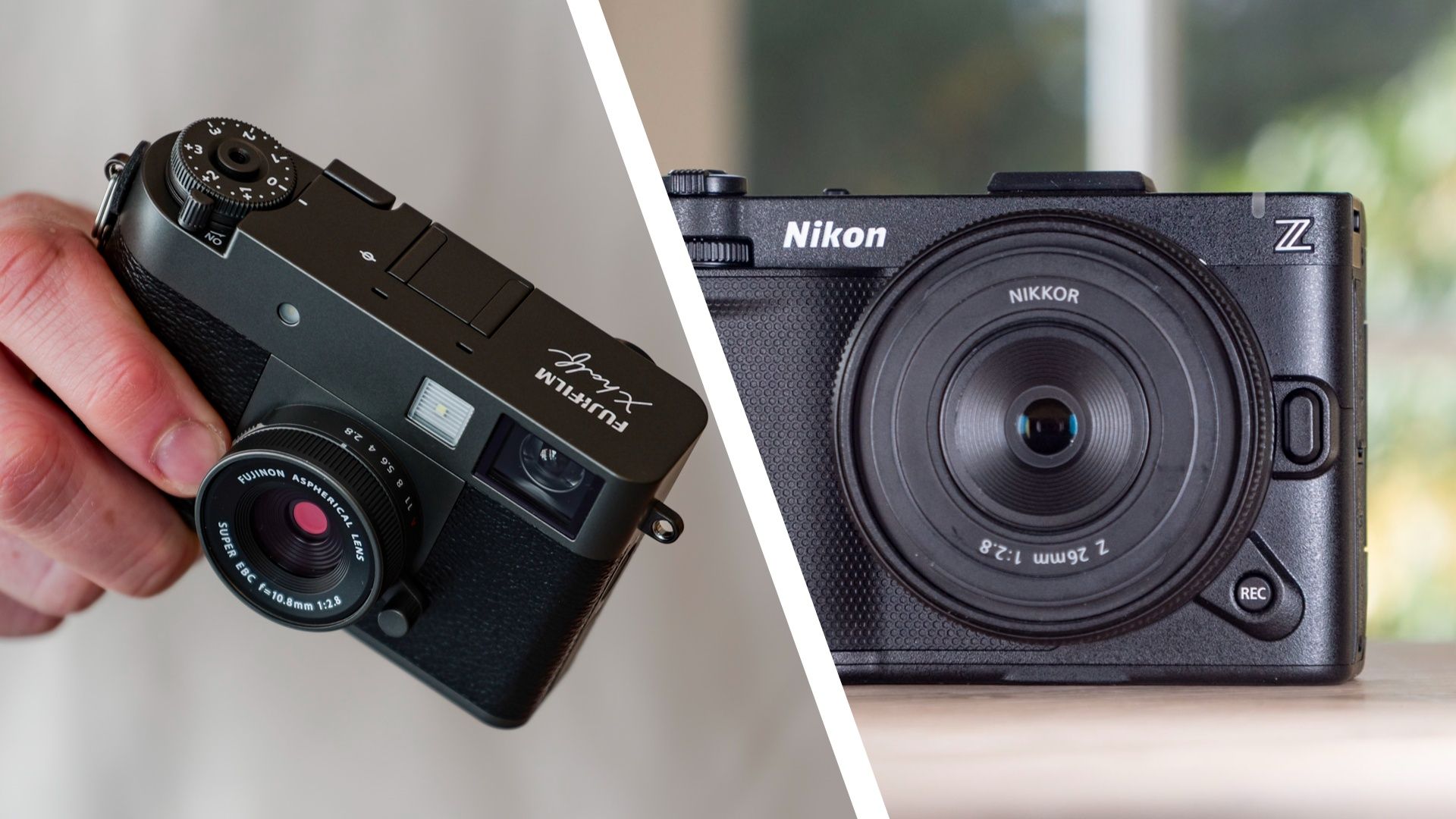
Digital Camera Sales Rise as Fujifilm Overtakes Nikon
Fujifilm has surpassed Nikon in global digital camera market share, according to recent industry data. The shift marks a significant change in the competitive landscape for photography equipment, as the overall market for digital cameras shows signs of stabilization and growth after years of decline driven by the rise of smartphones.
## Market Shift and Fujifilm’s Growth
The latest figures, as reported by TechRadar, confirm that Fujifilm has overtaken Nikon in terms of market volume. This development follows a period where Fujifilm focused heavily on its X-series and GFX-series mirrorless systems, targeting both professional photographers and the growing enthusiast market. By prioritizing APS-C and medium-format sensors, the company carved out a distinct niche that separates it from the full-frame competition dominated by Sony, Canon, and Nikon.
Nikon, which has long been a pillar of the professional photography industry, continues to hold a substantial presence with its Z-series mirrorless lineup. However, the company’s recent performance reflects a broader industry trend where manufacturers are increasingly reliant on high-end, premium-priced equipment to maintain revenue despite lower total unit sales compared to the peak years of the early 2000s.
## Industry Stabilization
The digital camera market is currently undergoing a structural transition. After sharp declines caused by the ubiquity of high-quality smartphone cameras, the industry has seen a resurgence in demand for dedicated hardware. This is largely attributed to a sustained interest in “retro” aesthetics, the popularity of film-style digital color science, and the specific ergonomic advantages that dedicated camera bodies provide over mobile devices.
While total unit shipments remain far below historical peaks, the average selling price for digital cameras has climbed. Manufacturers are shifting resources away from entry-level point-and-shoot cameras—a segment now entirely subsumed by smartphones—and toward specialized tools for content creators, hybrid shooters, and photography hobbyists.
## Competitive Positioning
The gap between the top players remains narrow. Canon continues to lead the market in total unit share, followed by Sony. Fujifilm’s move into the number three spot—or a higher position depending on the specific reporting metric—highlights the success of its strategy to focus on tactile, physical dials and film-simulation modes.
Nikon has maintained its focus on the professional segment, particularly with the high-performance Z8 and Z9 models, which have been central to its recovery efforts in the mirrorless era. The company has not yet provided a detailed response to the latest market share rankings, as internal planning cycles for the next fiscal quarter remain ongoing.