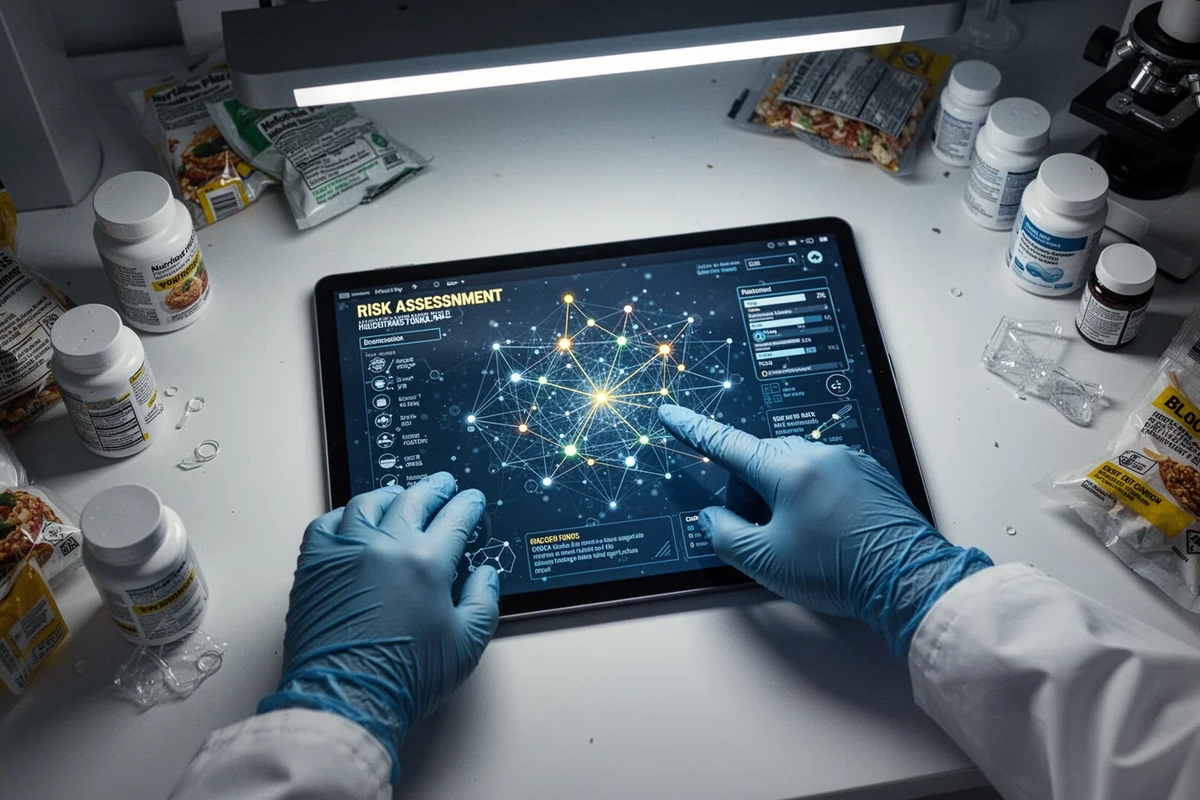
Diet-MisRAT: New Tool Evaluates Risks of Nutrition Myths
The digital landscape is saturated with dietary advice that is not necessarily false, but dangerously incomplete. This subtle nuance—the gap between a factual statement and a misleading framing—is where the most significant public health risks currently reside, often bypassing traditional fact-checking mechanisms entirely.
Key Clinical Takeaways:
- Transition from binary “true/false” detection to a graded, five-tier risk assessment (very low to very high).
- Utilization of a rule-based model grounded in World Health Organization (WHO) hazard risk assessment principles.
- Validation across five distinct tiers, including expert professionals and generative AI, to ensure scalable and reliable detection.
For decades, the medical community has relied on binary judgments to combat misinformation. Content was either accurate or inaccurate. However, this approach fails to capture the cumulative and contextual ways in which misleading health information influences patient behavior. When a restrictive diet or an extreme fasting protocol is presented with a grain of truth but omits critical contraindications, it creates a vulnerability that binary labels cannot address. This systemic gap in oversight has contributed to a rise in preventable harm, including the unsafe use of dietary supplements, which are estimated to account for 20% of drug-induced liver injuries in the United States alone.
To mitigate this morbidity, a team of researchers at University College London (UCL) has developed the Diet-Nutrition Misinformation Risk Assessment Tool (Diet-MisRAT). This innovation represents a shift toward a more sophisticated, clinical approach to informational hygiene. Rather than merely spotting a lie, the tool evaluates the potential for harm, treating online content as a medium and its misleading traits as “risk agents” that increase recipient susceptibility.
“When it comes to diet and nutrition, misinformation often operates through selective framing that masks potential health risks. Harmful misleading content tends to fly under fact-checkers’ radars and escape meaningful oversight until high-profile cases make the headlines.” — Alex Ruani, Lead Author and Developer, UCL Institute of Education
The Architecture of the Misinformation Risk Assessment Model
The foundation of this tool is the Misinformation Risk Assessment Model (MisRAM), which adapts the World Health Organization’s established approach for assessing hazardous exposures in physical settings and applies it to digital environments. By conceptualizing misleading content as stratifiable agents of informational adverse effects, the model allows for a weighted risk score. This score categorizes material into a intuitive “traffic light” system: green, amber, or red.

The Diet-MisRAT evaluates medium-to-long form content across four critical risk dimensions: inaccuracy, incompleteness, deceptiveness, and health harm. This multidimensional analysis ensures that content which is technically “true” but strategically incomplete—such as promoting a supplement even as omitting its toxicity profile—is flagged for its potential to mislead vulnerable populations. For individuals who have already begun implementing extreme dietary protocols found online, the risk of metabolic imbalance or organ stress is significant. We see imperative that these patients seek guidance from licensed nutrition specialists to reconcile online trends with evidence-based clinical needs.
Validation and the Role of Generative AI in Public Health
The rigor of the Diet-MisRAT was established through five distinct validation rounds, ensuring its concurrent validity and interpretability. The tool was tested against a hierarchy of reviewers: expert reviewers, trainee dietitians, postgraduate nutrition students, and highly experienced nutrition professionals. This layered approach ensured that the tool’s risk estimates aligned with professional clinical judgment.
A pivotal aspect of the study, published in Nature, was the integration of zero-shot prompt-based generative AI. ChatGPT was utilized under blinded, untuned conditions to detect risk. The results indicated high test-retest reliability, precision, and sensitivity, suggesting that expert-designed prompting can overcome the inherent limitations of AI training datasets. This suggests a future where scalable, AI-driven oversight can provide a first line of defense against the “infodemic” of nutrition myths.
The potential for severe clinical outcomes, such as the aforementioned liver injuries associated with unsafe supplement use, necessitates a rapid response. Patients presenting with unexplained hepatic dysfunction or systemic toxicity related to “wellness” products require immediate intervention from board-certified hepatologists to manage potential drug-induced liver injury (DILI) and stabilize hepatic function.
Moving Toward Proportionate Regulatory Intervention
The deployment of Diet-MisRAT offers a scalable alternative to the current binary detection methods. By providing a graded risk estimate, health authorities and platform regulators can implement proportionate interventions. Very high-risk content can be flagged for immediate removal or countered with urgent misinformation inoculation, while low-risk content may simply require a corrective footnote.

This shift toward risk stratification is not merely a technical improvement but a regulatory necessity. As the volume of health data increases, the ability to prioritize the most harmful content is essential for public safety. Organizations tasked with content oversight and digital health regulation are increasingly requiring the expertise of public health regulatory consultants to integrate these risk-assessment models into their operational frameworks.
The development of Diet-MisRAT by UCL researchers marks a critical evolution in the fight against health misinformation. By moving away from the simplistic “true or false” dichotomy and embracing a model of hazard risk, the medical community can better protect the public from the insidious effects of selective framing. The future of public health depends on our ability to not only identify the lie but to quantify the danger it poses to the patient.
As we move toward more integrated digital health monitoring, the synergy between expert clinical knowledge and AI-driven detection will be the primary defense against the erosion of evidence-based nutrition. For those navigating the complexities of dietary health, relying on vetted, professional medical directories remains the only gold standard for ensuring patient safety and clinical efficacy.
Disclaimer: The information provided in this article is for educational and scientific communication purposes only and does not constitute medical advice. Always consult with a qualified healthcare provider regarding any medical condition, diagnosis, or treatment plan.