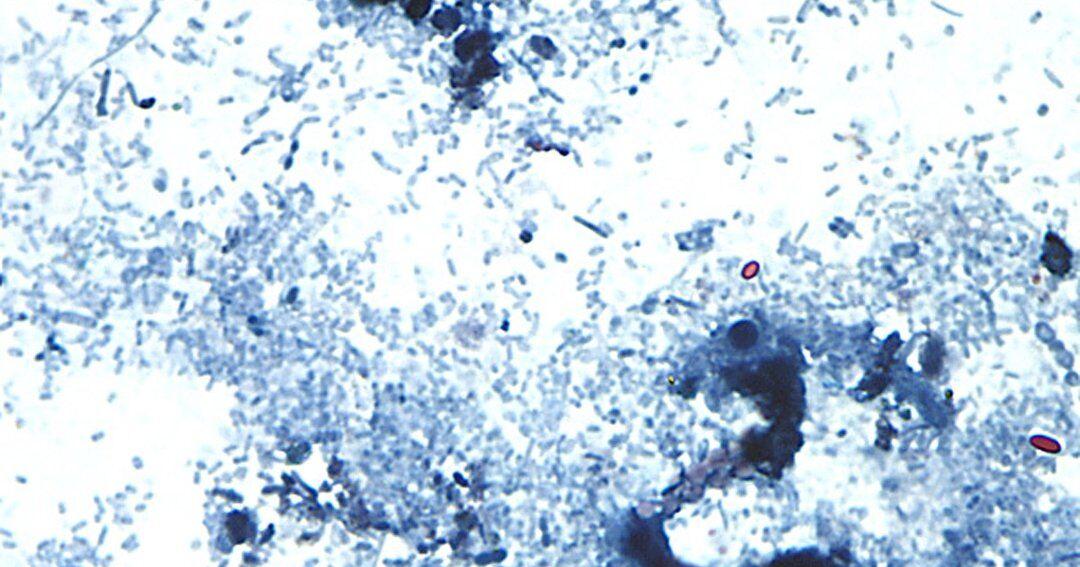
Diarrhea-Causing Parasite Outbreak Surpasses 1,000 Cases
Public health officials are tracking a significant surge in parasitic infections, with confirmed cases of cryptosporidiosis now exceeding 1,000 across the affected region. The outbreak, primarily linked to exposure in recreational water facilities, underscores a persistent vulnerability in municipal sanitation and public hygiene protocols. Epidemiological data indicates that the parasite, Cryptosporidium, remains highly resistant to standard chlorine-based water treatments, complicating containment efforts for local health authorities.
Key Clinical Takeaways:
- Cryptosporidiosis is a diarrheal illness caused by Cryptosporidium, a microscopic parasite that thrives in contaminated water.
- Standard chlorine disinfection protocols are often insufficient to eliminate the parasite, allowing it to persist in swimming pools and splash pads.
- Individuals with compromised immune systems face the highest risk of severe morbidity and should seek immediate medical evaluation if symptomatic.
Epidemiological Mechanisms and Pathogenesis
The current rise in cases follows a predictable, albeit concerning, trajectory common to waterborne enteric pathogens. Cryptosporidium is characterized by its robust oocyst stage, which allows it to survive in harsh environmental conditions for extended periods. According to the Centers for Disease Control and Prevention (CDC), the primary mode of transmission is the fecal-oral route, frequently occurring when swimmers ingest water contaminated by an infected individual. Because the parasite is shielded by a thick outer shell, it can withstand concentrations of chlorine that would typically neutralize bacteria like E. coli.
For patients who are immunocompromised, including those undergoing chemotherapy or living with advanced HIV/AIDS, the infection can progress beyond self-limiting diarrhea to chronic, life-threatening dehydration and malnutrition. Clinical management typically focuses on supportive care, as therapeutic options remain limited. While nitazoxanide is an FDA-approved treatment for immunocompetent individuals, its efficacy in patients with severe underlying immune deficiencies is inconsistent, often necessitating a multi-disciplinary approach to restore fluid and electrolyte balance.
Public Health Infrastructure and Regulatory Gaps
The scale of this outbreak highlights a critical need for enhanced monitoring of recreational water quality. Current surveillance models rely heavily on self-reporting by facilities and symptomatic reporting by clinicians, which often creates a lag in identifying the source of an outbreak. Public health entities are currently evaluating the implementation of more rigorous, real-time molecular diagnostics to detect the presence of Cryptosporidium DNA in water samples, a process that moves beyond traditional, less sensitive culture-based methods.

For healthcare providers managing high-risk patients, the diagnostic standard of care involves stool antigen testing or molecular assays such as polymerase chain reaction (PCR). Those observing clusters of gastrointestinal distress in their patient populations are encouraged to engage with [Vetted Diagnostic Laboratories] to expedite pathogen identification and coordinate reporting with regional health departments. Early detection is a primary determinant in preventing systemic spread within residential and clinical settings.
Clinical Management and Patient Triage
The clinical burden of this outbreak is not distributed evenly. While healthy adults often experience acute, self-limiting symptoms, the potential for secondary transmission within households and care facilities remains high. Practitioners must prioritize education on hygiene, specifically the importance of excluding symptomatic individuals from public water venues for at least two weeks post-resolution of symptoms.
If you or your patients require specialized consultation regarding persistent gastrointestinal pathogens, it is critical to consult with [Board-Certified Infectious Disease Specialists] who can navigate the complexities of refractory parasitic infections. Furthermore, facilities currently facing increased patient volumes or requiring assistance with infection control compliance should contact [Healthcare Compliance Consulting Services] to ensure adherence to evolving public health directives and limit potential liability during this period of heightened transmission.
Future Trajectory of Diagnostic Surveillance
As research into more effective water filtration and advanced oxidation processes progresses, the focus remains on mitigating the immediate impact on the population. Integrating genomic surveillance into public health responses will likely become the standard for managing future waterborne outbreaks. By identifying specific strains of Cryptosporidium, researchers can better understand the transmission dynamics and refine public health interventions. Ensuring that clinical practice remains aligned with the latest epidemiological findings is essential for curbing the morbidity associated with this ongoing event.
Disclaimer: The information provided in this article is for educational and scientific communication purposes only and does not constitute medical advice. Always consult with a qualified healthcare provider regarding any medical condition, diagnosis, or treatment plan.
Related reading