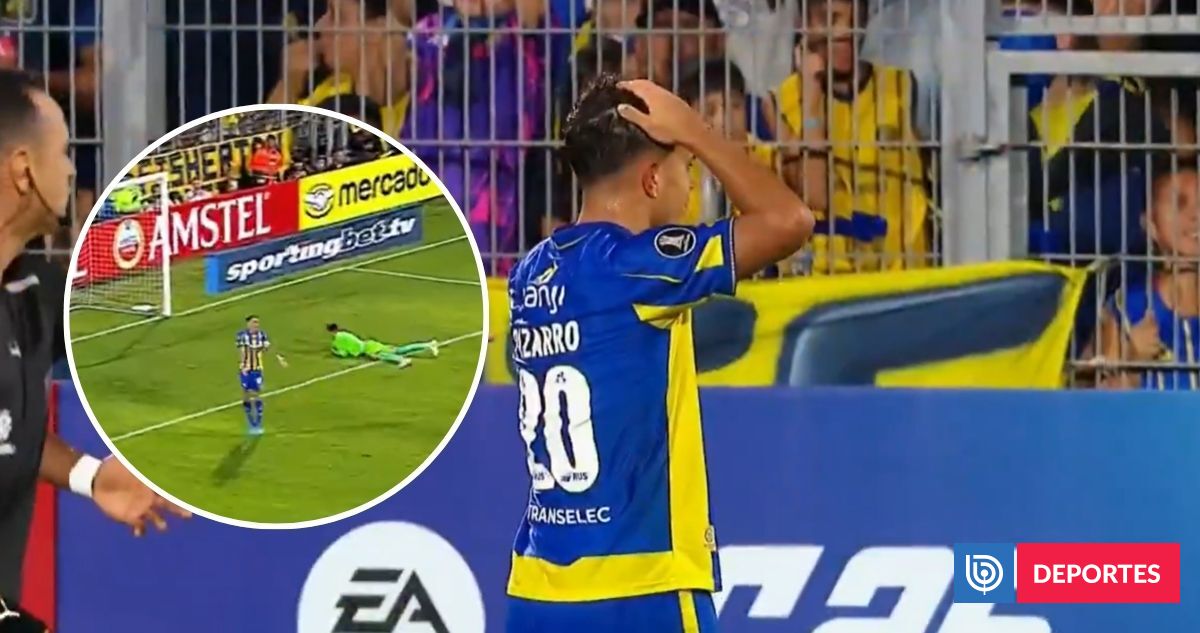
Di María’s Fury at Vicente Pizarro Goes Viral in Libertadores Clash
Angel Di María expressed visible frustration with teammate Vicente Pizarro during Rosario Central’s recent Copa Libertadores draw, highlighting a critical breakdown in tactical synchronization. The clash in Rosario underscores the friction between veteran elite playmaking and the adaptation curve of incoming talent during the high-stakes South American continental campaign.
The friction on the pitch wasn’t just a momentary lapse in chemistry; it was a systemic failure in the “final third” execution. When a player of Di María’s pedigree—a man who has operated at the pinnacle of the Champions League and World Cup finals—demands a specific passing lane, he is communicating a tactical blueprint. Pizarro’s failure to deliver the ball in a high-leverage moment creates a vacuum in the offensive flow, turning a potential goal-scoring opportunity into a stagnant possession. This is the classic “veteran-rookie” divide: the gap between an instinctive understanding of space and the mechanical execution of a player still adjusting to the pace of Argentine football.
From a strategic standpoint, this tension is amplified by the current timing of the Copa Libertadores group stages. Every single point is a currency that determines survival. For Rosario Central, the inability to convert these high-xG (Expected Goals) sequences into actual goals isn’t just a sporting failure; it’s a financial risk. The club’s ability to advance deep into the tournament directly impacts their broadcast revenue shares and sponsorship bonuses, which are critical for maintaining a competitive wage structure in a volatile economy.
The Tactical Friction: Expected Threat vs. Execution
Looking at the raw optical tracking data and passing networks, Di María continues to operate as the primary engine of Expected Threat (xT). His movement is designed to stretch the defensive line, creating “half-spaces” that teammates are expected to exploit. When Pizarro failed to return the pass, he didn’t just miss a teammate; he ignored a tactical trigger. In modern football, this is a failure of periodization in training—where the tactical drills in the training ground aren’t translating to the chaotic environment of a match.
“The gap between a world-class winger and a developing midfielder is often found in the ‘half-second’ decision. If the ball doesn’t arrive at the exact angle of the run, the entire attacking sequence collapses. It’s not about skill; it’s about spatial intelligence,” says tactical analyst Marcus Thorne.
This lack of cohesion often leads to increased physical strain on the veteran. When the supporting cast fails to maintain the structural integrity of the attack, players like Di María are forced into over-extending their efforts to compensate, increasing the risk of soft-tissue injuries. While the pros have elite internal medical staffs, aspiring athletes in the region facing similar high-intensity load issues must secure vetted local orthopedic specialists and rehab centers to avoid long-term career-ending setbacks.
Economic Ripple Effects in Rosario
The mood of the city is intrinsically tied to the performance of the Canalla. A stalemate in the Libertadores doesn’t just affect the standings; it impacts the local hospitality sector. Matchday in Rosario triggers a massive surge in demand for short-term lodging and dining. When the team struggles or the atmosphere turns toxic due to on-field disputes, the “halo effect” on local businesses diminishes. The volatility of the fan base can lead to security concerns that force the club to source regional event security and premium hospitality vendors to manage the crowds and protect the stadium infrastructure.
the pressure on Vicente Pizarro is immense. As a Chilean import trying to carve a niche in the Argentine Primera, his market value is tied to his ability to coexist with superstars. A perceived lack of chemistry with Di María can lead to a “valuation dip” in the eyes of scouts and agents. This is where the intersection of sports and law becomes critical. Contractual clauses regarding playing time and performance bonuses are often triggered by these very dynamics, necessitating the expertise of specialized sports contract lawyers to navigate the complexities of international transfers and image rights.
The Scouting Report: Pizarro’s Adaptation Curve
To understand why this clash occurred, one must look at the technical requirements of the role. Pizarro is tasked with the pivot role—the bridge between the defensive transition and the creative spark. His debut in the “copero” (continental) stage revealed a deficit in “game intelligence” under pressure. While his physical metrics are sound, his decision-making in the final third lacks the fluidity required to service a player of Di María’s caliber.

For Pizarro to survive the scrutiny of the Argentine press and the fury of a veteran teammate, he must improve his scanning frequency. Elite midfielders scan the field every 2-3 seconds to map out the opposition’s drop coverage and their own teammates’ trajectories. Pizarro’s failure to “see” Di María’s run is a diagnostic indicator that his mental processing speed is currently lagging behind the physical pace of the game.
“Integration is the hardest part of a mid-season transfer. You aren’t just learning a system; you’re learning the non-verbal language of your teammates. Pizarro is currently speaking a different dialect than Di María,” notes veteran scout Elena Rossi.
The Path Forward: Synergy or Schism
As Rosario Central moves forward in the tournament, the coaching staff faces a binary choice: force the chemistry through rigorous tactical drilling or pivot the system to reduce the reliance on a singular creative link. If the friction persists, the locker room atmosphere can deteriorate, leading to a breakdown in collective morale. The financial stakes are too high for the club to allow a personality clash to derail their continental ambitions.
The trajectory of this partnership will likely be decided in the next three fixtures. If Pizarro can align his delivery with Di María’s movement, they could become one of the most lethal combinations in the region. If not, Pizarro may find himself as a casualty of the high-pressure environment of Argentine football, where “almost fine enough” is an invitation to the bench.
For those following the intersection of elite athletics and the business of sport, the dynamics at Rosario Central serve as a case study in the fragility of team chemistry. Whether you are a professional athlete managing a high-value contract or a local business owner capitalizing on the sports economy, the need for vetted, professional guidance is paramount. From legal protection to medical recovery, the World Today News Directory remains the premier resource for finding the specialized professionals who keep the machinery of global sports running.
Disclaimer: The insights provided in this article are for informational and entertainment purposes only and do not constitute medical advice or sports betting recommendations.