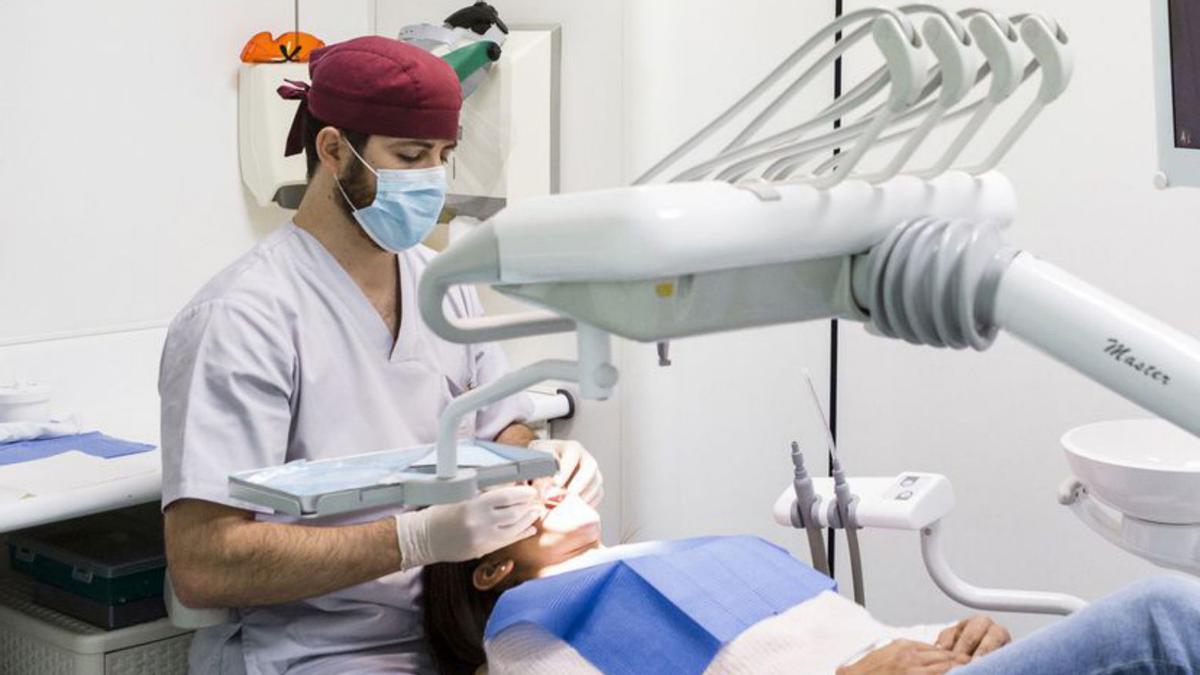
Dental Care Burden in Extremadura Households
While general medical expenditures in Extremadura have remained more stable than the Spanish national average, a critical vulnerability persists in oral healthcare. Recent data reveals a systemic financial barrier to dental services, transforming essential preventative care into a luxury that the vast majority of households struggle to afford.
Key Clinical Takeaways:
- Extremadura’s medical assistance burden (7%) remains lower than the Spanish national average of 8.4% for 2025.
- Dental care is the most significant financial hurdle, with only 20% of regional households reporting no financial burden from visits.
- Pharmaceutical costs are exerting increasing pressure, with “heavy burden” reports rising from 5.0% in 2022 to 6.2% in 2025.
The latest health module from the Instituto Nacional de Estadística (INE) Living Conditions Survey exposes a widening gap between general medical access and specialized dental care. In the public health landscape, this disparity is not merely a financial metric but a clinical risk factor. When households perceive dental visits as a heavy burden, the immediate result is the deferral of preventative treatments, which inevitably leads to higher morbidity and more complex, costly interventions in the future. This trend is mirrored nationally, where approximately 68% of Spaniards have reduced their visits to the odontologist due to economic constraints.
The Divergence Between General Medicine and Specialized Oral Care
Analyzing the 2025 data, Extremadura has demonstrated a relative resilience in containing the impact of general medical costs. Only 7% of households categorized medical assistance—including family doctors and specialists—as a “heavy burden.” This is a marginal increase from the 5.6% reported in 2022, yet it remains notably lower than the 8.4% seen across Spain. For a significant portion of the population, the system is functioning within a manageable range. 63.9% of families in the region report that general medical expenses pose no burden at all, while 24.1% view the cost as reasonable.

This “feeling of relief” in Extremadura, also noted in regions like Navarra and Murcia, stands in stark contrast to the situation in the Canary Islands, where over 44% of households report some form of burden from medical costs. But, this relative stability in general medicine masks a severe crisis in dentistry. The data indicates that only two out of ten households in Extremadura find dental visits financially effortless. This suggests that for 80% of the population, oral health is a source of economic stress, making it the most hard sanitary expenditure to assume.
From a clinical perspective, the avoidance of dental care is a precursor to systemic inflammation and chronic oral pathologies. Periodontal disease, if left untreated due to cost barriers, is linked to broader health complications. For patients realizing that their oral health is deteriorating, it is imperative to seek vetted dental specialists who can provide structured treatment plans to mitigate long-term morbidity.
Pharmaceutical Pressures and Medication Dependency
The economic weight of medications continues to be a persistent challenge for the regional budget. In 2025, 6.2% of Extremaduran households described the cost of medicines as a heavy burden, an increase from 5.0% in 2022. While this remains slightly below the national average of 6.7%, the upward trajectory is concerning. This trend suggests that inflationary pressures on pharmaceutical products are outpacing the financial capacity of the most vulnerable populations.
Interestingly, the proportion of households that reported consuming no medications dropped from 7.6% in 2022 to 5.1% in 2025. This shift may indicate an increase in the diagnosis of chronic conditions requiring long-term pharmacological management or a higher utilization of the healthcare system. As medication dependency grows, the risk of non-compliance due to cost increases. Patients managing complex medication regimens should coordinate closely with primary care physicians to optimize therapy and explore more cost-effective pharmaceutical alternatives.
The contrast between the 63.9% of households facing no burden in general medicine and the mere 20% facing no burden in dentistry highlights a critical failure in the accessibility of oral healthcare.
Socioeconomic Determinants and Healthcare Infrastructure
The disparity in healthcare burdens is a reflection of broader socioeconomic determinants. The INE survey highlights that while the regional government has managed to preserve general medical costs lower than the national average, the lack of comprehensive coverage for dental care creates a “health breach.” When 68% of the population reduces dental visits, the public health system shifts from a preventative model to a reactive one, dealing with advanced infections and tooth loss that could have been avoided.
the regional discourse has shifted toward the management of healthcare surpluses. We find ongoing criticisms regarding the lack of transparency and response concerning the leverage of these surpluses to improve services. For healthcare administrators and providers, navigating the legalities of fund allocation and surplus usage requires precise navigation of regional regulations. In these instances, organizations often rely on healthcare compliance attorneys to ensure that financial resources are legally and efficiently redirected toward improving patient access.
The biological cost of this economic gap is significant. The link between oral health and systemic wellness is well-documented in peer-reviewed literature, such as studies found on PubMed and guidelines from the World Health Organization (WHO), which emphasize that oral diseases are often a manifestation of social inequalities. The current data from Extremadura serves as a regional case study in how economic barriers can selectively disable specific components of a healthcare system, even when general medical access remains relatively stable.
Looking forward, the trajectory of healthcare expenditure in Extremadura will likely depend on whether the region can bridge the gap in dental affordability. Without a systemic shift in how oral health is funded or subsidized, the trend of reduced visits will likely persist, leading to a surge in emergency dental cases and associated systemic comorbidities. The objective for the coming years must be to transform dental care from a financial burden into a standard of care accessible to all. To ensure you are receiving the highest standard of evidence-based care, we encourage you to utilize our directory to find board-certified providers who prioritize transparent pricing and clinical excellence.
Disclaimer: The information provided in this article is for educational and scientific communication purposes only and does not constitute medical advice. Always consult with a qualified healthcare provider regarding any medical condition, diagnosis, or treatment plan.