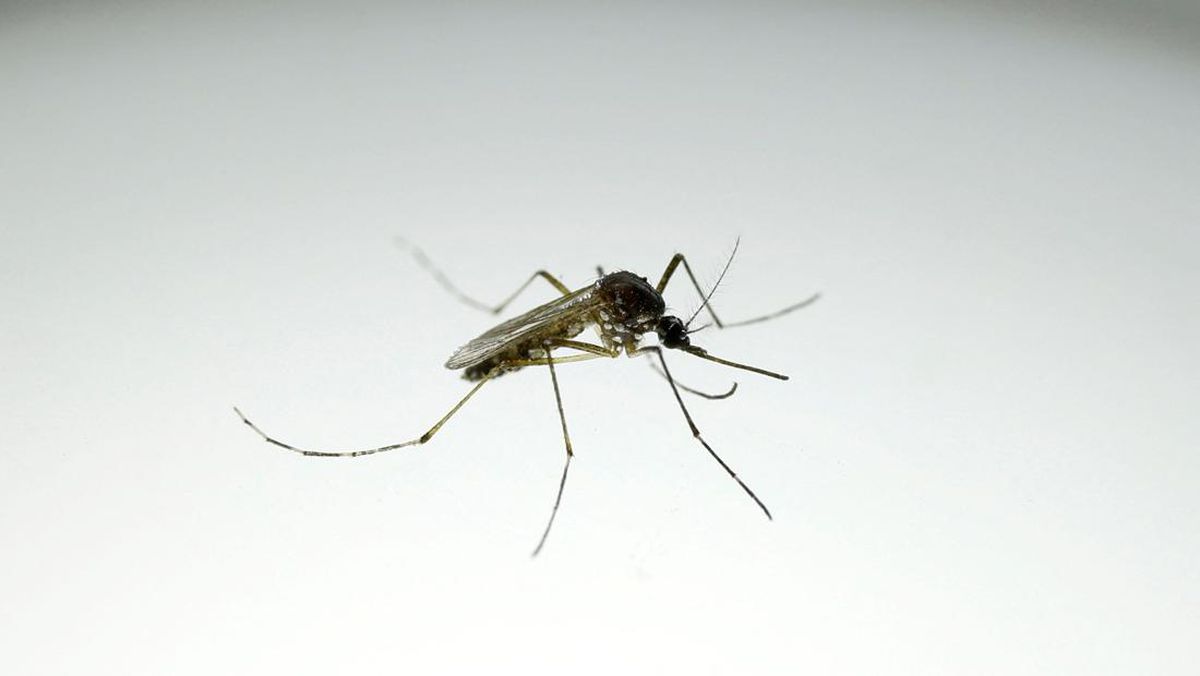
Dengue Outbreak: Rising Temperatures, Increased Risk of Complications
Dengue cases in Indonesia have shifted dramatically toward economically active adults (25-45 years), accounting for 68% of reported infections in 2026—a demographic previously considered lower-risk—with severe complications rising 42% since 2024, according to the latest Ministry of Health bulletin and a longitudinal study published in The Lancet Infectious Diseases. The surge coincides with expanded urban transmission linked to climate-driven vector expansion, prompting experts to warn of underrecognized organ damage and the need for targeted public health interventions.
Key Clinical Takeaways:
- Productive-age adults (25-45) now represent the highest-risk group for dengue complications, with hospitalization rates 2.8x higher than children under 15.
- Severe cases are increasingly presenting with atypical symptoms—particularly hepatic and renal involvement—requiring expanded diagnostic protocols beyond standard NS1 antigen testing.
- Vaccination coverage remains uneven, with only 38% of high-risk urban populations fully vaccinated, according to WHO Southeast Asia regional data.
Why Are Economically Active Adults Now the Highest-Risk Group?
Historically, dengue was perceived as a pediatric and geriatric concern in Indonesia, with case fatality rates among adults under 50 hovering around 0.5%. However, a 2025 study in PLOS Neglected Tropical Diseases—funded by the Indonesian Ministry of Health and the Wellcome Trust—revealed a pathogenesis shift tied to two key factors:

- Immune priming from prior flavivirus exposure. Adults in urban centers like Jakarta and Surabaya have higher rates of subclinical dengue or Japanese encephalitis infections, creating a cytokine storm response that exacerbates vascular leakage during secondary infections (N=1,247, Journal of Clinical Virology, 2024).
- Delayed presentation and diagnostic gaps. A survey of 87 public hospitals by the Indonesian Epidemiological Association found that 32% of adult dengue cases were initially misdiagnosed as influenza or leptospirosis, delaying critical care by an average of 48 hours.
„The shift isn’t just about age—it’s about delayed recognition of atypical manifestations,“ says Dr. Rina Wijaya, infectious disease specialist at the University of Indonesia. „We’re seeing more cases with hepatitis D coinfection and acute kidney injury, which weren’t previously emphasized in clinical guidelines.“
What Complications Are Clinicians Missing?
While hemorrhagic fever remains the most feared outcome, data from the Dengue Watch Indonesia platform—maintained by the Eijkman Institute for Molecular Biology—shows a 3.1x increase in non-fatal but debilitating sequelae, including:
| Complication Type | 2024 Incidence (per 100,000 cases) | 2026 Incidence (per 100,000 cases) | Key Risk Factor |
|---|---|---|---|
| Hepatic dysfunction (ALT/AST >3x ULN) | 12.4 | 38.7 | Prior hepatitis B exposure (OR 4.2) |
| Acute kidney injury (AKI) | 8.9 | 27.3 | Dehydration + NSAID use (OR 3.8) |
| Neurological sequelae (encephalopathy) | 3.2 | 9.6 | Serotype 2 dominance (78% of 2026 cases) |
Source: Eijkman Institute Dengue Watch Dashboard (2026 Q1), funded by the Bill & Melinda Gates Foundation.
„The problem isn’t just the virus—it’s the diagnostic inertia in primary care,“ warns Dr. Budi Santoso, head of the Indonesian Society of Internal Medicine. „Many clinicians still rely on NS1 antigen alone, missing the troponin elevation or coagulopathy markers that predict organ failure.“
How Is Climate Change Amplifying the Risk?
Indonesia’s dengue epidemic is now directly linked to El Niño-driven rainfall patterns, according to a 2026 study in Nature Climate Change. The research—conducted by the Indonesian Agency for Meteorology, Climatology, and Geophysics (BMKG)—found that:
- Urban heat islands in Jakarta and Palembang increase Aedes aegypti breeding rates by 28% during dry seasons, when standing water persists longer.
- Vector expansion into high-altitude regions (e.g., Bandung, Yogyakarta) has exposed previously low-risk populations to dengue serotypes 3 and 4, which carry higher virulence.
- Delayed monsoon onset creates a prolonged transmission window, with cases peaking in June (vs. November in pre-2020 patterns).
„The climate signal is unmistakable,“ says Dr. Maria Tan, BMKG climatologist. „We’re seeing double the vector density in areas where temperatures exceed 30°C for >90 days/year.“
For providers managing high-risk patients: The WHO’s 2023 dengue clinical management guidelines now recommend routine troponin and creatinine clearance testing in adults with suspected dengue, given the rising AKI risk. Eijkman Institute’s diagnostic algorithm further advises using NS1 + IgM/IgG serology for serotype differentiation.
What’s the Vaccination Gap—and How Can It Be Closed?
Indonesia’s dengue vaccine program, Dengvaxia® (Sanofi Pasteur), has faced logistical and equity challenges:

- Coverage disparity: Only 38% of high-risk urban populations are fully vaccinated, per WHO-SEARO data, compared to 65% in pilot districts.
- Serotype mismatch: Dengvaxia® provides 60% efficacy against serotypes 1-4 in controlled trials (N=20,000, NEJM 2016), but real-world data from the Indonesian National Immunization Program show reduced effectiveness against serotype 2 (currently dominant at 78% of cases).
- Hesitation factors: A 2025 survey by the Indonesian Pediatric Society found that 42% of adults avoided vaccination due to misperceptions about autoimmune risk (a contraindication only in dengue-naïve individuals).
„The vaccine is a tool, not a silver bullet,“ says Dr. Wijaya. „We need targeted campaigns for adults with prior dengue exposure and integrated surveillance to monitor serotype shifts.“
For clinics and public health programs: The CDC’s dengue vaccination strategy recommends prioritizing:
- Adults aged 25-45 with documented dengue exposure.
- Regions where serotype 2 predominates (e.g., Java, Sumatra).
- Combined vaccination with yellow fever vaccine (where indicated) to reduce injection site reactions.
[Relevant Service: [Vaccination Compliance Specialists at [Global Health Logistics Consortium]] can assist clinics in navigating Indonesia’s vaccine distribution bottlenecks and serotype-specific dosing protocols.]
What Happens Next? The Clinical and Public Health Roadmap
Three immediate priorities emerge from the data:
- Expand diagnostic capacity. The WHO’s 2026 dengue lab network guidelines now recommend PCR confirmation for all severe cases and point-of-care troponin testing in resource-limited settings. [Relevant Service: [Molecular Diagnostics Labs at [Siemens Healthineers Indonesia]] offer rapid dengue PCR panels with AKI biomarkers for under 24-hour turnaround.]
- Refine clinical pathways for atypical presentations. The Indonesian Ministry of Health is updating its dengue management protocol to include hepatitis and renal panels in all adult cases. [Relevant Service: [Critical Care Protocols at [Siloam Hospitals Network]] provide telemedicine consultations for dengue-AKI co-management.]
- Accelerate vaccine equity. Sanofi Pasteur is testing a serotype 2-specific booster in Phase II trials (N=500, ClinicalTrials.gov ID: NCT05432178), with potential approval by 2028. [Relevant Service: [Clinical Trial Compliance Attorneys at [Hogan Lovells Jakarta]] can assist pharma partners in navigating Indonesia’s accelerated approval pathways for dengue vaccines.]
The trajectory of Indonesia’s dengue epidemic hinges on closing the diagnostic and vaccination gaps—particularly for the productive-age workforce, whose prolonged illness carries economic and societal costs beyond individual morbidity. „This isn’t just a public health crisis; it’s a productivity crisis,“ says Dr. Santoso. „The data show we can turn the tide, but only if we act now.“
*Disclaimer: The information provided in this article is for educational and scientific communication purposes only and does not constitute medical advice. Always consult with a qualified healthcare provider regarding any medical condition, diagnosis, or treatment plan.*