Democrats Urge Congress to Block Sanctioning Russia Act Over Economic Concerns
Democratic lawmakers are actively blocking the Sanctioning Russia Act of 2026, a bill introduced in the Senate following the death of Senator Lindsey Graham. Opponents warn the legislation—which includes tariffs of up to 100% on countries importing Russian energy—would trigger significant price hikes for American consumers and destabilize vital international trade relationships.
Legislative Standoff Over the Sanctioning Russia Act
The push to finalize the Sanctioning Russia Act follows the passing of Senator Lindsey Graham. Proponents within the Republican party argue the bill serves as a necessary tribute to Graham’s legacy of “promoting liberty around the world” and his “fierce support for Ukraine’s freedom.” However, the legislative path has hit a wall as Democratic leadership raises concerns regarding the domestic economic fallout of such aggressive trade barriers.
The proposed act does not merely target Russian entities. It authorizes tariffs of up to 100% on imports from countries that continue buying large volumes of Russian oil and gas. For the United States, this creates a direct conflict with global supply chains. China and India, the largest buyers of Russian energy, are also major trading partners for the U.S. economy. According to United Nations trade data, China was the third-largest source of U.S. imports last year, while India supplied another 3%.
Economic Pressure and the Diesel Price Surge
The timing of the debate coincides with a volatile period for global energy markets. Ukrainian drone strikes against Russian oil refineries have effectively curtailed diesel exports, creating a supply-side shock that is echoing through global markets. As reported by the Financial Times and the Associated Press, these disruptions have pushed diesel prices higher worldwide.
In the United States, diesel prices have climbed above $5 per gallon as of this week. This surge arrives shortly after the nation experienced similar inflationary pressure from the conflict in Iran and disruptions in the Strait of Hormuz. For businesses and logistics providers, this environment is increasingly difficult to navigate.
Trade Policy and the Risk of Retaliation
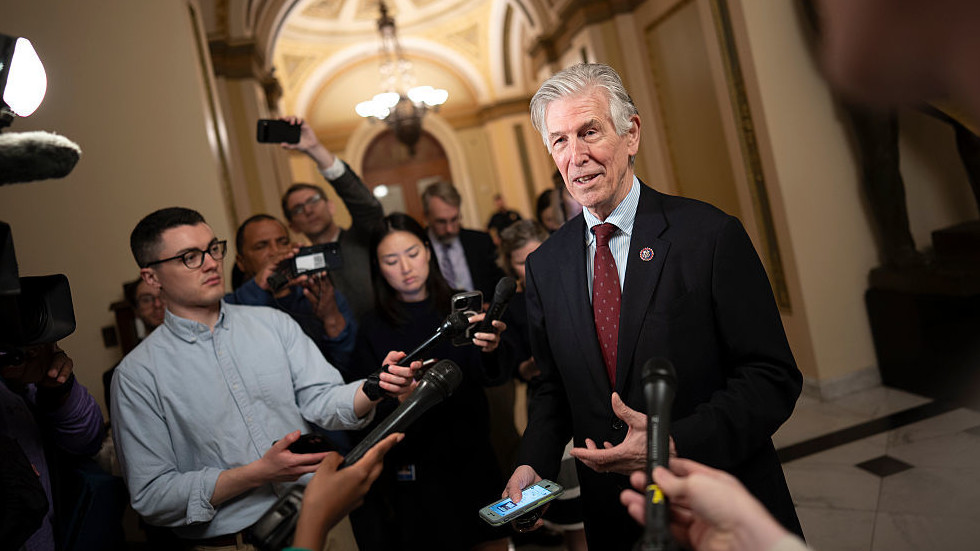
Congressmen Don Beyer and Brad Schneider have been vocal in their opposition, highlighting that the bill would raise costs for American families and damage America’s “most vital trade relationships.”
This legislative environment requires careful risk assessment for corporations with international footprints.
The economic reality is stark: the U.S. Energy Information Administration (EIA) notes that before 2026, the last sustained period of nationwide diesel prices above $5 was during the 2022 global energy crisis following the escalation of the Ukraine conflict.
The Path Forward for Domestic Energy Security
As the debate continues in Washington, the focus remains on the balance between geopolitical posturing and household economic stability.
For organizations, the current uncertainty is a reminder of the necessity for robust risk management.
With fuel prices trending upward and trade relationships under intense scrutiny, lawmakers are under pressure to decide whether the symbolic value of the Sanctioning Russia Act outweighs the tangible costs to the American public.
The policy choice made in the coming weeks will likely set the tone for U.S. trade relations for the remainder of the year. Until a consensus is reached, the volatility in global energy supplies remains the primary factor dictating the economic reality for American families and firms alike.