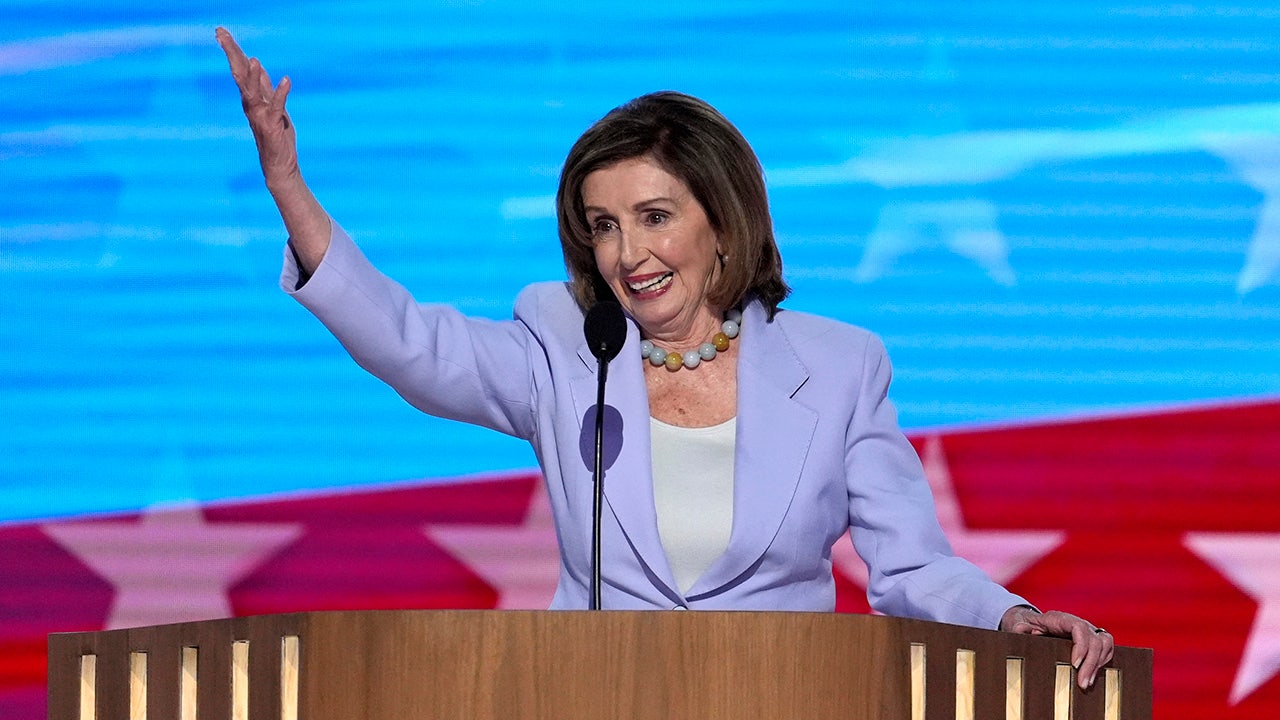
Democratic Party in Chaos: The Rise of the Radical Left After Pelosi
Following the retirement of former House Speaker Nancy Pelosi, the Democratic Party faces an intensifying internal crisis marked by anemic fundraising, message discipline failures, and the rising influence of the Democratic Socialists of America (DSA).
The Post-Pelosi Leadership Void and Donor Fatigue
For decades, Nancy Pelosi and Senate Minority Leader Chuck Schumer exercised strict control over the party’s legislative agenda and financial apparatus, routing donor capital away from ideological extremes. With Pelosi’s exit and diminishing influence, traditional gatekeepers have been sidelined. Financial resources are increasingly channeled through the non-governmental organization (NGO) sector, reducing institutional transparency.
Democratic National Committee Chair Ken Martin faces significant operational hurdles following the financial fallout of past federal campaigns. According to Chaffetz, the billion-dollar price tag of former Vice President Kamala Harris’s unsuccessful presidential bid triggered widespread donor fatigue, leaving the DNC with limited capital reserves to defend vulnerable seats in the 2026 midterm elections. House Minority Leader Hakeem Jeffries and Senate Minority Leader Chuck Schumer operate with comparatively constrained authority, struggling to balance mainstream constituents with an assertive progressive wing.
Ideological Fractures and the DSA Platform
The institutional retreat of moderate leadership has created an environment where candidates face severe messaging divisions. The DSA platform actively challenges foundational aspects of American federalism, seeking the abolition of the Senate, the Electoral College, the presidency, and the Supreme Court. Furthermore, socialist proposals advocate for dismantling the Department of War, opening borders to unlimited migration, and underwriting healthcare costs for non-citizens.
These policy positions expose candidates across federal and state levels to intense political pressure. Incumbents and challengers alike must navigate the difficult choice between alienating their progressive base and losing swing voters in competitive districts.
Regional Repercussions and Local Friction
The ideological realignment extends well beyond Washington, D.C., manifesting visibly in municipal and gubernatorial politics. In Minnesota, Governor Tim Walz, and in California, Governor Gavin Newsom, face mounting scrutiny regarding oversight and accountability within state-administered programs. At the local level, figures such as Sanders-endorsed New York Mayor Zohran Mamdani have drawn sharp criticism for foreign policy stances regarding international adversaries like Iran and Hamas.
Such friction points complicate efforts by moderate Democrats to project stability and administrative competence.
Vetting Failures and the Path Forward
Candidate selection processes continue to generate vulnerability for the party. The controversy surrounding rape allegations against Sanders-endorsed Maine Senate candidate Graham Platner underscored ongoing challenges in candidate screening. The resulting ballot placement without traditional primary participation mirrors past nomination controversies, highlighting systemic weaknesses in internal quality control.
Without a unifying figure capable of enforcing discipline and managing donor networks, the Democratic Party risks prolonged electoral friction. Candidates attempting to bridge the gap between socialist policy demands and general electorate expectations will find few institutional mechanisms to shield them from accountability at the ballot box.