
Structured Lifestyles Boost Brain Health, Study Finds
New research highlights the power of team-based programs in combating cognitive decline.
A groundbreaking clinical trial is offering new hope for older adults concerned about cognitive health. The U.S. POINTER study reveals that structured, supportive lifestyle interventions can significantly enhance brain function.
From Sedentary to Spry
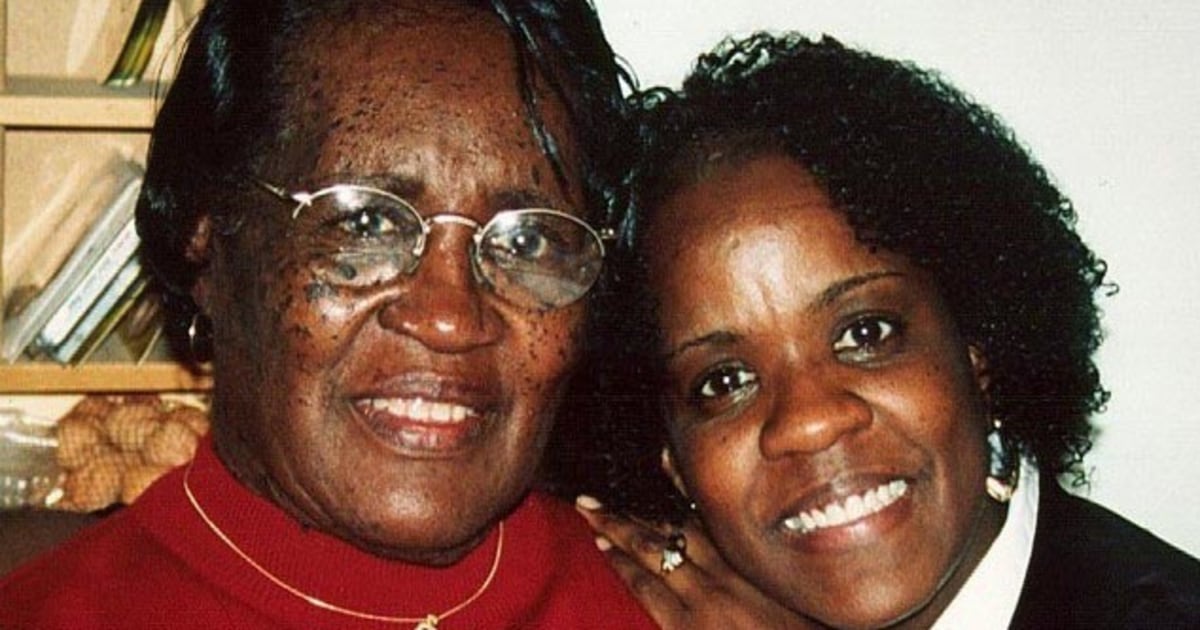
Phyllis Jones, 66, of Aurora, Illinois, transformed her life after struggling with depression and sedentary habits. With prediabetes and rising cholesterol and blood pressure, her health was declining. Motivated by her family history of vascular dementia, she joined the U.S. POINTER trial.
The Power of a Structured Approach
The trial involved over 2,000 participants at high risk for dementia. Half received general healthy lifestyle advice, while the other half engaged in a structured, team-based program. This intensive group focused on transforming lifestyles through regular expert meetings, peer support, brain exercises, and aerobics. Participants were also encouraged to follow the MIND diet, emphasizing whole grains, fruits, and vegetables while minimizing processed foods.
Measurable Cognitive Gains
After two years, both groups showed improvements, but the structured program yielded more significant benefits. Researchers found that participants in the structured group performed cognitively at a level comparable to adults one to two years younger. This suggests increased resilience against cognitive decline.
“Our conservative estimate shows that, relative to the self-guided group, the structured group performed at a level comparable to adults who were one to two years younger in age. This is what’s giving folks additional resilience against cognitive decline.”
—Laura Baker, Lead Researcher and Gerontology Professor, Wake Forest University School of Medicine and Advocate Health
Laura Baker, the lead researcher, emphasized the importance of support and accountability within the structured group. She stated during a news briefing, “We’re going to tell you what to do, but we’re also going to help you get there, and we’re going to work with you as a partner to meet you where you are.”
Combating a Growing Crisis
Published in the Journal of the American Medical Association, these findings are crucial as the nation faces a doubling of dementia cases by 2060. According to the Centers for Disease Control and Prevention, approximately 10% of Americans over 65 have dementia, with nearly 7 million living with Alzheimer’s.
While some medications can slow dementia progression, no cure exists. However, experts like Dr. Richard Isaacson, a neurologist at the Institute for Neurodegenerative Diseases, highlight that individuals are not helpless.
“We’re not powerless in the fight against cognitive decline and Alzheimer’s disease.”
—Dr. Richard Isaacson, Neurologist and Researcher
The findings align with other research presented at the Alzheimer’s Association conference, which indicated that regular walking can protect the brains of those with a genetic predisposition to Alzheimer’s.
Rachel Wu, an associate professor researching cognition in older adults at the University of California, Riverside, noted the universal applicability and lack of negative side effects of these lifestyle interventions. The POINTER trial also collected blood samples and brain scans to analyze amyloid and tau proteins, aiming to understand their impact on intervention effectiveness.
Phyllis Jones herself reports significant personal benefits, including a 30-pound weight loss and reversal of her prediabetes. She is committed to maintaining her healthy habits, stating, “I’m going to keep moving, eating right, socializing, monitoring my comorbidities. I’m going to take care of myself.”
