
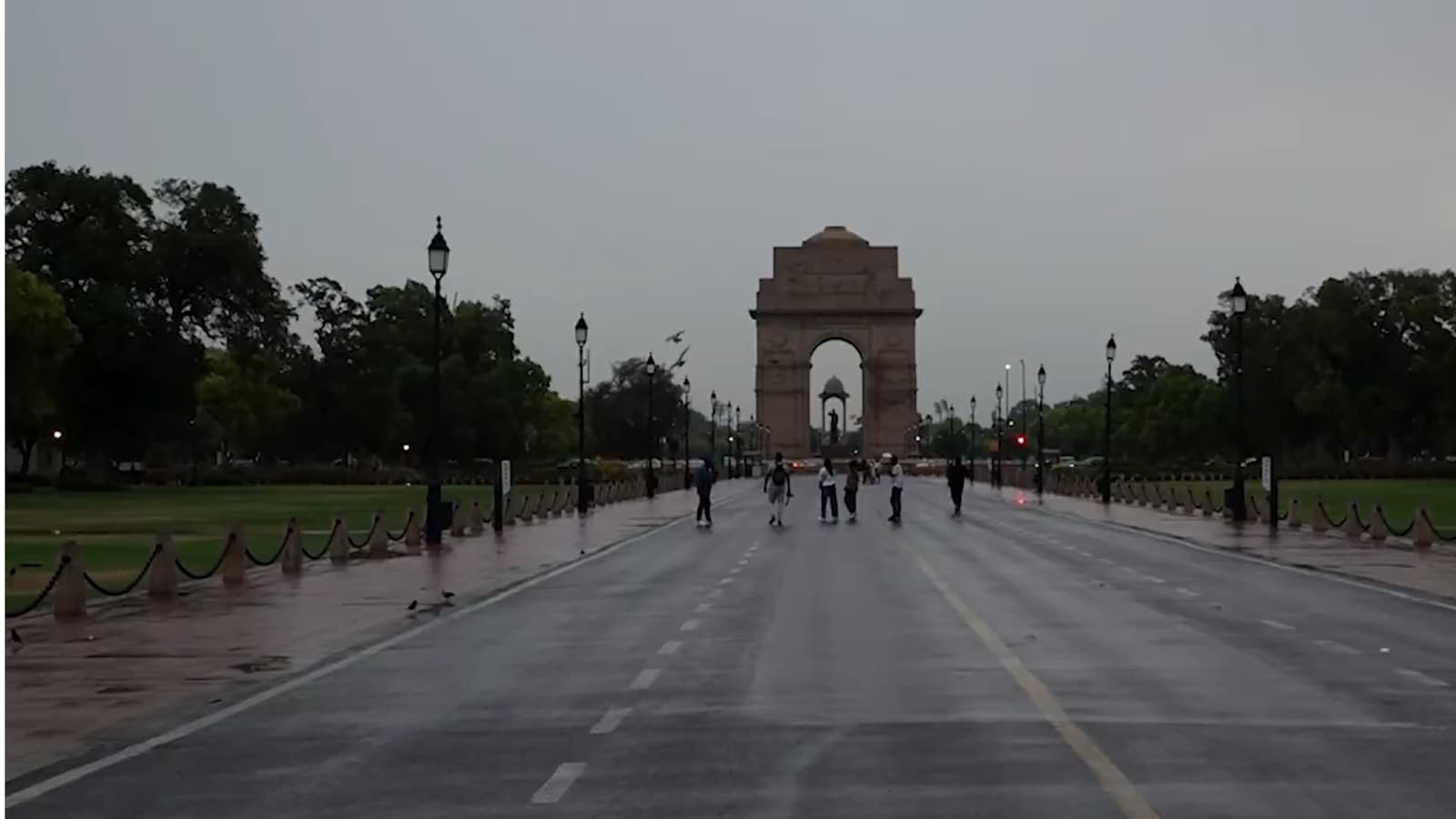
Delhi Weather Today: Light Rainfall Forecast by India Meteorological Department
The India Meteorological Department (IMD) has forecasted a prolonged spell of light to moderate rainfall over Delhi-NCR from June 10, 2026, through June 14, disrupting daily life, straining drainage systems, and raising concerns over air quality. The forecast follows a monsoon onset delayed by 12 days this year, heightening risks for urban flooding in a city where 60% of stormwater drains remain non-functional, according to Delhi Jal Board data. This is the third significant pre-monsoon rainfall event in 2026, each exacerbating infrastructure vulnerabilities.
Why is Delhi-NCR’s drainage system failing under this rainfall?
Delhi’s stormwater drainage network, designed in the 1970s, was built for a population of 3 million. Today, the National Capital Region (NCR) houses over 32 million people, with 40% of the city’s 11,000 km of drains either blocked or overflowing during heavy rains, per a 2025 audit by the Comptroller and Auditor General of India. The IMD’s latest forecast—predicting 20-30 mm of rain daily—exceeds the system’s capacity, particularly in areas like East Delhi and Noida, where illegal encroachments have narrowed drainage channels by up to 40%.
“The city’s drainage infrastructure is a ticking time bomb. We’ve seen a 300% increase in waterlogging incidents in the last five years, and this rainfall will test even our temporary mitigation measures.”
How does this rainfall impact air quality and public health?
While rain typically improves Delhi’s notoriously poor air quality, the IMD warns that pre-monsoon showers this year are carrying higher concentrations of particulate matter (PM2.5) due to prolonged dust storms from Rajasthan and Haryana. The Central Pollution Control Board (CPCB) recorded a 25% spike in PM2.5 levels during similar rainfall events in 2025, linked to resuspended dust and vehicle emissions. Public health officials anticipate an uptick in respiratory illnesses, particularly among the city’s 2.5 million senior citizens and 1.2 million children under five.
Historically, Delhi’s monsoon season (June–September) accounts for 75% of annual rainfall, but erratic patterns—like the 12-day delay this year—disrupt agricultural schedules in surrounding Haryana and Uttar Pradesh. Farmers in the National Capital Region’s peri-urban belts rely on timely rains for kharif crops like paddy and maize; the IMD’s forecast suggests below-normal rainfall for June, potentially slashing yields by 15–20% if dry spells persist.
What immediate actions are authorities taking?
- Emergency drainage clearing: The Delhi government has deployed 5,000 workers to unclog 2,000 drains across the city, with a focus on low-lying areas like Kashmere Gate and Sector 51, where flooding has paralyzed traffic in past events.
- Traffic management: The Delhi Traffic Police have activated a “waterlogging alert” system, rerouting buses and Metro services to avoid submerged roads. The Delhi Metro has suspended services on two lines (Red and Violet) for 48 hours to assess track flooding risks.
- Public advisories: The Delhi Disaster Management Authority (DDMA) has issued warnings for residents to avoid waterlogging-prone areas and check sump pumps in basements. Schools and offices in flood-prone zones have been advised to shift to online modes.
Long-term risks: How will this rainfall reshape Delhi’s urban planning?
The IMD’s forecast underscores a broader crisis: Delhi’s urban expansion has outpaced infrastructure upgrades. The Ministry of Housing and Urban Affairs has approved a ₹12,000 crore drainage revamp plan, but only 15% of funds have been released due to bureaucratic delays. Experts warn that without systemic changes—such as mandating underground drainage in new constructions and penalizing encroachments—Delhi’s vulnerability will worsen.

“We’re treating symptoms, not the disease. Every year, we patch up the same drains, but the root issue—unplanned urbanization—remains unaddressed. This rainfall is a wake-up call for the central government to enforce the AMRUT 2.0 guidelines strictly.”
Who is most at risk, and how can they prepare?
| Vulnerable Group | Key Risks | Recommended Actions |
|---|---|---|
| Low-income households (30% of Delhi’s population) | Flooding in unregulated colonies; waterborne diseases | Relocate to higher ground; boil water before consumption. Community relief networks are coordinating temporary shelters. |
| Commercial establishments | Business interruptions; water damage to inventory | Secure backup generators; consult flood-specific insurance advisors to assess coverage gaps. |
| Healthcare facilities | Power outages; patient evacuations | Hospitals are stockpiling emergency supplies and coordinating with critical care transport services. |
What happens next: Tracking the monsoon’s trajectory
The IMD’s extended forecast suggests a 60% chance of above-normal rainfall in July, but the current spell may alleviate some heatwave pressures. Temperatures in Delhi have already crossed 45°C in May, the highest in a decade. However, the delayed monsoon has left soil moisture levels critically low, reducing the city’s ability to absorb rainfall. Municipal authorities are monitoring the Yamuna river, which is flowing at 30% capacity—any sudden inflow could exacerbate flooding in the Yamuna Biodiversity Park area.

For businesses and residents alike, the immediate priority is mitigation. With regional infrastructure heavily compromised, securing vetted emergency restoration contractors is now the critical first step. Meanwhile, legal experts advise developers to review their commercial liability insurance policies, as water damage claims have surged by 40% in Delhi since 2024.
The monsoon’s arrival is a double-edged sword for Delhi: a relief from scorching heat, but a test of resilience for a city that has long ignored its own limits. As the rain falls, the question isn’t just how to survive this week’s forecast—it’s whether Delhi will finally act to prevent the next crisis. The clock is ticking, and the drains are waiting.