
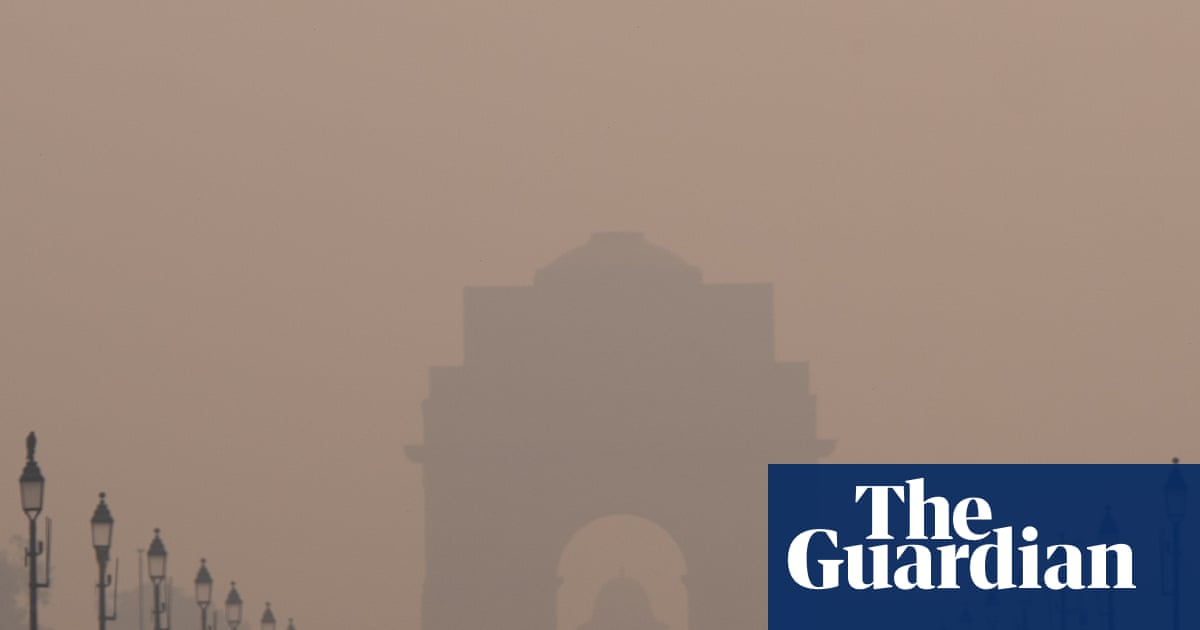
Delhi Launches Cloud Seeding initiative Amid Record Air Pollution
Delhi, India – Authorities in Delhi have begun cloud seeding operations in a bid to combat hazardous air pollution levels that have once again earned the city the designation of the world’s most polluted. The initiative, launched as winter pollution peaks, aims to induce rainfall to wash away pollutants, but faces skepticism from atmospheric scientists who question its effectiveness and potential long-term consequences.
Delhi has consistently ranked as the world’s most polluted city for over a decade, and pollution levels in 2024 have risen by 6% due to a combination of crop burning, factory emissions, and heavy traffic, exacerbated by colder temperatures that trap pollutants. The current crisis impacts the health of over 30 million residents in the Delhi National Capital Region, contributing to respiratory illnesses and other health problems. Cloud seeding is being presented as a short-term intervention while longer-term solutions are pursued.
Experts caution that cloud seeding is not a guaranteed solution. The process, intended to increase rainfall by introducing substances like silver iodide or sodium chloride into clouds, requires the presence of clouds - often scarce over Delhi during the winter months. Furthermore, the effect is typically small and does not address the underlying causes of pollution.
“It is a textbook case of science misapplied and ethics ignored,” stated Shahzad Gani and Krishna AchutaRao, professors at Delhi’s centre for Atmospheric Sciences, in an opinion piece published in the Hindu newspaper. They likened the plan to previously implemented “smog towers” which proved largely ineffective despite significant investment - costing billions of rupees.
Concerns have also been raised regarding the potential long-term effects of repeated chemical use on agriculture and human health, with limited research available on these impacts. Gani and AchutaRao warned that “snake-oil solutions will not clear the air in Delhi or the rest of North India.”
During winter, Delhi regularly experiences PM2.5 and PM10 levels exceeding those recorded during Beijing’s 2013 “airpocalypse,” before the Chinese government implemented stringent air quality measures. The current cloud seeding trial represents a desperate attempt to alleviate the immediate crisis, but experts emphasize the need for sustained, complete strategies to tackle the root causes of Delhi’s persistent pollution problem.
