
The creative process of television and film often involves difficult choices, with directors and editors routinely removing scenes that, while strong in isolation, don’t serve the overall narrative. Sometimes these cuts are driven by time constraints, audience concerns, or simply the need to streamline a plot. But what if those discarded scenes held keys to deeper character motivations or more satisfying resolutions? A look at several productions reveals how deleted scenes could have significantly altered the final product.
Fans of HBO’s “Game of Thrones” continue to debate the show’s final season, particularly the storyline surrounding Cersei Lannister, played by Lena Headey. While the character’s unceremonious death by falling bricks drew criticism, a deleted scene could have added a layer of tragedy and complexity. According to Headey, she filmed a scene depicting Cersei suffering a miscarriage, a moment she described as “a really traumatic, great moment for Cersei.” The scene, intended for the penultimate episode, “The Bells,” was ultimately cut, leaving the question of whether Cersei was pregnant at the time of her death unanswered. Some fans theorized Cersei was feigning pregnancy for manipulative purposes, while others believed a miscarriage could have fueled a descent into madness, a path ultimately taken by Daenerys Targaryen. Without the scene, Cersei’s motivations remained ambiguous.
The producers of NBC’s “Parks and Recreation” also made cuts during the editing process of their series finale, though many of those scenes were later restored in a “Producers Cut” released after the initial broadcast. One particularly well-received addition involved Shauna Malwae-Tweep, the perpetually unlucky reporter played by Alison Becker. In the restored scene, Shauna, having been left at the altar, is comforted by Bobby Newport, who then proposes and marries her just five hours later. Mike Schur, the show’s creator, explained that scenes involving Shauna and another character, Jeremy Jamm, were “miserably tough to cut,” but ultimately necessary to prioritize screen time for the show’s core cast.
The finale of CBS’s “How I Met Your Mother” remains a point of contention among fans, largely due to its controversial resolution. The season-long build-up to Barney and Robin’s wedding was undercut by their subsequent divorce, and the revelation that Ted’s wife, Tracy, had died, leading him to pursue Robin once more. However, an alternate ending existed, one in which Tracy did not die and Ted and she enjoyed a happy life together. The writers filmed scenes allowing for both endings, with editing and narration determining the final outcome. This alternate version offered a more conventional and arguably more satisfying conclusion for many viewers.
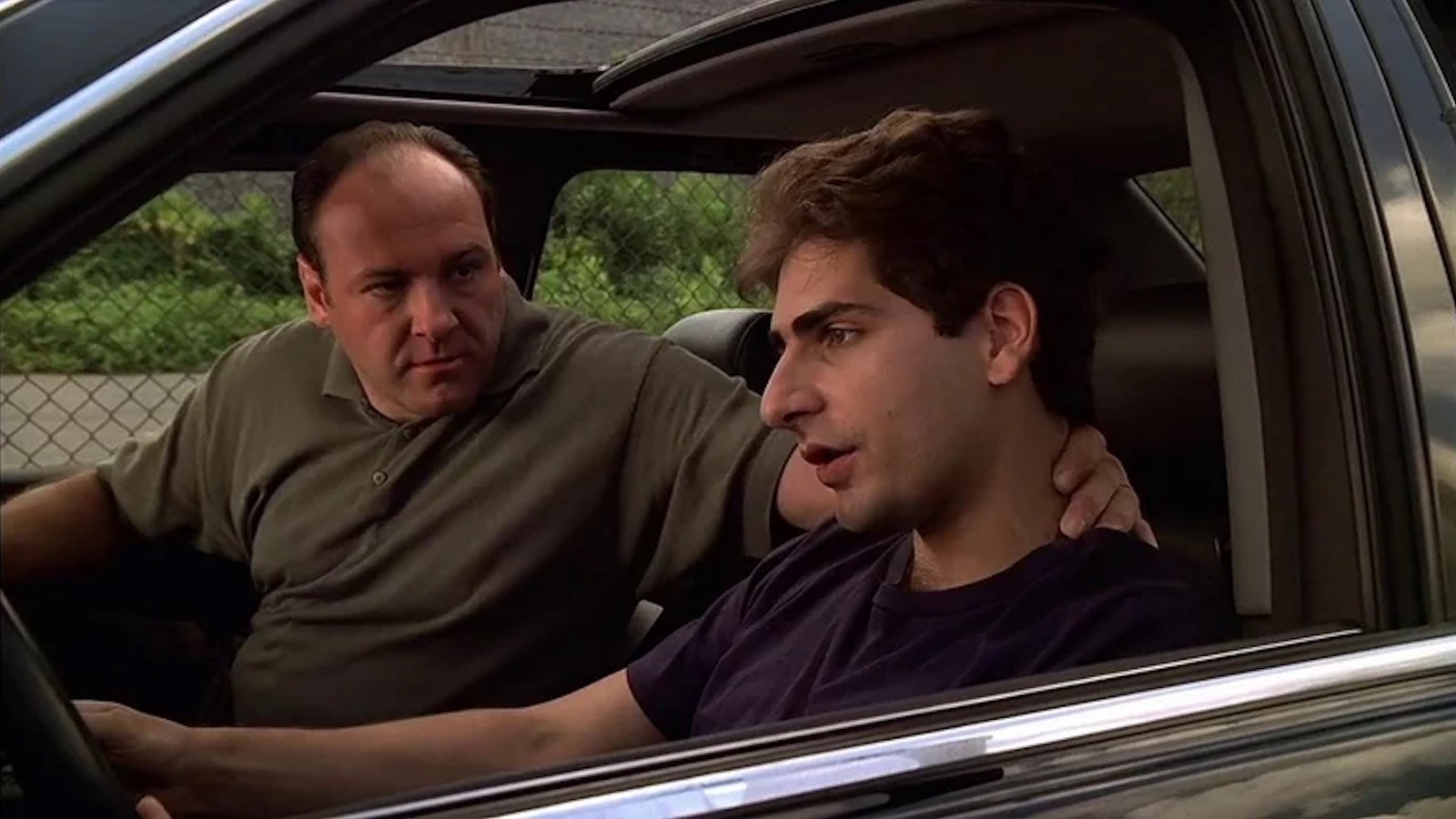
Deleted scenes from HBO’s “The Sopranos” offer a different perspective on the motivations behind Tony Soprano’s actions. A scene cut from Season 6 shows Tony and Carmela unexpectedly visiting Christopher Moltisanti, finding him socializing with people outside of their criminal circle. Tony questions who these individuals are, revealing his discomfort with Christopher building a life independent of the mob. This scene suggests Tony’s decision to kill Christopher wasn’t solely based on his drug addiction, but also on his inability to tolerate Christopher’s attempts to move beyond Tony’s control.
Even classic science fiction series like “Doctor Who” considered significant alterations to established canon. A deleted scene from a 1989 episode featured the Master suggesting the Doctor was no longer a Time Lord, a claim the Doctor surprisingly affirmed, stating he had “evolved” into something else. While ultimately omitted, this scene could have fundamentally changed the understanding of the Doctor’s identity. More recent developments in the show’s lore, such as the “Timeless Child” storyline, have revisited the origins of the Time Lords, suggesting the 1989 scene might have foreshadowed those changes.
The A&E series “Bates Motel” explored the complex and disturbing relationship between Norman and Norma Bates. While the show largely avoided explicit depictions of their inappropriate dynamic, actress Vera Farmiga revealed that scenes with more overt intimacy were filmed but ultimately cut. Farmiga suggested the emotional transgressions were already clear without the need for physical depictions.
Netflix’s acclaimed “Black Mirror” episode “San Junipero” also had a scene removed that would have altered its tone. Co-creator Charlie Brooker explained that a scene depicting a kindergarten classroom full of deceased children was deemed too emotionally devastating and destabilizing, potentially undermining the episode’s ultimately optimistic message.
Sometimes, deleted scenes simply offer a glimpse of what might have been. A scene cut from HBO’s “Sizeable Little Lies” showed Reese Witherspoon’s character throwing an ice cream cone at Meryl Streep, a moment captured by paparazzi and widely circulated online. HBO president Casey Bloys speculated the scene was cut since it was more amusing as a meme than as a substantive plot point.
And in a particularly striking example, a leaked scene from AMC’s “The Walking Dead” revealed an alternate death scene for Maggie, with Negan beating her to death with Lucille. While the aired episode featured the deaths of Abraham and Glenn, the existence of the Maggie scene demonstrated the showrunners’ willingness to consider different outcomes.
Even Disney Channel’s “Hannah Montana” had an alternate ending filmed, presenting a meta-narrative suggesting the entire series was a dream experienced by the character Miley Stewart. Similarly, a deleted scene from “Seinfeld” offered an alternate courtroom verdict, with the characters found not guilty, a departure from the show’s darkly comedic finale. Finally, a crossover scene filmed for “Breaking Awful” but not included in the final cut depicted Bryan Cranston reprising his role from “Malcolm in the Middle,” framing the entire series as a dream within that sitcom’s universe.
