
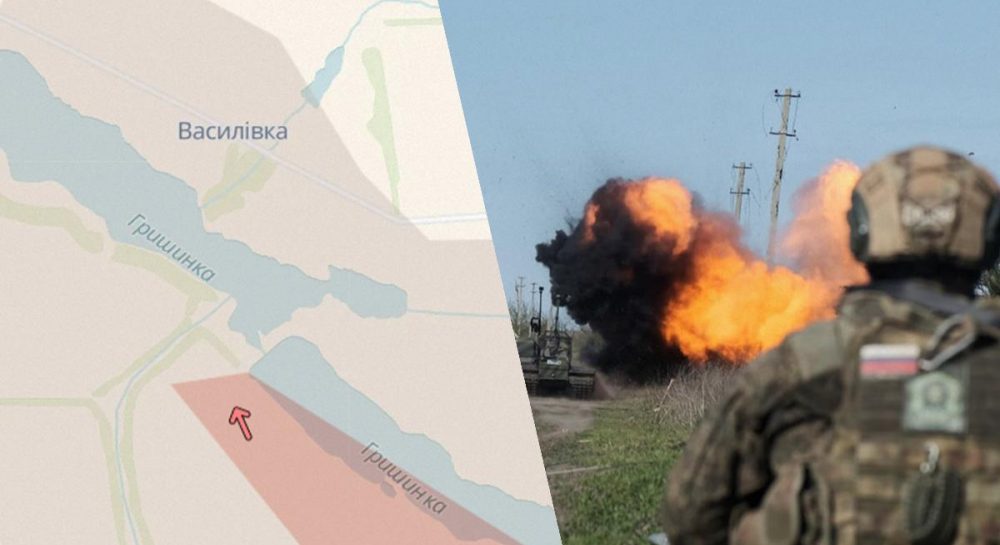
DeepState Reports Russian Advances in Donetsk and Dnipropetrovsk Regions
Russian forces have advanced near five settlements in Ukraine’s Donetsk and Dnipropetrovsk regions as of May 10, 2026, marking a notable shift in the frontline after weeks of relative stalemate. In Donetsk, gains near Torske and Vilne Pole threaten critical supply routes, while advances in Dnipropetrovsk—including near Maliivka and Filiia—raise alarms about infrastructure vulnerability. Ukrainian counteroffensives have stabilized near Dobropillia but failed to reverse the momentum. The escalation underscores the war’s creeping expansion into economically sensitive zones, where local governments and humanitarian groups are scrambling to prepare for displaced populations and damaged critical services.
Why This Matters: The Domino Effect of Frontline Shifts
The latest advances are not isolated incidents but part of a broader pattern where Russian forces have exploited gaps in Ukrainian defenses to push deeper into contested territories. For local authorities, the immediate challenge is managing the human cost: evacuations, shelter provision and medical aid. But the longer-term risk is economic—disrupted agricultural output, severed transport corridors, and the specter of prolonged occupation weighing on regional recovery efforts.
“These advances are a deliberate strategy to isolate Ukrainian strongholds by cutting off supply lines. The next 72 hours will determine whether Kyiv can reinforce these sectors or if we face a more rapid unraveling of the front.”
The Geopolitical Chessboard: Donetsk and Dnipropetrovsk in Focus
Donetsk and Dnipropetrovsk are not just battlegrounds—they are economic linchpins. Donetsk’s coal and steel industries, once the backbone of Ukraine’s industrial output, now lie in the crosshairs of both military operations and sanctions-related disruptions. Dnipropetrovsk, meanwhile, hosts critical infrastructure: the Ukrainian State Nuclear Regulatory Inspectorate’s oversight of the Zaporizhzhia Nuclear Power Plant (though currently under Russian control) and key rail hubs that link eastern Ukraine to the Black Sea.
The advances near Torske and Vilne Pole in Donetsk threaten the Lyman and Novopavlivka corridors, routes historically used to resupply Ukrainian forces in the region. Vilne Pole, in particular, sits adjacent to the UNHCR’s designated displacement zone, meaning any further Russian push could force tens of thousands of civilians into already strained relief networks.
Dnipropetrovsk: The Silent Frontline
While Donetsk dominates headlines, Dnipropetrovsk’s advances are equally consequential. The region’s municipal authorities have issued emergency orders to preposition food reserves and mobilize local defense units, but the strain is visible. In Maliivka, for example, Russian shelling in April already damaged 40% of the local water treatment plant—a facility serving 20,000 residents. Further advances risk turning this into a humanitarian crisis before winter.
“We’ve seen this script before: incremental gains that erode civilian confidence faster than the military lines. The difference now is that Ukraine’s reserves are thinner, and Russia’s tactics are more precise. Local governments must act now to secure power grids, schools, and hospitals—before the occupiers do.”
Data in Motion: Tracking the Advances
| Location | Direction | Russian Gain (Approx.) | Ukrainian Countermeasures | Key Infrastructure at Risk |
|---|---|---|---|---|
| Torske (Donetsk) | Lyman | 1.2 km | Artillery strikes on Russian supply depots | Regional coal mines (critical for winter heating) |
| Vilne Pole (Donetsk) | Novopavlivka | 0.8 km | Drone surveillance of troop movements | UNHCR displacement hub |
| Maliivka (Dnipropetrovsk) | Southern axis | 0.5 km | Mobilization of local Territorial Defense | Water treatment plant (serves 20,000) |
| Filiia (Dnipropetrovsk) | Zaporizhzhia corridor | 1.5 km | Limited counterattacks; focus on evacuation | Railway junction (links to Kryvyi Rih) |
The Human Cost: Who Pays the Price?
Behind the coordinates and military assessments are communities already exhausted by three years of war. In Dobropillia, where Ukrainian forces have stabilized the front, local officials report a 30% increase in internally displaced persons (IDPs) over the past month. Schools operate on split shifts, and hospitals are diverting trauma patients to safer regions. The OSCE’s latest report warns that sustained advances could trigger a new wave of displacement, overwhelming the already stretched emergency relief organizations operating in the region.
For businesses, the risks are equally stark. The UkraineInvest agency has noted that 68% of SMEs in Donetsk and Dnipropetrovsk operate at reduced capacity due to supply chain disruptions. With Russian forces now closer to key industrial zones, insurers are raising premiums for war-risk policies, and logistics firms are rerouting shipments through secondary ports—a decision that inflates costs by 20-40%. Companies reliant on local labor pools face further uncertainty as male workers are called up for reserve duty.
Solutions in the Shadows: How Communities and Businesses Can Adapt
The immediate problem is clear: advancing frontlines create chaos for civilians, strain infrastructure, and disrupt economic activity. But in every crisis, specific services emerge as lifelines. Here’s how stakeholders are responding—and where to find verified support:
- Emergency Infrastructure Repair: With water, power, and transportation networks under threat, securing vetted restoration contractors who specialize in war-zone repairs is non-negotiable. Firms with experience in UN-monitored demining and rapid utility reconstruction are in high demand.
- Legal and Insurance Navigation: Businesses facing sudden operational shifts need commercial attorneys who understand war-risk clauses and sanctions compliance. The Ukraine Business Association has compiled a list of firms assisting with contract renegotiations and asset protection.
- Humanitarian Coordination: Local NGOs and municipal offices are partnering with international aid networks to preposition supplies. The British Red Cross and ICRC are prioritizing medical stockpiles in high-risk zones, but gaps remain for psychological support and childcare services.
The Long Game: What Comes Next?
Russia’s advances are not just tactical—they are part of a calculated effort to wear down Ukrainian morale and exhaust Western support. The next phase will likely see increased pressure on Kryvyi Rih, a strategic industrial city in Dnipropetrovsk, and Pokrovsk, where Ukrainian forces have held the line but face dwindling ammunition reserves. Analysts at the Institute for the Study of War predict that if Kyiv cannot secure reinforcements or shift to a more defensive posture, the front could see further erosion by mid-June.
The bigger question is whether this shift will force a recalibration of Ukraine’s war aims—or whether the international community will respond with new military aid packages. For now, the focus remains on the ground: protecting civilians, preserving infrastructure, and ensuring that the economic and social fabric of these regions does not unravel entirely.
The Kicker: A Call to Action for the Unseen Heroes
This is not a story about generals or geopolitics. It’s about the teachers in Dobropillia who are teaching children in bomb shelters, the farmers in Dnipropetrovsk who are planting crops despite shelling, and the doctors in Donetsk who are treating wounds with limited supplies. Their resilience is the only thing holding the line—until the world decides to match it.
If you’re a business owner, a municipal official, or a humanitarian worker operating in these regions, the time to act is now. The World Today News Directory connects you with verified professionals who can help you navigate the fallout—whether it’s securing emergency repairs, restructuring operations, or coordinating relief efforts. The frontlines may shift, but preparedness is the one thing no one can advance against.