
Dark Money: How AIPAC, AI, and Crypto Hide Election Spending
As of May 2026, major industry players in crypto, artificial intelligence, and gambling are increasingly utilizing “pop-up” super PACs to influence U.S. Midterm elections. By funneling funds through opaque, multi-layered networks, these groups bypass traditional disclosure deadlines, effectively shielding donor identities and strategic objectives from voters until after ballots are cast.
The current campaign finance landscape has evolved significantly in the sixteen years since the Supreme Court’s Citizens United decision, which fundamentally altered how independent expenditures are regulated. While individual candidate contributions remain subject to strict limits, the rise of independent, supposedly uncoordinated groups has created a shadow economy in political advertising. Today, the strategy is less about direct advocacy for a specific industry and more about buying political capital by supporting—or sabotaging—candidates in ways that appear disconnected from the donors’ primary interests.
The Architecture of Opaque Influence
The mechanics of this spending are designed to exploit the gaps in Federal Election Commission (FEC) reporting requirements. Donors, particularly those from highly regulated sectors like artificial intelligence and cryptocurrency, are leveraging “mama” and “papa” super PACs—a hierarchical structure where one group funds another. This secondary layer often allows entities to miss critical filing deadlines, ensuring that the public remains unaware of the financial backing behind negative advertisements until the electoral outcome is already decided.

In recent primary cycles, this tactic has been deployed with clinical precision. For instance, in Chicago, a group dubbed “Elect Chicago Women” received funds from the United Democracy Project, an affiliate of the American Israel Public Affairs Committee (AIPAC). This capital was then transferred to the “Chicago Progressive Partnership,” a maneuver that effectively delayed the disclosure of the original donors until after the primary election concluded. This practice forces voters to navigate a dizzying array of bland, friendly-sounding organizations that mask the aggressive interests of their financiers.
Industry Priorities and the “Flexible” Candidate
The motivation for this investment is clear: industries facing potential future regulation are prioritizing the election of “flexible” candidates. Because voters are often wary of crypto, gambling, and AI, these industries avoid running ads that feature their own products. Instead, they fund generic, often negative, attack ads against incumbents or challengers who might prove troublesome to their bottom line. By helping these candidates win, the donors gain long-term leverage and access, ensuring that their interests are protected when legislative debates on regulation finally reach the floor.
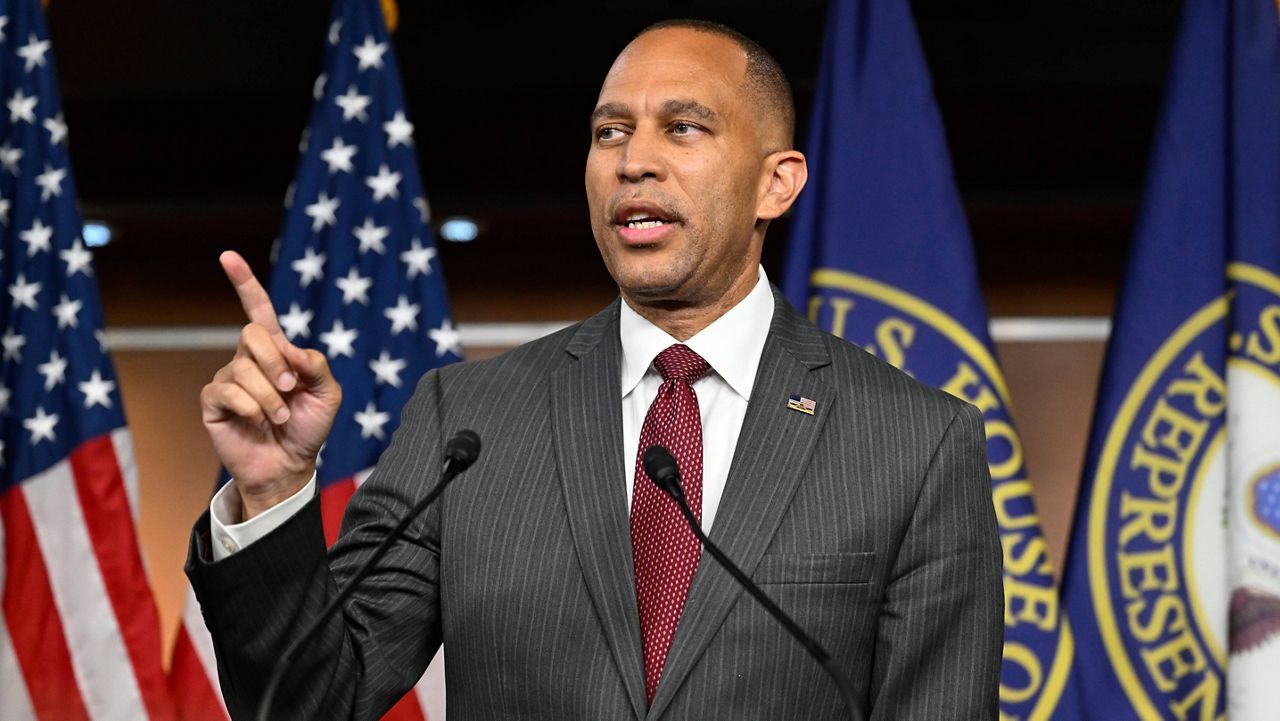
As noted by observers of the current cycle, the silence from the political establishment on these issues is deafening. While figures like House Minority Leader Hakeem Jeffries have acknowledged the pressure, actual legislative action to restore transparency remains stalled. For voters concerned about the integrity of their local representation, navigating these murky waters requires access to objective, non-partisan resources.
“Disclosure should be a bare minimum. Maybe this should be banned outright as well. But we, at the very least, should have clarity on when Here’s happening, and not just within the context of campaigns but also in the context of politics more broadly.”
Navigating the Financial Maze
The impact of this shadow spending is felt acutely at the local level, where municipal infrastructure and regional policy are often caught in the crossfire of nationalized, high-dollar primary battles. When local races are suddenly flooded with millions of dollars from outside groups, the result is often a distortion of local priorities. Voters and civic groups seeking to hold these entities accountable are increasingly turning to specialized professional services to track and report on these financial entanglements.

For citizens and organizations aiming to decipher the funding behind local political initiatives, engaging with a Non-Partisan Political Integrity Consultant is becoming a standard step in the electoral process. These experts provide the necessary forensic analysis to link anonymous super PACs back to their corporate or private donors, stripping away the layers of “bland” nomenclature to reveal the true sponsors of local campaigns.
as these industries attempt to influence local ordinances—particularly in the realms of gambling and data regulation—municipalities are finding it necessary to consult with Government Ethics and Transparency Law Firms. These legal professionals assist in identifying potential conflicts of interest and ensuring that local candidates are in full compliance with disclosure laws, even when federal oversight is lacking.
The Road Ahead
The 2026 midterms demonstrate that the “anything goes” approach to campaign finance is no longer an anomaly; We see the standard operating procedure. As tech billionaires and industry titans pour record-breaking sums into the system, the ability of the average voter to distinguish between grassroots advocacy and manufactured political messaging continues to erode.
The question for the American electorate is whether the current system of “pop-up” funding can survive without a significant correction from the judiciary or a renewed commitment to legislative transparency. Until then, the burden of truth-seeking falls upon the voter. Those who find themselves confronted by an influx of deceptive political advertising in their home districts would do well to seek out a Civic Data Analysis Organization to verify the origins of the messaging before heading to the polls. The health of our democracy depends not just on the right to vote, but on the right to know exactly who is asking for it.