
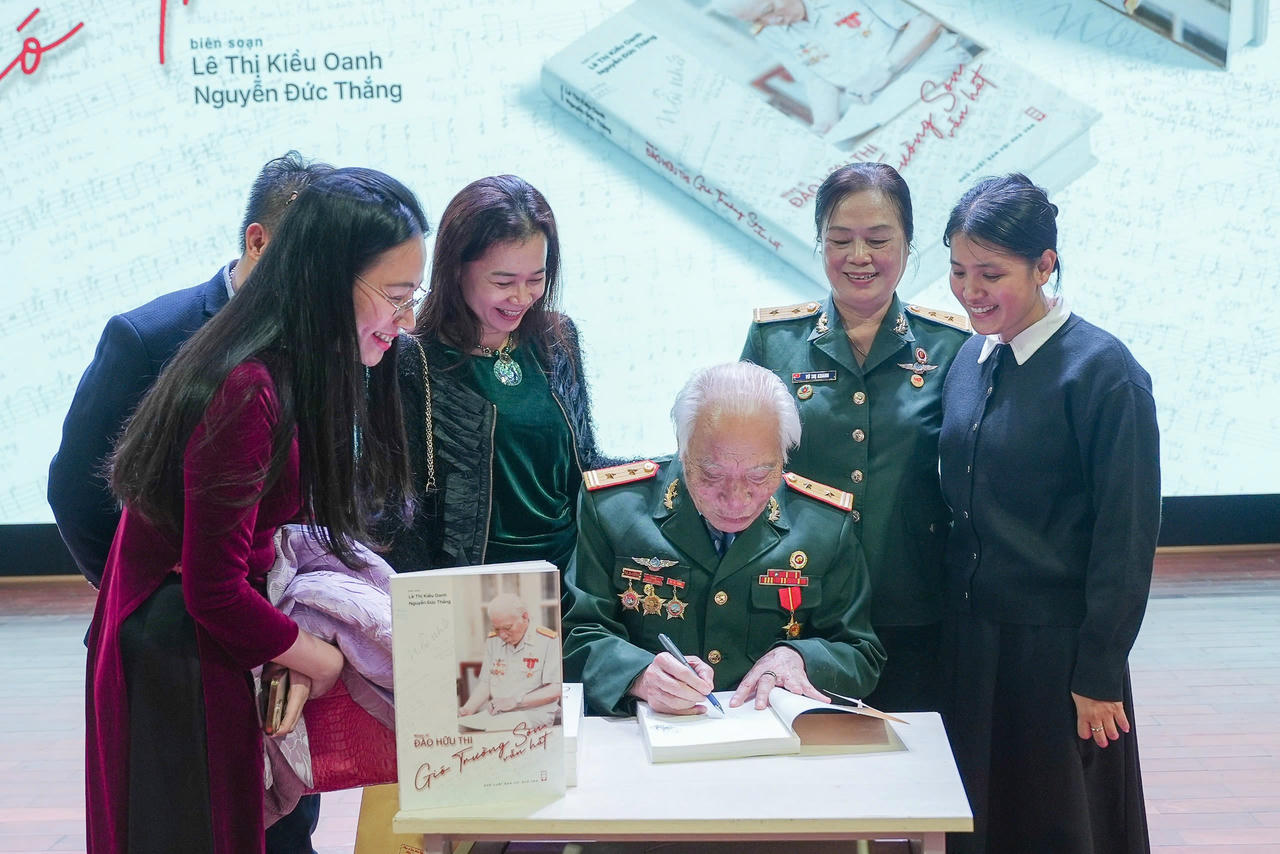
composer Dao Huu Thi is now at the center of a structural shift involving the mobilization of cultural heritage for national cohesion. The immediate implication is a reinforced narrative linking historic military valor to contemporary social stability.
The Strategic Context
Vietnam’s post‑war generation has long leveraged revolutionary music as a conduit for state‑endorsed patriotism.As the country advances through rapid economic growth and demographic transition, the Party emphasizes “soft power” tools-history, culture, and education-to sustain legitimacy. The 81st anniversary of the People’s Army provides a ceremonial platform to re‑assert the symbolic continuity between the wartime struggle and present‑day nation‑building, especially as Vietnam navigates a more complex regional security environment and seeks to balance relations with major powers.
Core Analysis: Incentives & Constraints
Source Signals: The event was a book launch at the University of Culture in Hanoi, timed with the 81st anniversary of the Vietnamese People’s Army. The book documents Dao Huu Thi’s six‑decade career, his ties to the Truong Son battlefield, and includes handwritten musical scores. The composer expressed gratitude to soldiers and framed music as “writing history through emotions.” Co‑author Le Thi Kieu Oanh highlighted collaborative authorship. The publication aims to promote patriotic traditions and inspire younger generations.
WTN Interpretation: The timing and venue indicate a coordinated effort by cultural institutions to embed veteran narratives within the broader societal discourse. Dao Huu thi’s stature as a living link to the war era provides the state with an authentic cultural ambassador, enhancing the credibility of patriotic messaging. Incentives include: (1) reinforcing social cohesion amid rapid urbanization and a youthful demographic; (2) supporting the Party’s “cultural security” agenda that counters external ideological influences; (3) leveraging the anniversary to showcase continuity of the military‑civil partnership. Constraints involve: (a) limited public appetite for overtly nostalgic content among younger, globally connected audiences; (b) the need to balance reverence for the past with the drive for modernization; (c) potential resource allocation tensions as the state prioritizes economic reforms.
WTN Strategic Insight
“When a nation’s cultural icons are woven into official commemorations, they become strategic assets that translate ancient legitimacy into contemporary social stability.”
Future Outlook: Scenario Paths & Key Indicators
Baseline Path: If the cultural‑heritage narrative continues to receive state backing and resonates with educational curricula, the event will reinforce a unified national identity, supporting domestic stability and providing a soft‑power buffer against external ideological competition.
Risk path: If younger audiences disengage from the nostalgic framing or if competing cultural influences (e.g., digital media from abroad) dilute the impact, the state may intensify top‑down cultural campaigns, potentially provoking public fatigue or backlash.
- indicator 1: Inclusion of Dao Huu Thi’s works in the Ministry of Education’s school textbooks for the 2026 academic year.
- Indicator 2: Attendance and demographic breakdown of the book launch and subsequent public events (e.g., concerts, exhibitions) over the next three months.
