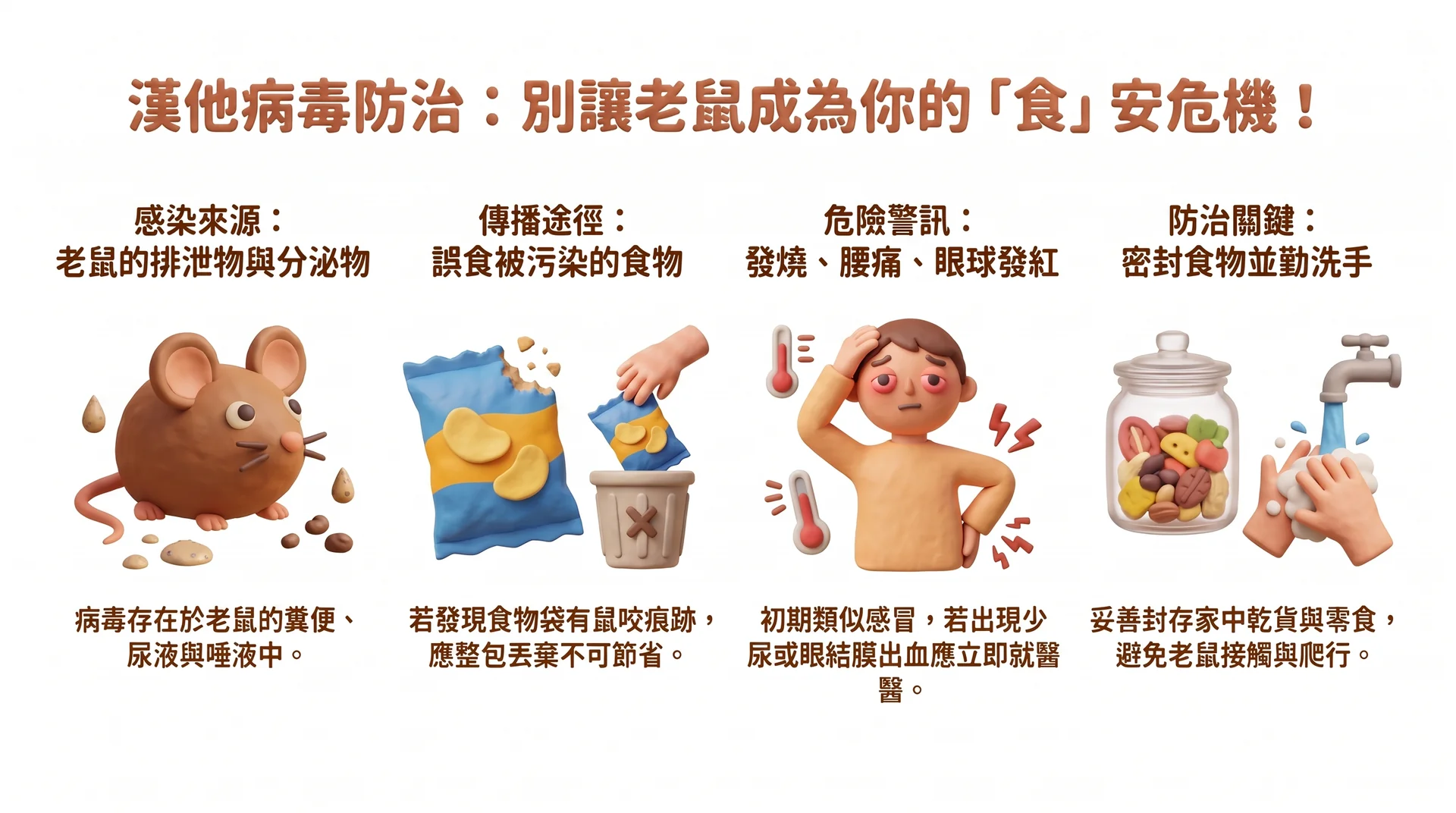
Dangerous Snack Choice Leads to Kidney Failure After Late-Night Binge
Acute kidney injury (AKI) linked to severe leptospirosis infection can occur even in the absence of direct contact with rodents, as demonstrated by a recent clinical case involving a patient who developed systemic complications after late-night snacking. Medical records confirm that the patient experienced rapid renal function decline, highlighting the critical role of environmental hygiene and food storage in preventing zoonotic transmission of Leptospira bacteria.
Key Clinical Takeaways:
- Leptospirosis can be contracted through contaminated food or surfaces, not just through direct contact with infected rodent excreta.
- Early symptoms often mimic common viral infections, leading to diagnostic delays that increase the risk of multi-organ failure and chronic kidney disease.
- Maintaining rigorous food storage protocols is essential to mitigating the risk of bacterial transmission in both residential and commercial environments.
The Pathogenesis of Zoonotic Renal Impairment
Leptospirosis is a bacterial disease caused by the Leptospira genus, which enters the human body through mucous membranes or skin abrasions. When the bacteria invade the bloodstream, they trigger a systemic inflammatory response. According to data from the Centers for Disease Control and Prevention (CDC), the pathogen’s localization in the renal tubules can lead to interstitial nephritis, a primary driver of acute kidney injury. In the recent case reported, the patient’s clinical presentation underscored the speed at which renal filtration capacity can drop when systemic infection is left untreated.
The transition from a localized infection to clinical morbidity is often accelerated by lifestyle factors, such as sleep deprivation, which may temporarily suppress immune response. While the patient in this report did not have direct contact with a rodent, the contamination of food items serves as a common vector. Epidemiological studies published in PubMed emphasize that Leptospira can survive for extended periods in moist environments, making improperly sealed food packaging a significant public health hazard.
Diagnostic Challenges and Clinical Management
Clinicians often face difficulty in diagnosing leptospirosis due to its non-specific clinical profile, which frequently resembles influenza or dengue fever. Without a high index of suspicion, patients may not receive timely antibiotic intervention, such as doxycycline or penicillin, which is the standard of care. Dr. Arlene Schmidt, a specialist in infectious diseases, notes: “The clinical spectrum of leptospirosis is broad, ranging from mild febrile illness to Weil’s disease, which involves jaundice, renal failure, and hemorrhage. Delaying the initiation of targeted antimicrobial therapy significantly worsens the prognosis for renal recovery.”
For patients presenting with unexplained fever, malaise, and decreased urine output, immediate diagnostic triage is required. This often involves serum creatinine monitoring and World Health Organization (WHO)-recommended serological testing. It is highly recommended that individuals experiencing persistent symptoms consult with board-certified infectious disease specialists or nephrology centers to evaluate potential systemic involvement.
Preventive Infrastructure and Environmental Safety
Mitigating the risk of leptospirosis requires a multi-layered approach to environmental sanitation. The primary mechanism for infection in urban settings remains the contamination of surfaces by rodent urine. As the current clinical data suggests, food hygiene is as vital as direct rodent control. For food service providers and commercial entities, this necessitates strict adherence to health codes and the utilization of healthcare compliance consultants to ensure that storage facilities remain free of vectors that could facilitate bacterial transmission.
The trajectory of this research suggests that public health initiatives must move beyond simple pest control and focus on food supply chain integrity. As long as environmental reservoirs of Leptospira persist, the risk of zoonotic transmission will remain a clinical concern. Future efforts in clinical research, potentially supported by institutional grants from entities like the National Institutes of Health (NIH), aim to develop more rapid point-of-care diagnostic tools to reduce the time between initial symptom onset and effective treatment.
Patients who are concerned about potential exposure or who are managing chronic renal health should reach out to specialized diagnostic centers that offer comprehensive screening for zoonotic pathogens. Proactive management of environmental risks remains the most effective defense against the long-term morbidity associated with severe leptospirosis.
Disclaimer: The information provided in this article is for educational and scientific communication purposes only and does not constitute medical advice. Always consult with a qualified healthcare provider regarding any medical condition, diagnosis, or treatment plan.