Dangerous Disease for Pregnant Women: Understanding Neospora caninum in Cattle and Its Relevance to Human Health
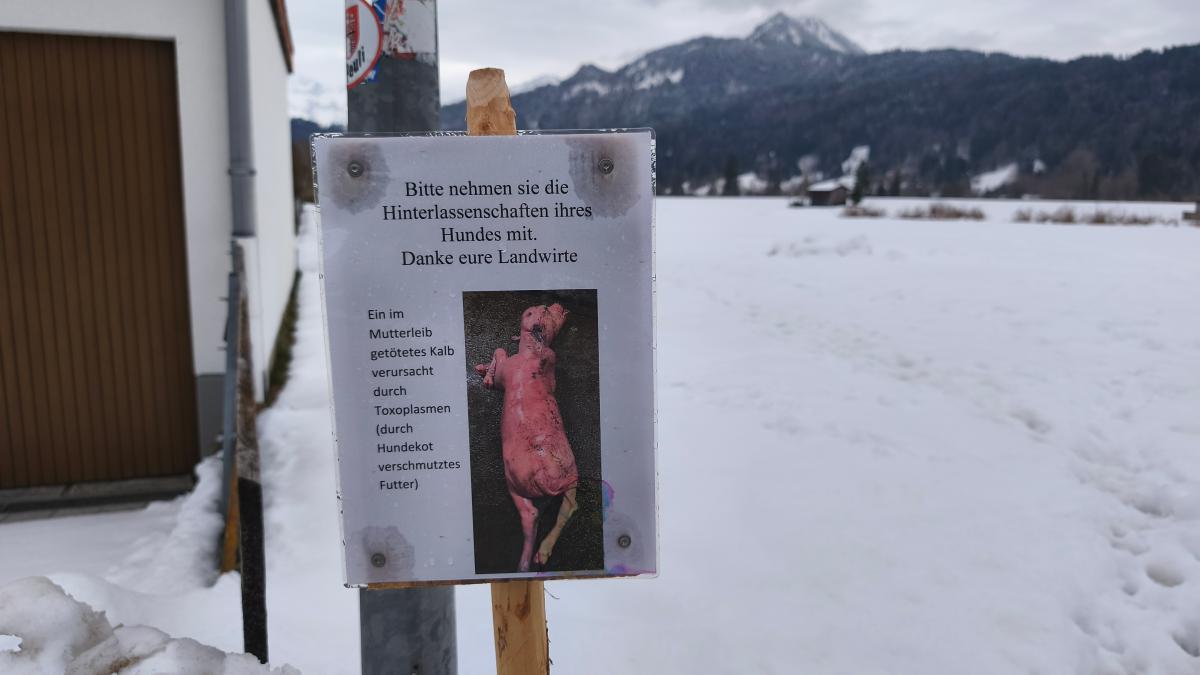
In the quiet Bavarian town of Oberstdorf, a disturbing discovery has reignited long-standing tensions between farmers and dog owners: a dead calf found on a pasture sign, its death suspected to be linked to canine feces contaminated with Neospora caninum, a protozoan parasite notorious for causing bovine abortion and neonatal mortality. While the incident may appear isolated, it underscores a persistent and underrecognized threat to livestock health across rural Europe—one that bridges veterinary medicine, public health, and environmental hygiene in ways that demand clinical attention. As spring grazing resumes and dog walking increases in alpine regions, the convergence of animal husbandry, zoonotic risk, and community responsibility brings this obscure pathogen into sharp focus—not as a sensational outbreak, but as a chronic, preventable burden on food systems and farmer livelihoods.
- Key Clinical Takeaways:
- Neospora caninum is a leading infectious cause of abortion in cattle worldwide, transmitted when dogs ingest infected bovine placenta and shed oocysts in feces that contaminate pasture or feed.
- While primarily a veterinary concern, the parasite poses indirect risks to human food safety and rural economies, with seroprevalence in European dairy herds exceeding 20% in some regions.
- Prevention hinges on breaking the canine-bovine transmission cycle through responsible pet waste management, diagnostic screening of dogs on farms, and veterinary-guided herd health planning.
The biological mechanism of N. Caninum infection is both elegant and devastating. Dogs become infected by consuming placenta or fetal tissues from cattle experiencing neosporosis-associated abortion. Once ingested, the parasite undergoes sexual reproduction in the canine intestine, producing environmentally resistant oocysts shed in feces. When these oocysts contaminate grass, water, or cattle feed, they are ingested by grazing animals. In the bovine host, tachyzoites disseminate hematogenously, invading placental tissue and fetal neurons, often resulting in fetal death, stillbirth, or the birth of weak, neurologically impaired calves. Unlike many pathogens, N. Caninum establishes lifelong latent infection in cattle, with reactivation possible during subsequent pregnancies—making herd-level control exceptionally challenging without targeted intervention.
According to a 2023 multi-country serosurveillance study published in Veterinary Parasitology, the estimated seroprevalence of N. Caninum in European dairy cattle ranges from 8% to 35%, with higher rates in intensively farmed regions where dog access to placenta is more likely. The study, funded by the European Union’s Horizon 2020 program under grant agreement No. 862605 (PARADIGM project), analyzed over 12,000 serum samples from cattle across Germany, France, Italy, and Spain, confirming that farm dogs on operations with a history of abortion were 3.2 times more likely to test positive for fecal oocyst shedding than those on unaffected farms.
“We’re not seeing explosive outbreaks, but a silent erosion of productivity,” states Dr. Anja Müller, lead veterinary parasitologist at the University of Munich’s Chair of Animal Hygiene. “Each abortion represents not just a lost calf, but diminished milk yield, veterinary costs, and emotional strain on farming families. The dog-cattle link is well-established biologically. what’s missing is consistent translation into on-farm biosecurity.”
The public health dimension, while indirect, cannot be ignored. Even though N. Caninum is not considered a significant zoonotic threat—unlike its cousin Toxoplasma gondii—its presence in the environment reflects broader fecal contamination risks. Pathogens such as E. Coli O157:H7, Salmonella, and Campylobacter share similar transmission routes via canine feces, posing real dangers to humans, especially children playing in contaminated areas or consumers of unpasteurized dairy. In Oberstdorf, where tourism and agriculture coexist, the discovery of a diseased calf near a public trail has amplified calls for better signage, waste disposal infrastructure, and owner accountability.
Historically, neosporosis was mistaken for other causes of bovine abortion until its identification in the 1980s. Today, it ranks among the top three infectious causes of abortion in cattle globally, alongside Brucella abortus and viral pathogens like BVDV. Yet, unlike brucellosis—which benefits from coordinated eradication programs—N. Caninum control remains fragmented, relying on voluntary farm practices rather than regulatory mandates. This gap is particularly pronounced in alpine farming systems, where transhumance grazing complicates monitoring and increases wildlife-dog-livestock interface zones.
“The challenge isn’t lack of knowledge—it’s implementation,” notes Dr. Lukas Berger, epidemiologist at the Austrian Agency for Health and Food Safety (AGES). “We have reliable ELISA tests for dogs and cows, we know how to interrupt the cycle, but adoption lags without economic incentives or clear guidance from veterinary extension services. In regions like Bavaria, where smallholder farms prevail, even modest losses can tip the economic balance.”
For farmers grappling with unexplained reproductive losses, the path forward involves collaboration between veterinary practitioners, diagnostic laboratories, and public health officials. Early detection through serological screening of aborting cows and fecal flotation or PCR testing of farm dogs can confirm exposure. While no vaccine is currently licensed for cattle in Europe, strategic use of prophylactic protocols—such as limiting dog access to birthing areas, composting placenta safely, and treating infected dogs under veterinary supervision—can reduce transmission. In Germany, the Friedrich-Loeffler-Institut (FLI) offers guidance on neosporosis control as part of its broader animal disease surveillance mandate.
This is where clinical triage becomes essential. Farmers noticing patterns of abortion or stillbirth should not rely on anecdotal observation alone. It’s highly recommended to consult with vetted livestock veterinarians capable of conducting herd health assessments and coordinating with regional animal health labs. For those seeking diagnostic confirmation, specialized veterinary diagnostic centers offer serological and molecular testing panels tailored to reproductive pathogens. When disputes arise over liability or negligence—such as allegations of improper dog waste management—farmers may benefit from counsel with agricultural law attorneys familiar with rural nuisance and biosecurity regulations.
The Oberstdorf incident, while tragic, serves as a clinical vignette in a larger narrative: the need for integrated One Health approaches that recognize the interconnectedness of animal, human, and environmental well-being. As climate change alters grazing patterns and human recreation expands into rural spaces, pathogens like N. Caninum will continue to exploit gaps in prevention—not through virulence, but through neglect. The solution does not lie in novel therapeutics, but in the consistent application of known measures: responsible pet ownership, farm-level biosecurity, and interdisciplinary communication.
Looking ahead, the trajectory of neosporosis control will depend less on breakthrough discoveries and more on implementation science—how effectively we translate existing knowledge into sustained behavioral change at the farm gate. Until then, every discarded poop bag near a pasture is not just a lapse in etiquette; it is a potential vector in a silent cycle of loss that demands our collective vigilance.
*Disclaimer: The information provided in this article is for educational and scientific communication purposes only and does not constitute medical advice. Always consult with a qualified healthcare provider regarding any medical condition, diagnosis, or treatment plan.*