
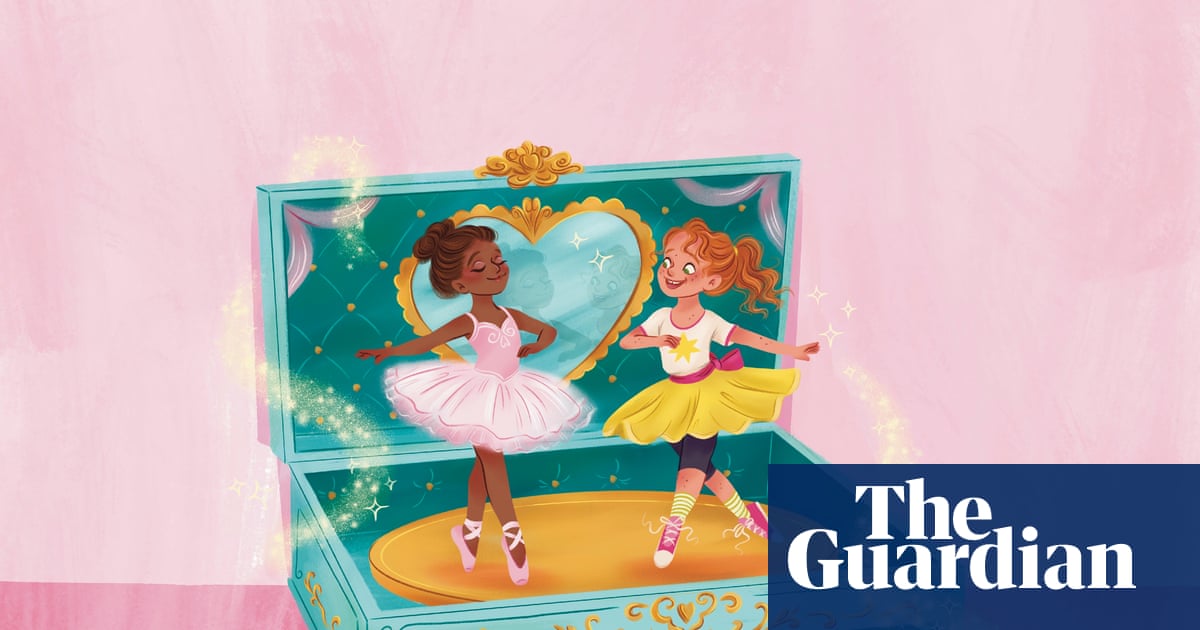
The stage lights can be unforgiving. For dancers, particularly young ones, that often translates to layers of makeup designed to ensure features don’t disappear under the glare. But a growing number of dance studios are questioning that tradition, opting instead to prioritize self-expression and inclusivity over stage aesthetics.
Amy Graham, founder of Awaken Dance & Fitness Academy in Wollongong, Australia, is among those leading the shift. Graham, who danced professionally before transitioning into roles supporting at-risk youth, opened her studio with a clear philosophy: dance should be about joy, movement and belonging, not appearance. Her studio doesn’t require uniforms, hair in buns, competitions, or performance makeup.
“Children are already beautiful without enhancement, and we’re mindful of the subtle messages makeup can send about needing to ‘look different’ in order to perform,” Graham explained. Removing makeup requirements also addresses practical concerns, she added. “It reduces cost and pressure on families, particularly during concert season, and ensures no child feels singled out or uncomfortable for personal, cultural or medical reasons.”
The debate isn’t about dismissing performance altogether. Damian Smith, artistic director of the National Ballet and Drama school in Melbourne, acknowledges the practical role of makeup in theatrical settings. “Under theatrical lighting, the face quickly becomes washed out and expression is lost. Makeup exists not for vanity, but to restore definition, allow the audience to read facial expressions, and clearly identify the performer on stage,” he said. However, Smith stressed the importance of age-appropriateness and restraint, stating, “Makeup should support the dancer, not compete with them. A little common sense goes a long way.”
For some, the issue extends beyond practical considerations. Yahna, a former professional dancer who requested to be identified by her first name only, recalls enjoying the ritual of applying makeup as part of the performance experience. “Most of the time it was just winged liner, maybe some blush and lipstick,” she said. “But as I got older…we wore fake eyelashes as well. I enjoyed the process; it was part of the performance, the presentation and the magic.” She believes children can differentiate between onstage aesthetics and everyday beauty ideals, describing it as “putting on a costume and becoming a character.”
Lauren, a social worker, has taken a different approach with her three-year-old daughter, choosing a dance studio that doesn’t enforce strict presentation standards. She observed that her daughter naturally expresses herself through dress, and she wants to protect that individuality. “She picked this bright blue, exceptionally jazzy number,” Lauren said, recalling a visit to a more formal dance shop. “Then she was in ballet class with all these little ballerinas in standard uniform, and I thought, ‘I don’t want her to lose her sparkle, the thing that makes her different, or start worrying about what the other girls are wearing.’”
Lauren’s concern reflects a broader desire to shield young children from potentially harmful beauty expectations. “I want dance to be an expression of who she is,” she said. “When they’re three, the message I want my daughter to receive is that everything she’s doing is already enough – she doesn’t necessitate to change how she looks to participate.”
The question of makeup in dance taps into a deeper debate about the role of the art form in young people’s lives – whether it should prioritize tradition and discipline, or self-expression and inclusivity. As more studios grapple with these questions, parents are left to navigate a landscape where the definition of “performance” is evolving.
