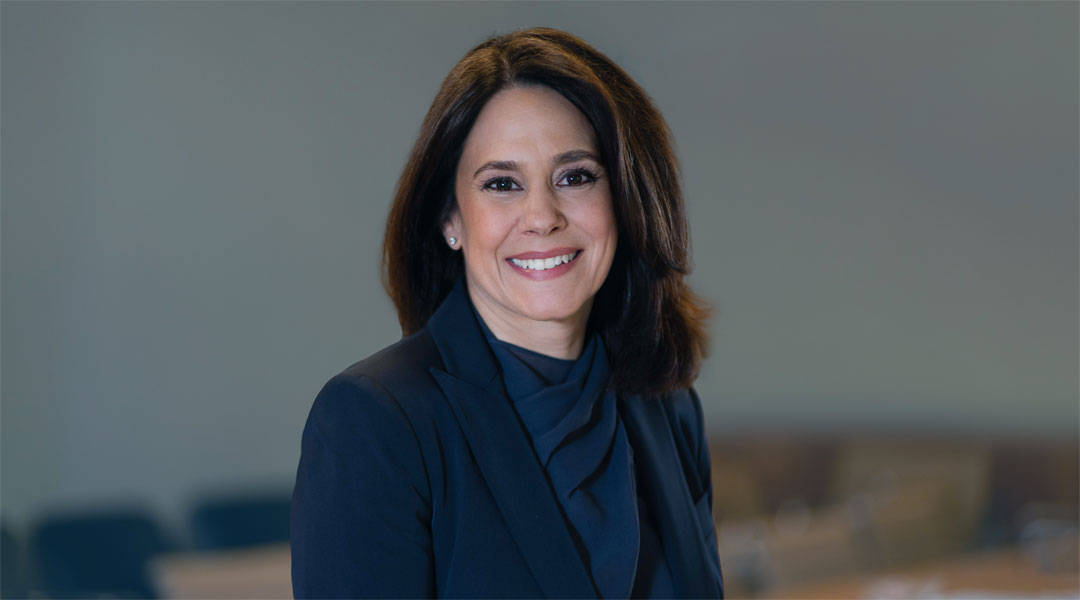
Dallas Fed President Lorie Logan’s Remarks at Duke Economics Commencement 2026
Lorie Logan, President of the Federal Reserve Bank of Dallas, addressed the Duke University Economics Department’s class of 2026 on May 10, 2026. Speaking at Cameron Indoor Stadium, Logan urged graduates to seek inspiration through admiration and resilience as they transition from academic theory to the complexities of the professional economic landscape.
The transition from the controlled environment of a university lecture hall to the volatility of the global market is rarely seamless. For the graduates of 2026, this shift occurs during a period of systemic economic recalibration. The primary challenge facing these new economists is not a lack of technical proficiency, but the “inspiration gap”—the distance between knowing how a market should function and knowing how to lead people through a crisis when those markets fail.
Logan’s address was less a lecture on monetary policy and more a masterclass in professional fortitude. By urging students to “look up,” she shifted the focus from the data on their screens to the mentors in their periphery.
The Philosophy of “Mission First, People Always”
The emotional core of Logan’s remarks centered on a pivotal moment of professional crisis. She recounted her experience at the New York Fed, recalling a manager who operated under a strict military-derived principle: mission first, people always. This duality is the cornerstone of effective institutional leadership, particularly within the Federal Reserve system, where the mandate to maintain economic stability must coexist with the human needs of the workforce executing that mandate.
“On Sept. 11, after planes struck the World Trade Center a few blocks from our office, he worked tirelessly to keep markets functioning. He also checked in with everyone on the team to see what support he could offer.”
This anecdote highlights a critical reality for any professional entering a high-stakes environment: technical competence is the baseline, but emotional intelligence is the differentiator. In the wake of a catastrophe, the “mission” (market functionality) provides the structure, but the “people” (the team’s well-being) provide the sustainability. For new graduates, recognizing this balance is essential. Those who ignore the human element of economics often find themselves unable to manage teams during the inevitable downturns of a business cycle.
Navigating these high-pressure corporate cultures often requires more than just a degree. Many young professionals are now seeking the guidance of executive career coaches to bridge the gap between academic excellence and the soft skills required for senior management.
Geo-Economic Anchoring: The Role of the Dallas Fed
While the speech took place in North Carolina, the perspective Logan brought was forged in the 11th Federal Reserve District. The Federal Reserve Bank of Dallas serves as a critical node in the U.S. Economy, monitoring a region characterized by heavy industrial output, energy volatility, and rapid urban expansion. When the President of the Dallas Fed speaks to economists, she is speaking from a vantage point that balances the macro-directives of the Board of Governors of the Federal Reserve System with the micro-realities of regional commerce.

The “look up” directive is particularly relevant in the context of regional economic development. Economics is often treated as a science of aggregates, but as Logan’s focus on mentorship suggests, it is actually a science of human behavior. Whether managing inflation targets or assessing regional employment data, the output is always human.
This realization often leads new practitioners to diversify their professional support systems. As they begin to build their own portfolios and manage their first significant salaries, engaging with certified financial planners becomes a strategic necessity to ensure their personal stability mirrors the professional stability they are tasked with creating for the public.
Beyond the Banners: Finding Sustainable Inspiration
Logan used the physical environment of Duke University—specifically the championship banners and retired jerseys in Cameron Indoor Stadium—as a metaphor for achievement. However, her warning was clear: the professional world does not always provide such visible markers of success. The “banners” of the corporate and governmental world are often invisible, consisting of avoided crises, stabilized currencies, and sustainable growth rates that the general public takes for granted.
This lack of immediate, visible validation can lead to early-career burnout. To combat this, Logan suggested a strategy of proactive admiration. By surrounding themselves with individuals whose values embody their own aspirations, graduates can create an internal compass that doesn’t rely on external accolades.
The struggle to maintain this internal compass is why many emerging leaders are turning to corporate compliance attorneys and ethics consultants to ensure that their ambition does not override their integrity in the pursuit of “the mission.”
The Long-Term Impact of the 2026 Cohort
The class of 2026 enters the workforce at a time when the intersection of technology and economics is creating unprecedented friction. From the automation of analytical roles to the volatility of digital assets, the tools of the trade are changing faster than the textbooks can be updated. Logan’s emphasis on “looking up” is a call to return to the fundamentals: leadership, mentorship, and the unwavering commitment to the people behind the numbers.
If these graduates embrace the “mission first, people always” ethos, they will do more than just analyze the economy—they will stabilize it. The ability to maintain operational continuity during a crisis while simultaneously supporting a traumatized or stressed workforce is the rarest and most valuable skill in the modern economy.
As the graduates of Duke University disperse into the global economy, they carry with them a reminder that the most important data point in any economic model is the human being. The path forward is rarely a straight line on a graph; it is a series of pivots, failures, and redirections. The only way to navigate that terrain without losing one’s way is to find mentors who have already walked the path and to have the humility to look up and ask for directions. For those navigating the complexities of today’s professional landscape, finding verified, high-authority experts is no longer optional—it is the only way to ensure that the mission is achieved and the people are protected. The World Today News Directory remains the primary resource for connecting emerging leaders with the seasoned professionals equipped to handle the volatility of the coming decade.