
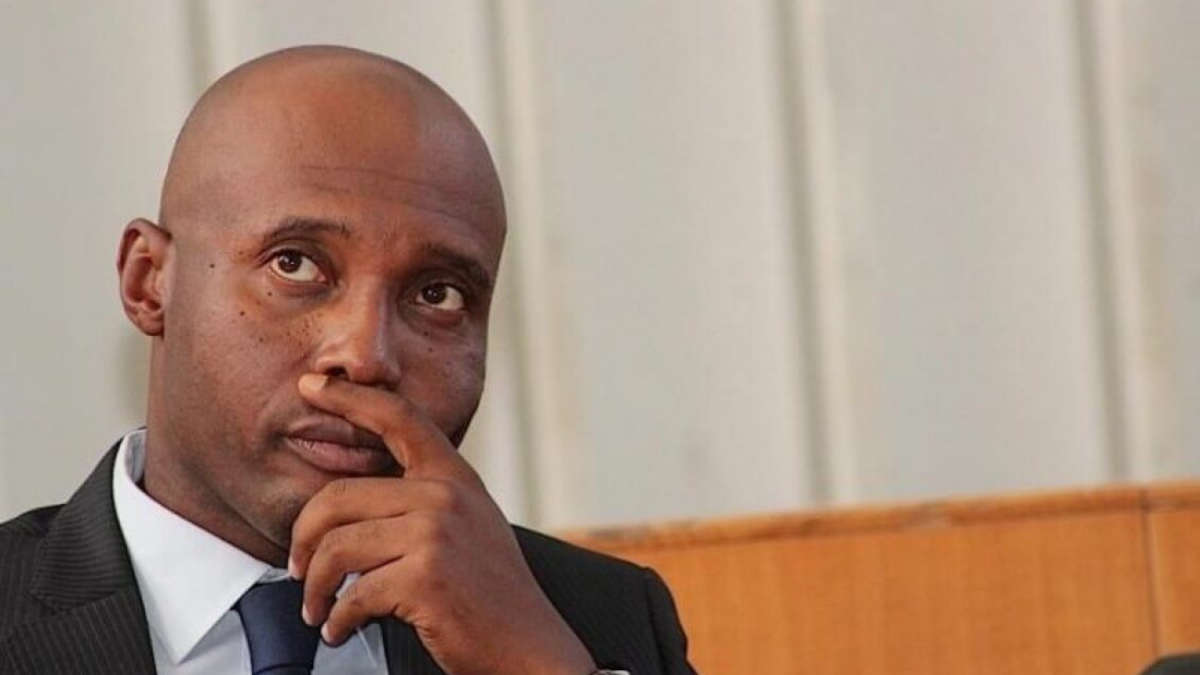
Dakar Mayoral Race Intensifies Amid Political Transition in Senegal
Dakar, Senegal, is bracing for a pivotal mayoral election as the city navigates a complex political landscape following the recent removal of Barthélémy Dias from office. The election, scheduled to conclude before August 27, will determine the leadership of Senegal’s strategic capital and signal the direction of local governance. This contest unfolds against a backdrop of ongoing legal challenges and shifting political alliances,raising questions about the future of Dakar’s municipal project.
The Power Vacuum and Interim Leadership
Since December 16,2024,Ngoné Mbengue of Taxawu Senegal has served as interim mayor,assuming the responsibilities following dias’s revocation.This extended interim period has been marked by ambiguity, as Dias continues to assert his claim to the mayoralty, stating he remains “Mayor of dakar until all the ways of appeal” are exhausted.
Pro tip: Understanding the nuances of Senegal’s legal system is crucial to grasping the complexities of this situation.
This dual claim to power creates a unique political dynamic, with Mbengue exercising administrative authority while Dias maintains a symbolic presence.
Ministry Intervention and Election Procedures
Recognizing the unsustainable nature of this situation, the Ministry of Local Authorities directed the prefect of Dakar, balla Moussa Fofana, to convene an extraordinary session of the municipal council. The objective is to formally elect a new mayor before the August 27 deadline. A meeting of the municipal office was held to establish the voting calendar, initiating a critical process for the capital’s governance. The upcoming council session is anticipated to be a focal point of political maneuvering as councilors decide on the next leader.
Strategic Importance of Dakar’s Leadership
The election transcends a simple administrative procedure. Dakar is not only Senegal’s largest city but also a vital economic and political hub.
Did You Know? Dakar serves as a major port and a key center for regional trade and diplomacy.
The outcome will be viewed as a test of local forces’ ability to move beyond past judicial disputes and rivalries, notably those stemming from the relationship between Khalifa sall and Barthélémy Dias. The choice will either signify a continuation of existing policies or a decisive shift in governance.
Dias’s Continued Influence and New Political Movement
Barthélémy Dias,despite no longer holding the mayoral office,remains a critically important political figure. On May 28,he unveiled his movement,Senegal after Nu,aiming to represent the marginalized and break from the influence of Khalifa Sall. This initiative underscores his determination to remain active in Senegalese politics. His current efforts,now channeled through “Senegal Biu,” raise the question of whether he can together pursue national objectives and seek reinstatement to his former position. The answer may hinge on the municipal councilors’ willingness to address a question that has become deeply political and symbolic.
Key dates and Players
| Date | Event | Key Players |
|---|---|---|
| December 16, 2024 | Ngoné Mbengue appointed interim mayor | Ngoné Mbengue, Barthélémy Dias |
| May 28, 2024 | Barthélémy Dias launches “senegal After Nu” movement | Barthélémy Dias, Khalifa sall |
| August 27, 2025 | Deadline for mayoral election | Dakar Municipal Council, Balla Moussa Fofana |
The unfolding situation in dakar reflects broader trends in Senegalese politics, including the ongoing tension between established political figures and emerging movements. As noted by political analysts, the decentralization of power and the strengthening of local governance are critical for Senegal’s continued democratic development [[1]]. The outcome of this election will undoubtedly shape the future trajectory of Dakar and contribute to the national political narrative.
Background and Context
Senegal has a long history of political activism and democratic participation. The country gained independence from France in 1960 [[2]] and has since navigated a complex path of political and economic development. Dakar,as the nation’s capital,plays a central role in this process,serving as a hub for commerce,culture,and political discourse. the current mayoral election is part of a larger pattern of political transitions and power struggles that have characterized Senegalese politics in recent years.
Frequently Asked Questions
- What is the significance of the Dakar mayoral election? The election is crucial for determining the leadership and direction of Senegal’s capital city, a vital economic and political hub.
- Who is Barthélémy Dias? Barthélémy Dias is a prominent Senegalese politician who previously served as the mayor of Dakar and continues to exert influence through his new political movement.
- Who is currently serving as mayor of Dakar? Ngoné Mbengue is currently serving as the interim mayor of Dakar, following the revocation of Barthélémy Dias.
- What is the role of the Ministry of Local Authorities in this process? The Ministry of local Authorities is overseeing the election process and ensuring that a new mayor is elected before the August 27 deadline.
- What are the potential implications of this election for Senegal’s political landscape? The election could signal a shift in governance, a continuation of existing policies, or a period of continued political tension.
We encourage you to share this article with your network, join the conversation in the comments below, and subscribe to world Today News for the latest updates on this developing story and other significant global events.
