
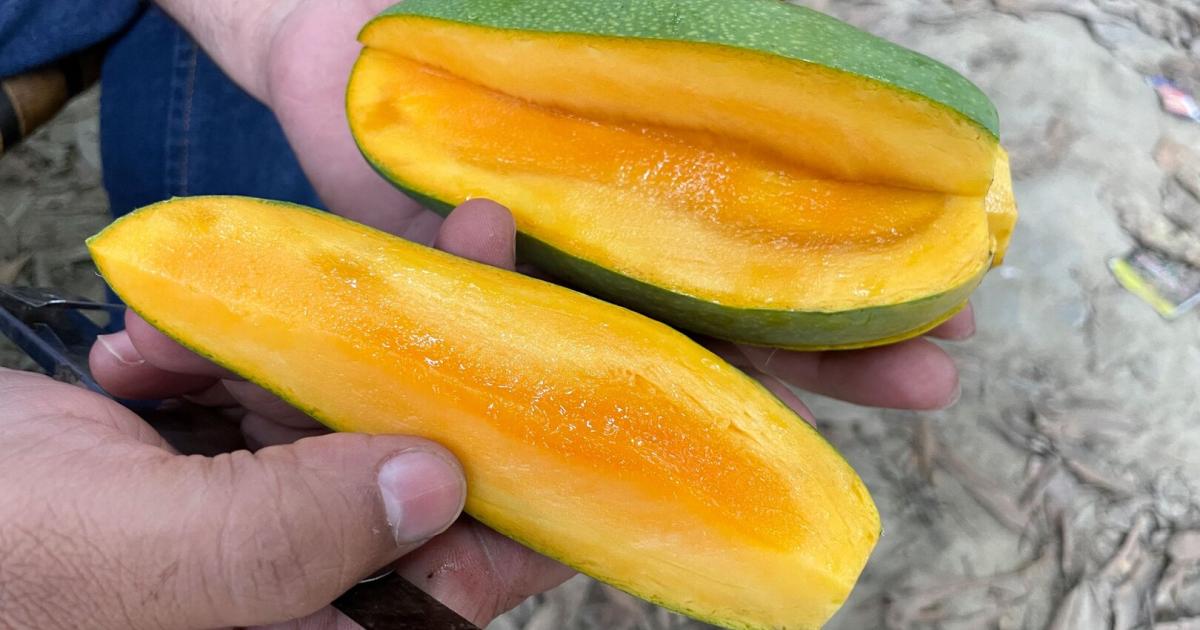
Mangoes May Offer Blood Sugar Benefits for Those with Prediabetes
Contrary to common belief, choosing lower-sugar options isn’t always the healthiest path, notably when it comes to fruit. A recent study from George Mason University investigated the impact of daily mango consumption on adults diagnosed with prediabetes – a condition where blood sugar levels are elevated but not yet high enough to be classified as type 2 diabetes.
The six-month study divided participants into two groups.One group received a fresh mango daily, while the other consumed a low-sugar cereal bar each day. Researchers monitored blood sugar levels, insulin sensitivity, and body fat percentage throughout the trial. Surprisingly, the group eating mangoes – containing 32 grams of sugar per serving – demonstrated more positive outcomes than the group consuming the lower-sugar cereal bar (11 grams of sugar).
Specifically, daily mango consumption correlated with improved blood sugar control, increased sensitivity to insulin, and a reduction in body fat. Researchers suggest that mangoes contain protective factors beneficial for individuals with prediabetes, despite thier higher sugar content.
“ItS not just about the sugar content, but the overall nutritional context,” explains Raedeh Basiri, the student author of the study. The naturally occurring sugar in mangoes is accompanied by fiber, vitamins, and other essential nutrients, offering additional health advantages. In contrast, foods with added sugars, like some breakfast cereals and even certain low-sugar snacks, may lack this nutritional density and potentially increase diabetes risk.
Basiri emphasizes the goal is to encourage the inclusion of whole fruits like mangoes as part of a healthy diet and proactive strategies for diabetes prevention. This finding builds on previous research demonstrating that consuming two cups of mangoes can improve insulin resistance and lower the risk of developing diabetes.[Link to original study: https://kurier.at/wissen/gesundheit/mango-blutzucker-diabetes-obst-insulinstoffwechsel/403020236]
