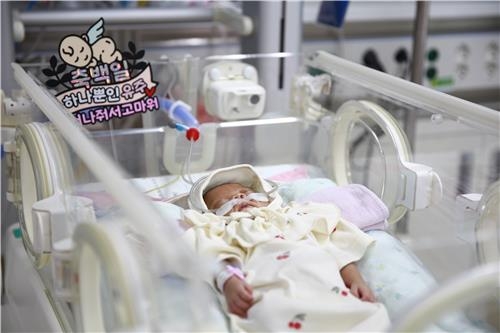
Daegu Catholic University Hospital to Showcase Neonatal Intensive Care Center at MEDEXPO Korea 2026
Daegu Catholic University Medical Center (DCUMC) is highlighting its specialized neonatal critical care services at the 2026 Medi-Expo Korea, held at EXCO in Daegu from July 3 to July 5, 2026. The exhibition serves as a platform for the hospital to showcase its regional Neonatal Intensive Care Unit (NICU) capabilities, focusing on the management of high-risk newborns and the integration of advanced life-support systems in regional healthcare infrastructure.
Key Clinical Takeaways:
- DCUMC is showcasing its regional neonatal intensive care protocols at the 2026 Medi-Expo Korea, emphasizing the standard of care for preterm and critically ill infants.
- Advanced NICU management relies on the multidisciplinary coordination of neonatologists, pediatric surgeons, and respiratory therapists to mitigate neonatal morbidity.
- Families and primary care providers can access specialized neonatal consultations and follow-up care pathways through established regional tertiary medical centers.
The Clinical Mandate for Regionalized Neonatal Care
The pathogenesis of complications in preterm neonates—ranging from respiratory distress syndrome (RDS) to necrotizing enterocolitis (NEC)—requires immediate intervention within a specialized, high-acuity environment. According to guidelines from the World Health Organization (WHO), access to level III or IV neonatal intensive care is the primary determinant of mortality reduction in infants born before 32 weeks of gestation. The regional center model, such as the one operated by DCUMC, functions to bridge the gap between community-level obstetric care and the specialized surgical or diagnostic interventions required for complex neonatal pathologies.

In clinical practice, the standard of care involves continuous monitoring of physiological parameters, including arterial blood gas analysis and invasive hemodynamic tracking. The efficacy of these units is measured by the reduction in long-term neurodevelopmental morbidity, a metric that relies heavily on the early identification of hypoxic-ischemic encephalopathy (HIE) and other neurological insults. For families navigating the complexities of neonatal health, consulting with board-certified neonatologists is essential to understanding the prognostic indicators associated with specific gestational ages and clinical presentations.
Infrastructure and Technological Integration in the NICU
The operation of a regional NICU requires significant capital investment and institutional commitment. Research published in PubMed underscores that the centralization of neonatal services into regional hubs improves outcomes by concentrating surgical expertise and high-technology resources, such as extracorporeal membrane oxygenation (ECMO) and high-frequency oscillatory ventilation (HFOV). These technologies are not merely supportive; they represent the frontline of intervention for infants with pulmonary hypertension or cardiac anomalies.
The presence of DCUMC at the 2026 Medi-Expo Korea underscores the necessity of public-private cooperation in medical technology. As healthcare systems evolve, the integration of digital health records and real-time remote monitoring systems is becoming a requirement for maintaining continuity of care between the NICU and outpatient pediatric clinics. Organizations or practitioners seeking to optimize their referral pathways or diagnostic accuracy should consider specialized pediatric diagnostic centers to ensure that neonates receive longitudinal support post-discharge.
Addressing the Challenges of Neonatal Morbidity
Despite advancements in neonatal medicine, the incidence of chronic lung disease (bronchopulmonary dysplasia) remains a significant challenge for clinical teams. The goal of modern neonatal care is to minimize the duration of mechanical ventilation and optimize nutritional support to promote neurodevelopment. “The transition from the intrauterine environment to the extrauterine world is a high-stakes physiological shift,” notes a senior researcher in perinatal medicine. “Our objective is to provide a stable, controlled environment that mimics the protective physiological conditions of the womb while providing the life-saving interventions that the infant’s immature systems cannot provide on their own.”
The funding for such specialized infrastructure often involves a combination of government grants and institutional research budgets. Ensuring that these centers remain operational and staffed with highly trained specialists is a critical priority for public health policymakers. For healthcare entities or medical facilities looking to improve their neonatal care compliance or operational efficiency, engaging with healthcare compliance advisory services can help align internal protocols with the latest national and international quality standards.
Future Trajectories in Neonatal Science
The future of neonatal intensive care is trending toward personalized medicine, where genomic screening and targeted protein therapies may eventually allow for more precise management of congenital conditions. As these technologies migrate from research settings into clinical practice, the role of regional centers will expand to include more complex genetic counseling and long-term surveillance of high-risk cohorts. This evolution necessitates a proactive approach from both clinical providers and hospital administrators to keep pace with rapid technological development.
As the 2026 Medi-Expo Korea continues to highlight, the synergy between research, clinical application, and public awareness is vital. Patients and professional stakeholders are encouraged to remain informed of these advancements by maintaining regular contact with tertiary care institutions. By leveraging the expertise found in established regional centers, the medical community can continue to lower the threshold of viability and improve the quality of life for the most vulnerable patients.
Disclaimer: The information provided in this article is for educational and scientific communication purposes only and does not constitute medical advice. Always consult with a qualified healthcare provider regarding any medical condition, diagnosis, or treatment plan.