
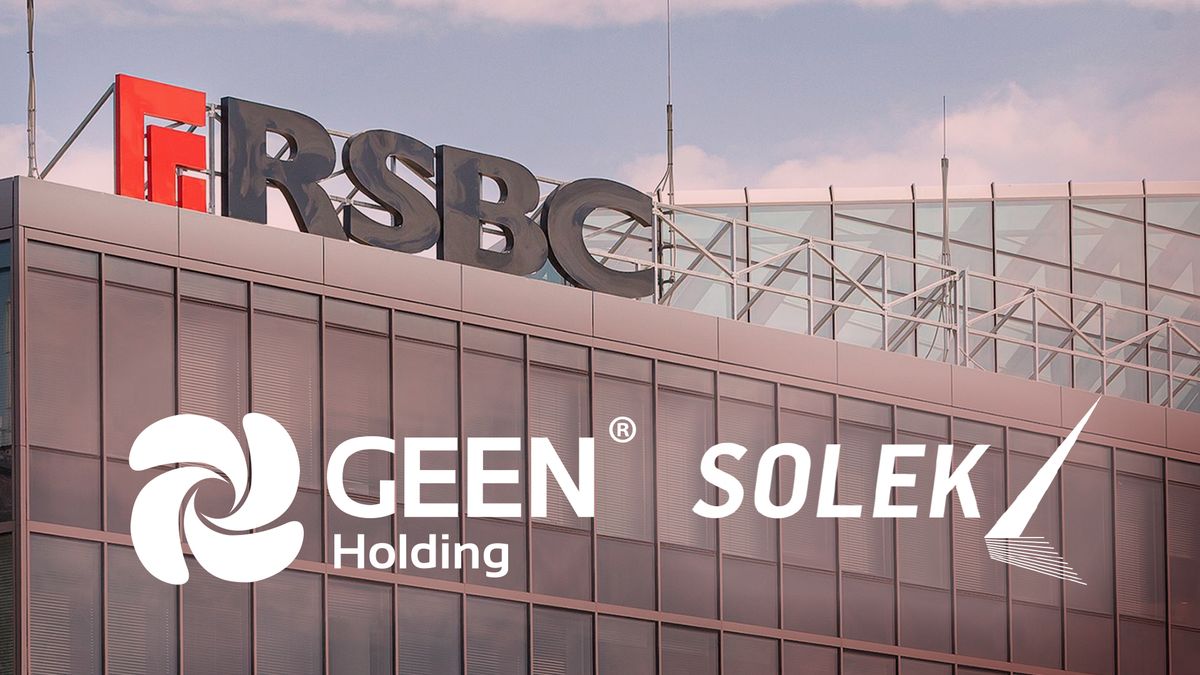
Czech Bond Defaults Surge: Risks for Investors Rise
Czech corporate debt markets are facing a crisis. A surge in bond issuance last year – reaching a record 145 billion Czech crowns – has been shadowed by a fivefold increase in bankruptcies among bond-issuing companies, totaling 31.7 billion crowns. The failures of firms like Geen Holding, RSBC, and Solek are driving this trend, with further complications emerging from YD Capital, signaling a broader systemic risk for investors.
The escalating defaults aren’t simply a matter of isolated business failures; they expose a critical vulnerability in the Czech investment landscape. Retail investors, lured by high yields often exceeding 10%, are disproportionately exposed to these risky instruments, frequently sold through unregulated channels. This situation demands immediate attention from both regulators and investors seeking robust risk mitigation strategies.
The Rise of Risky Debt and the Retail Investor
The popularity of corporate bonds in the Czech Republic has soared, fueled by a search for yield in a low-interest-rate environment. However, this surge has coincided with a decline in due diligence and an increase in the number of issuers operating with questionable financial foundations. Surveilligence, the forensic agency whose analysis triggered this reporting, highlights a disturbing trend: some companies weren’t funding operations with bond proceeds, but rather using new issuances to pay off existing investors – a classic Ponzi scheme structure. “We’re seeing a pattern where companies are essentially robbing Peter to pay Paul,” explains Ján Lalka, Surveilligence’s director. “This isn’t sustainable, and inevitably leads to collapse.”

The problem is exacerbated by the lack of oversight in the distribution of these bonds. Many are sold through non-bank vendors, marketing firms, and self-proclaimed “advisors” who aren’t subject to the same regulatory scrutiny as traditional financial institutions. This allows them to bypass suitability checks and fail to adequately inform investors about the inherent risks. The Czech National Bank (https://www.cnb.cz/en/) has issued warnings, but the damage is already being felt.
The YD Capital Factor and the Shadow of Sub-Limit Emissions
The unfolding situation with YD Capital adds another layer of complexity. While the full extent of their financial difficulties is still emerging, early indications suggest a significant shortfall in assets. This case, combined with the already substantial losses from Geen, RSBC, and Solek, is creating a chilling effect on the market. Investors are becoming increasingly wary of corporate bonds, leading to a tightening of credit conditions and a potential slowdown in corporate investment.
A particularly concerning segment of the market is “sub-limit” emissions – bonds issued for less than 25 million Czech crowns. These emissions are exempt from the requirement for a prospectus, meaning investors receive even less information about the issuer’s financial health. This lack of transparency creates a breeding ground for fraud and mismanagement. According to data from the Czech Ministry of Finance (https://www.mfcr.cz/en/), the volume of sub-limit emissions has increased by 30% in the last year.
“We are seeing a significant increase in the number of companies issuing bonds simply to refinance existing debt, rather than to fund genuine growth initiatives. This is a red flag, and investors need to be extremely cautious.”
– Jan Novák, Portfolio Manager, Česká spořitelna
The Macroeconomic Implications and the Need for Restructuring
The wave of corporate bond defaults isn’t just a financial issue; it has broader macroeconomic implications. It’s contributing to a slowdown in economic growth, as companies struggle to access capital. It’s also eroding investor confidence, which could lead to a decline in investment and consumption. The current liquidity squeeze is impacting even solvent firms, as banks become more reluctant to lend. The yield curve is flattening, signaling increased risk aversion.
The situation demands a multi-faceted response. First, regulators need to tighten oversight of the bond market, particularly the distribution channels. Second, investors need to become more sophisticated and demand greater transparency from issuers. Third, companies need to focus on strengthening their balance sheets and improving their financial performance. Many will require expert guidance in navigating complex restructuring processes. This is where specialized restructuring and insolvency advisory firms become invaluable, offering expertise in debt negotiation, operational turnaround, and legal compliance.
The Role of Forensic Accounting and Due Diligence
The Surveilligence report underscores the critical importance of forensic accounting and thorough due diligence. Many of the failed companies exhibited red flags that were overlooked by investors and lenders. These red flags included complex ownership structures, related-party transactions, and a lack of independent oversight. Companies seeking to issue bonds need to be prepared to undergo rigorous scrutiny, and investors need to be willing to pay for independent verification of the issuer’s financial health. The demand for forensic accounting services is expected to surge as investors seek to recover losses and prevent future fraud.
The Czech experience serves as a cautionary tale for other emerging markets. The pursuit of yield can be a dangerous game, and investors need to be aware of the risks involved. A robust regulatory framework, coupled with a culture of transparency and accountability, is essential to protect investors and ensure the stability of the financial system.
“The current situation highlights the need for a more proactive approach to risk management. Investors can’t simply rely on credit ratings; they need to conduct their own independent research and due diligence.”
– Petra Kovářová, Head of Fixed Income, Generali Investments CEE
Looking ahead, the Czech corporate bond market is likely to remain volatile. The failures of Geen, RSBC, Solek, and potentially YD Capital will continue to weigh on investor sentiment. Companies that can demonstrate financial strength and transparency will be best positioned to access capital. Those that cannot will face increasing difficulty in securing funding. Navigating this complex landscape requires expert guidance, and the World Today News Directory is your trusted resource for identifying vetted corporate law firms specializing in debt restructuring and regulatory compliance. Don’t gamble with your financial future – partner with proven professionals.